

What is glaucoma in a dog?
You might notice your dog squinting more at mealtime or avoiding bright sunlight—these small changes could be early signs of a serious eye condition.
In our lives, dogs are like loyal companions, accompanying us through every wonderful moment. However, when a dog suffers from severe anemia, its health and vitality are greatly threatened, which worries every dog - lover. So, how exactly should we treat severe anemia in dogs?
First of all, understanding the symptoms of dog anemia is crucial. When a dog has severe anemia, there will be a series of obvious manifestations. Its mental state will become listless. A dog that was originally lively and active may lie in the corner all day, showing no interest in playing or going out. Its appetite will also drop significantly. Favorite foods that were once placed in front of it are only reluctantly licked a few times. At the same time, the mucous membranes of the dog, such as the gums and the inner side of the eyelids, will become pale, no longer showing the ruddy color as when it is healthy. If you observe carefully, you can also find that the dog has rapid breathing and an accelerated heart rate. These are the body's efforts to maintain oxygen supply. These symptoms are like dangerous signals, reminding the owner that there is a serious problem with the dog's health.
Accurate diagnosis is essential for the accurate treatment of severe anemia. Veterinarians will conduct detailed examinations to determine the cause and degree of the dog's anemia. A complete blood count is the most basic and important test. By analyzing the quantity and morphology of components such as red blood cells, white blood cells, and platelets in the blood, the type of anemia can be initially judged. For example, if the number of red blood cells is significantly reduced and the hemoglobin content is low, it can be determined that the dog has anemia. In addition, a biochemical test will be carried out to understand the functions of the dog's organs such as the liver and kidneys, because some systemic diseases can also cause anemia. Sometimes, in order to further clarify the cause, a bone marrow aspiration examination may be required to check whether the bone marrow's hematopoietic function is normal. Although these examination processes are a bit complicated, they are crucial for formulating an effective treatment plan. Just like a doctor looking for the cause of a patient's illness, only by accurately finding the "root cause" can the right medicine be prescribed.
 For the severe anemia of dogs, there are various treatment methods. Blood transfusion therapy is a common and effective means, especially when the dog's anemia is critical. By transfusing suitable blood, the missing red blood cells in the dog's body can be quickly replenished, the oxygen - carrying capacity of the blood can be improved, and the anemia symptoms can be alleviated. It's like injecting clear spring into the dry land, allowing the dog's body to regain vitality. However, blood transfusion therapy also has certain risks, and transfusion reactions may occur. Therefore, during the blood transfusion process, veterinarians will closely monitor the dog's vital signs to ensure the safety of blood transfusion.
In addition to blood transfusion, drug treatment is also an important part. For dogs with iron - deficiency anemia, iron supplementation is the key. Iron is an important raw material for the manufacture of hemoglobin. Appropriate iron supplementation can promote the synthesis of hemoglobin and improve the anemia condition. At the same time, vitamin B12 and folic acid are also often used for adjuvant treatment. They play an important role in the development and maturation of red blood cells. Just like building a house requires various materials, the dog's body also 离不开 these nutrients to produce healthy red blood cells.
During the treatment process, nutritional support cannot be ignored. Providing nutrient - rich and easily digestible food for anemic dogs can help them regain their strength. High - quality protein sources, such as lean meat, fish, eggs, etc., are essential. They can provide the amino acids needed by the dog's body, promoting the repair and regeneration of the body. In addition, foods rich in vitamins and minerals, such as fresh vegetables and fruits, can also enhance the dog's immunity and help the body fight diseases. Imagine providing the dog's body with sufficient "fuel" so that it can have more strength to defeat anemia, the "enemy".
In addition to treatment, preventing dog anemia is also very important. Regularly take the dog to the veterinarian for physical examinations to detect potential health problems in time and solve them. Make a reasonable diet arrangement to ensure that the dog intakes a balanced diet and enhance its physique. At the same time, pay attention to the dog's living environment, keep it clean and hygienic, and avoid disease infections. Every owner hopes that their dog can grow up healthily and happily, and these preventive measures are the solid defense lines to protect the dog's health.
Severe anemia in dogs is a problem that requires our high attention. When our dogs show anemia symptoms, don't panic. Instead, take them to the veterinarian in time and actively cooperate with the treatment. Every dog - lover hopes that their dog can accompany them for a longer time. Through scientific treatment and careful care, I believe that the dog will surely overcome anemia and regain its former vitality and joy. Let's cheer for the dog's health together and protect this precious companionship.
You might notice your dog squinting more at mealtime or avoiding bright sunlight—these small changes could be early signs of a serious eye condition.
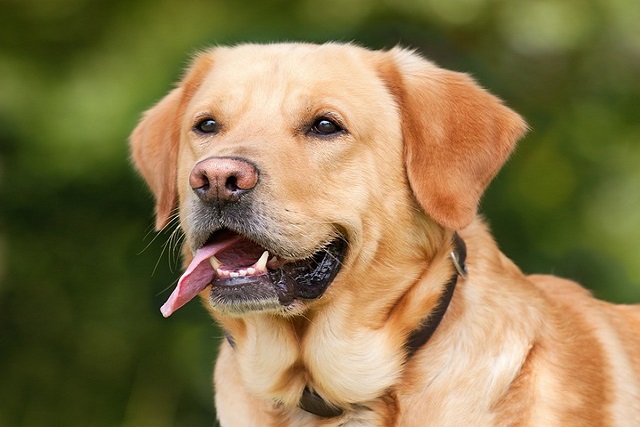
Let’s set the scene: It’s a sweltering Phoenix afternoon—105°F outside—and you rushed your 2-year-old Lab mix, Cooper, on a quick walk to “get it over with.”

Let’s get real: You’re in your Miami apartment, watching your 3-year-old Corgi, Loki, struggle to climb the stairs to your second-floor unit.

Many dog owners brush off occasional scratching as just “dog behavior,” but persistent itching often signals something more—like a food allergy.

You might first notice your dog scratching more than usual—chewing at their paws until the fur looks thin, or rubbing their face against the couch nonstop.

Let’s be real: You’re standing in your Chicago apartment, watching your 3-year-old Beagle, Max, huff and puff just to climb onto the couch.