
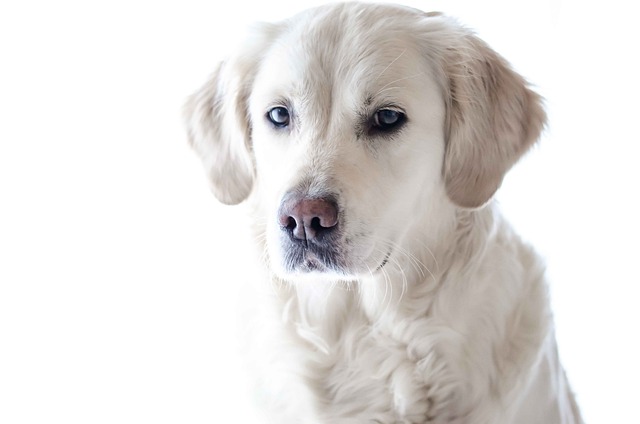
How can I tell if my dog's heatstroke is serious
Let’s be real: It’s a sticky August morning in Los Angeles, and you took your 2-year-old Golden Retriever, Max, for a walk a little later than usual
If you’ve hovered over your dog’s food bowl after mixing in a probiotic, wondering when their runny stools will finally firm up, you’re in the same boat as most first-time U.S. dog owners. When my 10-month-old rescue pup, Leo, got diarrhea from eating too many table scraps at a family cookout, I started him on a vet-recommended probiotic and spent the next 48 hours stressing over every trip to the backyard. The truth? Probiotics don’t work overnight—but understanding their timeline and what speeds them up makes all the difference.
Probiotics work by replenishing the “good” bacteria in your dog’s gut, which gets thrown off by diarrhea from diet changes, stress, or mild infections. Unlike quick-fix meds that just stop symptoms, they fix the root cause by crowding out harmful microbes and restoring digestive balance. How fast they work depends on three things: the diarrhea’s severity, the probiotic’s quality (look for strains like Lactobacillus acidophilus), and your dog’s gut health. Leo’s case was mild—his diarrhea cleared faster than a dog with stress-induced or infection-related issues, where probiotics need more time to rebuild the gut barrier.
For mild diarrhea (like Leo’s), you’ll likely see small improvements in 24 to 36 hours: stools may lose that watery consistency, or your pup will have fewer accidents. Full recovery usually takes 3 to 5 days, but only if you’re consistent. Give the probiotic at the same time daily—mix powder into wet food or use chewable tablets if your dog hates liquids. Pair it with a bland diet (boiled chicken and white rice) to take pressure off their gut; avoid treats or new foods. For apartment dwellers, keep a puppy pad near the door for emergencies, but praise your dog heavily for using the outdoors—positive reinforcement keeps them motivated. Set phone alarms to stick to feeding and probiotic times; routine helps their gut regulate faster.

Never scold your dog for diarrhea accidents—this violates U.S. animal welfare standards and makes them anxious, which worsens gut issues. If there’s no improvement after 48 hours, or if stool has blood, your dog is lethargic, or they’re vomiting, call the vet immediately—these could signal parasites or parvovirus, which probiotics can’t treat. Stay compliant with local laws: Keep their rabies vaccine current (required nationwide) and carry waste bags on walks—cities like Denver fine up to $100 for not cleaning up. When walking, avoid areas with standing water (a source of gut irritants) and use a calm tone to keep your pup relaxed.
Probiotics take patience, but they’re worth it for gentle, long-lasting relief. With consistency, a bland diet, and knowing when to ask for help, your dog’s gut will bounce back—and those messy backyard trips will be a distant memory.
Let’s be real: It’s a sticky August morning in Los Angeles, and you took your 2-year-old Golden Retriever, Max, for a walk a little later than usual
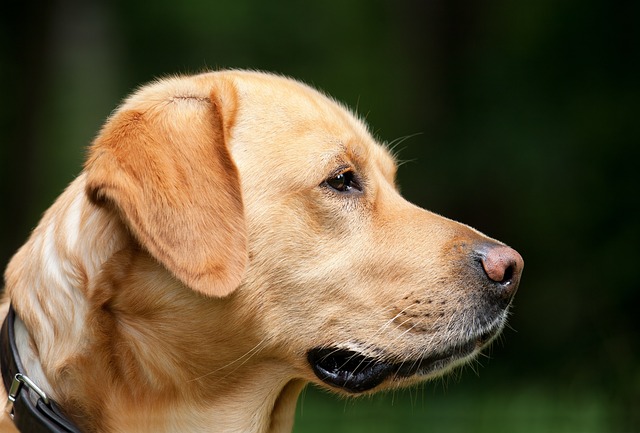
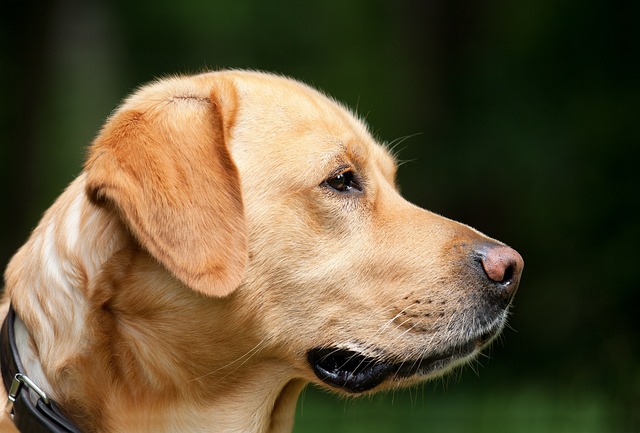
You're enjoying a summer afternoon at the park when you notice your dog has stopped panting and appears disoriented - their gums are bright red
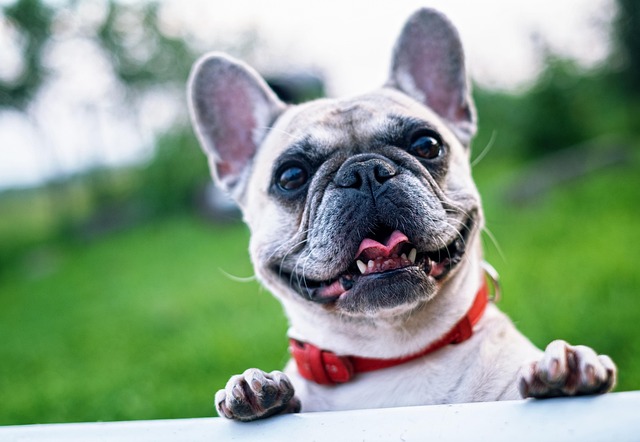
Let’s paint the picture: You’re in your Denver apartment, watching your 4-year-old Boston Terrier, Ruby, plop down mid-play session with her favorite toy

Many dog owners notice their pets nails seem shorter after regular walks,but how much does this daily activity actually help?The answer depends on where you walk—concrete sidewalks or asphalt streets gently file nails as a dog's paws hit the ground
Most dog owners notice their pup scooting across the carpet at some point, but few connect it to impacted anal glands. These small sacs near a dog’s rectum secrete a scent for marking territory
Most vets agree that regular dog teeth cleaning is key to avoiding painful dental issues later. For healthy adult dogs, a professional cleaning at the vet’s office every 12 to 18 months usually works well.