
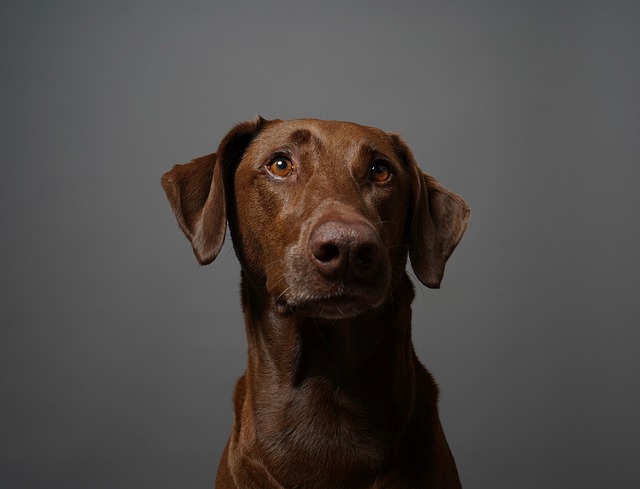
What is glaucoma in a dog?
You might notice your dog squinting more at mealtime or avoiding bright sunlight—these small changes could be early signs of a serious eye condition.
How hot is too hot to walk a puppy? If you’re a new puppy parent in places like Florida or Texas, this question probably crosses your mind every time you lace up your shoes, watching your wiggly fur ball bounce at the door. Puppies are bundles of energy, but their tiny bodies handle heat far less efficiently than adult dogs – and knowing when to skip the walk could save them from discomfort or worse. Let’s break down how to keep your young pup safe and cool during summer adventures.
First, let’s understand why puppies are extra vulnerable. Unlike adult dogs, whose bodies have developed better heat regulation, puppies’ thermoregulatory systems are still maturing. They pant less effectively, store heat more easily, and their small paws have softer, more sensitive pads that burn quickly on hot pavement. My friend in Phoenix learned this with her 12-week-old Lab puppy, Daisy, who yelped and lifted her paws during a mid-morning walk. Now she checks the pavement first, and Daisy trots happily without pain. Brachycephalic puppies (like French Bulldog or Pug pups) face even higher risks – their short snouts make panting less effective, so they overheat faster than longer-nosed breeds.
Timing is your best tool. Skip walks entirely between 10 a.m. and 4 p.m. when the sun is strongest – the air and pavement reach dangerous temperatures even on “mild” 80°F days. Instead, head out early (before 7 a.m.) or late (after 7 p.m.) when the sun dips. Use the “5-second rule” to test pavement: place the back of your hand on the sidewalk. If you can’t hold it there comfortably for 5 seconds, it’s too hot for their paws. In my Texas neighborhood, I walk my neighbor’s Goldendoodle puppy, Max, at 6 a.m. – the air is cool, the pavement is gentle, and he burns energy without stress. Keep walks short too – 10-15 minutes tops for puppies under 6 months, with plenty of shade breaks.
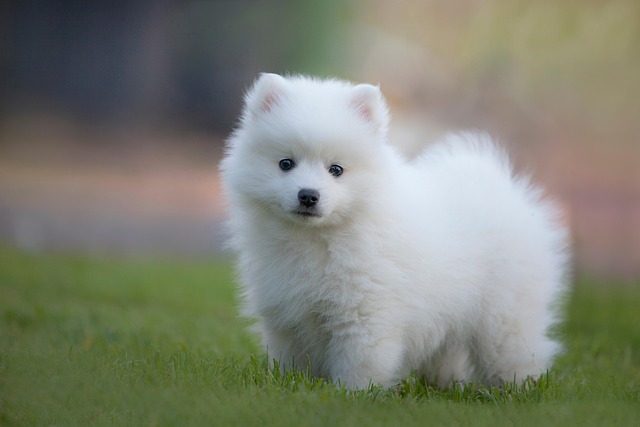
Pack smart for every walk. Bring a collapsible water bowl and small water bottle – offer sips every 5 minutes, even if they don’t seem thirsty. A lightweight cooling bandana (soaked in cold water before leaving) can help keep their neck cool – Max’s breeder recommended this, and he stays calmer during walks. Watch for signs of overheating: excessive panting, slowing down, or seeking shade. If you notice these, head home immediately – better to cut the walk short than risk overheating.
Now, let’s cover the must-know rules for responsible puppy parenting. Rabies vaccines aren’t optional – every U.S. state requires them, and most dog parks (like those in Miami) ask for proof of vaccinations before entry. Always carry extra biodegradable poop bags – fines for leaving messes start at $50 in most cities, and it’s basic community courtesy. If your puppy gets restless from shorter walks, use positive reinforcement instead of scolding: play indoor games like “find the treat” with kibble hidden around the living room. Punishment only scares them, while rewards teach calm behavior is fun.
Apartment dwellers, note this: On too-hot days, replace walks with quiet indoor play – a soft tug toy or puzzle feeder keeps their mind busy without disturbing neighbors. Avoid roughhousing during naptime hours, and never leave your puppy in a parked car, even for a minute – temperatures spike deadly fast, even with windows cracked.
With a little planning, summer walks can stay joyful for both you and your puppy. By watching the heat, protecting their paws, and keeping sessions short, you’ll help them grow into a confident, heat-smart adult dog.
You might notice your dog squinting more at mealtime or avoiding bright sunlight—these small changes could be early signs of a serious eye condition.
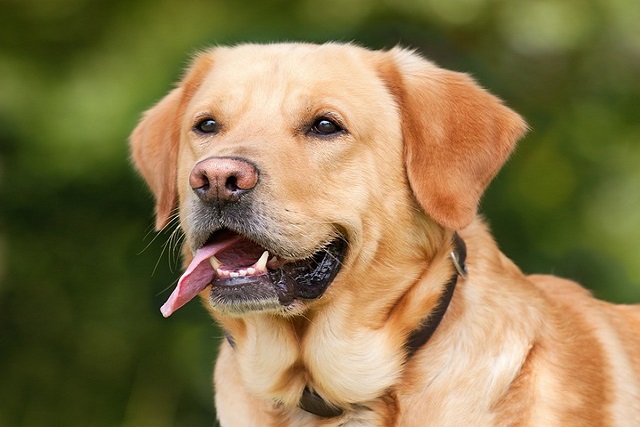
Let’s set the scene: It’s a sweltering Phoenix afternoon—105°F outside—and you rushed your 2-year-old Lab mix, Cooper, on a quick walk to “get it over with.”
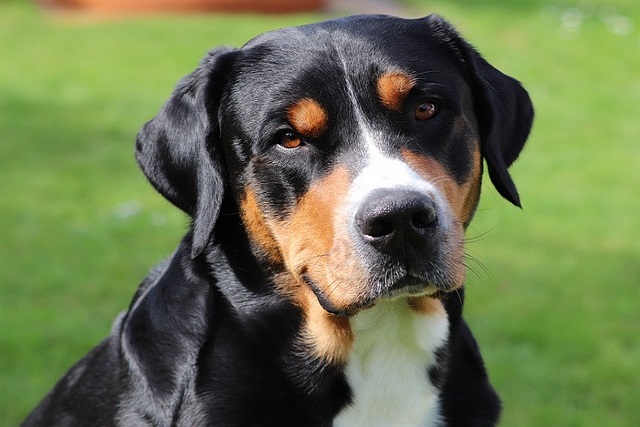
Let’s get real: You’re in your Miami apartment, watching your 3-year-old Corgi, Loki, struggle to climb the stairs to your second-floor unit.
Many dog owners brush off occasional scratching as just “dog behavior,” but persistent itching often signals something more—like a food allergy.
You might first notice your dog scratching more than usual—chewing at their paws until the fur looks thin, or rubbing their face against the couch nonstop.
Let’s be real: You’re standing in your Chicago apartment, watching your 3-year-old Beagle, Max, huff and puff just to climb onto the couch.