
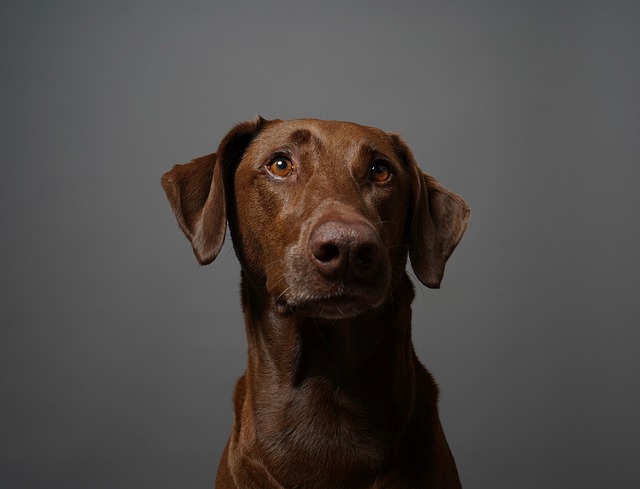
What is glaucoma in a dog?
You might notice your dog squinting more at mealtime or avoiding bright sunlight—these small changes could be early signs of a serious eye condition.
Imagine this: It’s 88°F in Dallas, and you’re debating whether to take your beagle, Charlie, for his afternoon stroll. He’s whining at the door, but the sidewalk shimmers like a frying pan. Here’s the hard truth – air temperature lies. Asphalt soaks up heat like a sponge, hitting 143°F on an 88°F day. That’s steak-searing territory. Dogs’ paws burn at 125°F, and unlike us, they can’t sweat through skin. Their only cooling tool is panting, which fails when ground heat radiates upward. Once pavement exceeds their body temp (101-102°F), walks turn dangerous.
Test like a pro. Press your palm firmly on asphalt for 7 full seconds. If it stings, it’s scorching Charlie’s paws. In Miami, emergency vets treat blistered pads daily in summer. Time walks for "paw-safe windows": before 8 AM or after 8 PM in dry climates. Humidity changes everything though – 85°F with 70% humidity in New Orleans feels like 97°F to dogs. Brachycephalic breeds like bulldogs overheat 50% faster due to squished airways. If Charlie’s panting sounds harsh or he drags behind, retreat immediately. Forcing him could violate animal cruelty statutes in places like California – fines start at $500.
Cultural landmines exist. Never jerk the leash or shout if Charlie plants his paws. Heat distress isn’t stubbornness; it’s survival mode. Instead, lure him to shade with treats and offer sips from your collapsible bowl. Positive reinforcement keeps trust intact. Punishment? That’s how you create a fearful dog.

Apartment dwellers, pivot creatively. Above 90°F, swap walks for indoor "sniff safaris": Hide turkey bits in muffin tins covered with tennis balls. Use pee pads only on shaded balconies – sun-baked plastic releases toxins. Stifle boredom barking with frozen lick mats; remember, Boston apartments can levy $200 noise fines.
Now, community essentials. Those poop bag dispensers in Chicago parks aren’t decorations. Skip scooping? That’s a $375 ticket. Leash laws aren’t waived for heat – an overheated off-leash Lab in Central Park might snap at a child. And yes, rabies tags must be current. Tennessee just raised fines to $2,000 for unvaccinated dogs in public spaces.
Spot crisis early. If Charlie’s gums turn brick-red or he vomits thick saliva, it’s heatstroke. Drench his paw pads and belly with room-temperature water – never ice – then race to the nearest ER vet. This overrides all etiquette rules.
Ultimately, "too hot" is science, not guesswork. When pavement hits 125°F (easily measured with infrared thermometers), paws burn in 60 seconds. Your vigilance isn’t paranoid – it’s how modern, compassionate dog ownership works in 2024. Charlie’s wagging tail tomorrow is worth skipping today’s walk.
You might notice your dog squinting more at mealtime or avoiding bright sunlight—these small changes could be early signs of a serious eye condition.

Let’s set the scene: It’s a sweltering Phoenix afternoon—105°F outside—and you rushed your 2-year-old Lab mix, Cooper, on a quick walk to “get it over with.”

Let’s get real: You’re in your Miami apartment, watching your 3-year-old Corgi, Loki, struggle to climb the stairs to your second-floor unit.
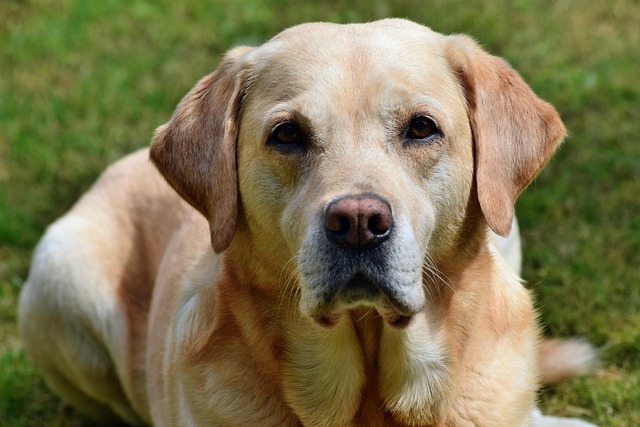
Many dog owners brush off occasional scratching as just “dog behavior,” but persistent itching often signals something more—like a food allergy.

You might first notice your dog scratching more than usual—chewing at their paws until the fur looks thin, or rubbing their face against the couch nonstop.

Let’s be real: You’re standing in your Chicago apartment, watching your 3-year-old Beagle, Max, huff and puff just to climb onto the couch.