
What is glaucoma in a dog?
You might notice your dog squinting more at mealtime or avoiding bright sunlight—these small changes could be early signs of a serious eye condition.
When your dog is diagnosed with liver disease, that question—how long?—probably hits you harder than the diagnosis itself. It’s not just a number; it’s about the days you’ll get to throw their favorite ball, the evenings they’ll curl up at your feet, the moments that make them yours. The truth is, there’s no one-size-fits-all answer, but understanding what shapes their timeline can help you make the most of every day.
Much of it comes down to when the disease is caught. Liver disease in dogs can creep in quietly, with symptoms like tiredness or a finicky appetite that might feel easy to brush off. But the earlier your vet spots it, the more options you have. Acute cases—sudden, often from things like toxic snacks or infections—can sometimes turn around quickly with aggressive treatment. Get them to the clinic fast, follow the medication plan, and you might be looking at a full recovery. Chronic cases, though, are trickier. Conditions like cirrhosis or ongoing inflammation take time to develop, and while they can’t be cured, they can be managed. Many dogs with chronic liver disease live months or even years with the right care.
 Treatment matters just as much as timing. Your vet might suggest a special diet—low in copper, high in quality protein—to take pressure off the liver. There are medications to reduce inflammation or help the liver process toxins, and in some cases, supplements like milk thistle can support its function. Sticking to these plans isn’t always easy—anyone who’s tried hiding a pill in peanut butter knows that—but consistency pays off. And don’t forget: regular check-ups aren’t just good practice; they’re often part of keeping up with local pet health regulations, ensuring your dog gets the monitoring they need to stay stable.
Your role as their caretaker is bigger than you think. Those little daily efforts—keeping their water bowl full, avoiding table scraps that could harm their liver, noticing when they’re less playful—add up. Dogs are masters at hiding discomfort, so your ability to spot small changes—like a sudden disinterest in walks or a warmer-than-usual nose—can make a huge difference in how their condition progresses.
It’s also important to manage expectations. Some dogs respond amazingly well to treatment, bouncing back to their old selves and living long, happy lives. Others might have more ups and downs, requiring adjustments to their care plan along the way. What matters most is that you’re there, advocating for them, and working closely with a vet who knows their history. That partnership—between you, your dog, and your clinic—is one of the strongest tools you have.
No one wants to think about limits, but knowing what to expect can help you cherish each moment. Whether it’s a few extra months or several more years, every day with your dog is a gift. Focus on the good: the way they lean into your hand when you pet them, the sound of their tail thumping against the floor at mealtime, the quiet trust in their eyes when they look at you. That’s what makes it all worth it.
You might notice your dog squinting more at mealtime or avoiding bright sunlight—these small changes could be early signs of a serious eye condition.
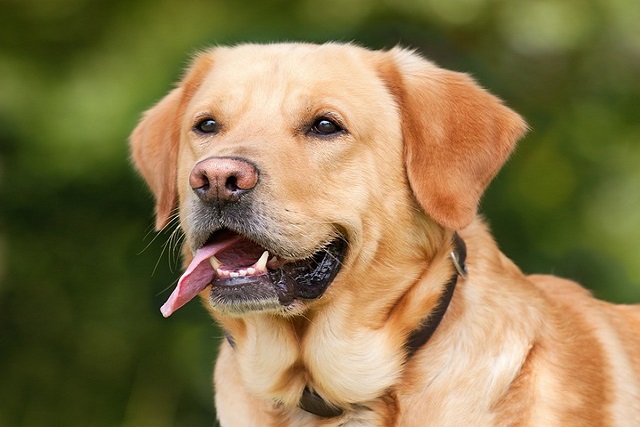
Let’s set the scene: It’s a sweltering Phoenix afternoon—105°F outside—and you rushed your 2-year-old Lab mix, Cooper, on a quick walk to “get it over with.”

Let’s get real: You’re in your Miami apartment, watching your 3-year-old Corgi, Loki, struggle to climb the stairs to your second-floor unit.
Many dog owners brush off occasional scratching as just “dog behavior,” but persistent itching often signals something more—like a food allergy.

You might first notice your dog scratching more than usual—chewing at their paws until the fur looks thin, or rubbing their face against the couch nonstop.

Let’s be real: You’re standing in your Chicago apartment, watching your 3-year-old Beagle, Max, huff and puff just to climb onto the couch.