
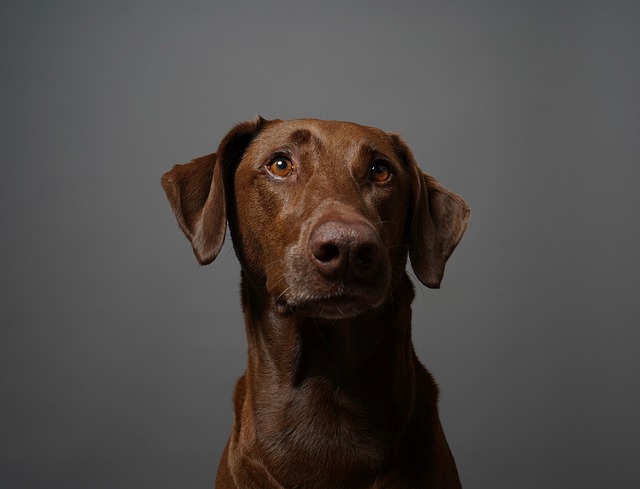
What is glaucoma in a dog?
You might notice your dog squinting more at mealtime or avoiding bright sunlight—these small changes could be early signs of a serious eye condition.
If you’ve just brought home a fluffy new puppy or adopted an adult dog, one of the first questions that might pop up is about keeping them healthy—specifically, how long their shots, like the canine influenza vaccine, actually protect them. It’s not just about avoiding a sick pup; staying on top of vaccines also ties into being a responsible neighbor, especially in busy areas where dogs meet at parks or doggy daycares.
To break it down simply, the canine influenza vaccine doesn’t last forever, and the timeline depends on a few key things. Puppies usually get their first dose around 6 to 8 weeks old, then a booster 2 to 4 weeks later to build up strong immunity. After that, most adult dogs need a booster every 6 to 12 months. Why the range? It often comes down to your dog’s lifestyle—if they’re around lots of other dogs (think dog parks, groomers, or boarding facilities), your vet might suggest yearly boosters to keep protection sharp.
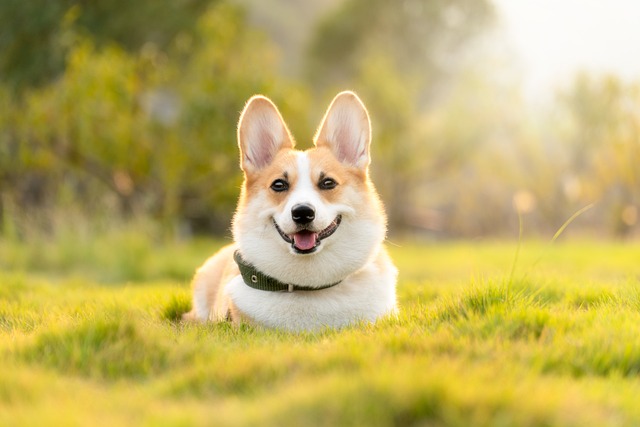 Following this schedule isn’t just a good idea—it’s often part of local rules too. Many cities require proof of core vaccines (and sometimes non-core ones like canine influenza, depending on outbreaks) to keep public spaces safe for both dogs and people. And let’s not forget the little things: picking up after your dog during walks, keeping them on a leash in busy areas—these small steps go hand in hand with vaccines to keep your community happy.
Training plays a role here too, especially when it comes to vet visits. Positive reinforcement—like bringing their favorite treat to the clinic—helps them feel calm instead of scared. Never use punishment; it only makes future trips harder and can strain your bond. A relaxed dog is also easier for the vet to examine, so they can give the best advice on when to schedule that next canine influenza booster.
The best way to know exactly when your dog needs their next canine influenza vaccine is to talk to your vet. They’ll tailor the schedule to your dog’s age, health, and lifestyle, making sure they stay protected without missing a beat. Keeping up with vaccines isn’t just about checking a box—it’s one of the most loving ways to keep your furry friend by your side for years to come.
You might notice your dog squinting more at mealtime or avoiding bright sunlight—these small changes could be early signs of a serious eye condition.
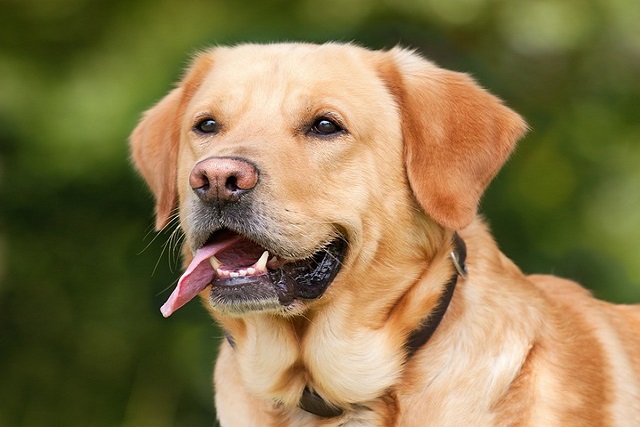
Let’s set the scene: It’s a sweltering Phoenix afternoon—105°F outside—and you rushed your 2-year-old Lab mix, Cooper, on a quick walk to “get it over with.”
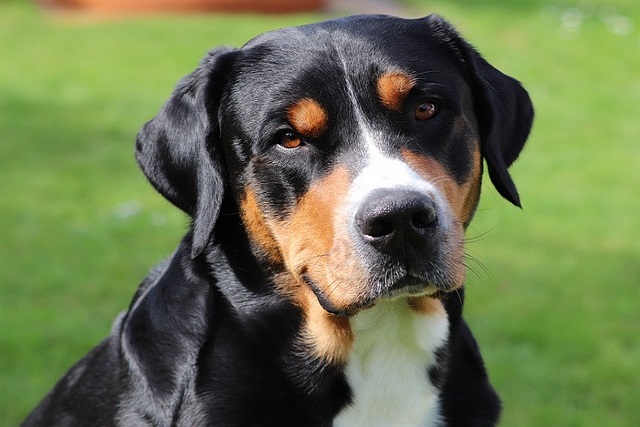
Let’s get real: You’re in your Miami apartment, watching your 3-year-old Corgi, Loki, struggle to climb the stairs to your second-floor unit.
Many dog owners brush off occasional scratching as just “dog behavior,” but persistent itching often signals something more—like a food allergy.
You might first notice your dog scratching more than usual—chewing at their paws until the fur looks thin, or rubbing their face against the couch nonstop.
Let’s be real: You’re standing in your Chicago apartment, watching your 3-year-old Beagle, Max, huff and puff just to climb onto the couch.