
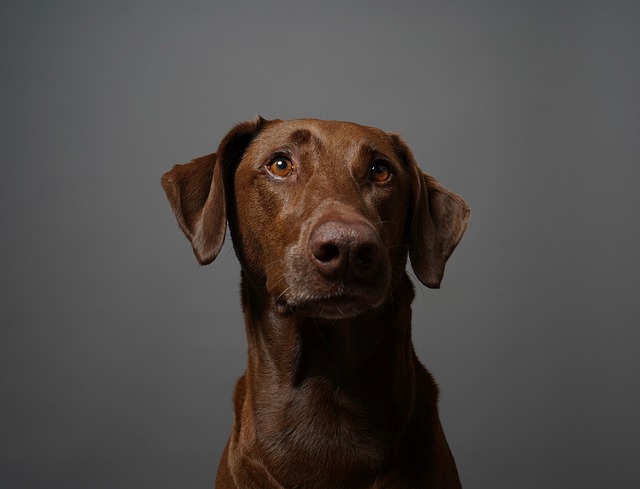
What is glaucoma in a dog?
You might notice your dog squinting more at mealtime or avoiding bright sunlight—these small changes could be early signs of a serious eye condition.
Dogs are the warmest companions in our lives, and every move they make tugs at our hearts. When a dog suffers from esophagitis and we see it having difficulty swallowing and losing its appetite, the owner's heart is filled with distress and anxiety. Esophagitis not only causes physical pain to the dog but also makes the owner worried. Everyone is eager to know how long it will take for a dog's esophagitis to heal. This is not only related to the dog's health but also to every owner's deep love for their furry friend.
Esophagitis refers to the inflammation of the esophageal mucosa in dogs and can be caused by various reasons. Ingestion of sharp foreign bodies is one of the common causes. Dogs are curious and like to explore the world with their mouths. They are very likely to accidentally swallow sharp objects such as fish bones, bone fragments, and toy parts. When these foreign bodies pass through the esophagus, they can scratch the esophageal mucosa and cause inflammation. Imagine a dog accidentally swallowing a sharp fish bone that cuts the esophagus, causing the esophageal mucosa to be damaged and swollen. Every swallow is like rubbing salt in the wound. How uncomfortable the dog must be.
The ingestion of corrosive substances is also an important factor leading to esophagitis. Dogs may accidentally ingest corrosive substances such as cleaning agents, disinfectants, and battery fluid, which can directly burn the esophageal mucosa and cause serious damage. For example, if the owner accidentally leaves the cleaning agent within the dog's reach and the dog licks it out of curiosity, it may cause esophageal burns and then lead to esophagitis.
In addition, gastric acid reflux can also cause esophagitis. When the lower esophageal sphincter of the dog is dysfunctional, gastric acid will reflux into the esophagus and irritate the esophageal mucosa. Long-term gastric acid irritation can cause inflammation and ulcers in the esophageal mucosa, affecting the dog's normal swallowing and digestive functions. Some dogs may secrete too much gastric acid and increase the risk of gastric acid reflux due to irregular eating, overeating, or eating indigestible food.
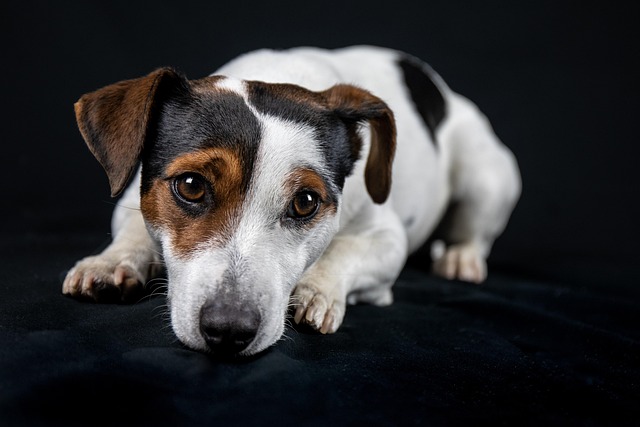
After a dog gets esophagitis, it will show a series of obvious symptoms. Difficulty swallowing is one of the main manifestations. The dog will appear extremely painful when eating, often trying to swallow but quickly spitting out the food, and may even refuse to eat because of the pain. They may also drool, because the pain in the esophagus stimulates increased saliva secretion, and at the same time, the dog has difficulty swallowing the saliva normally. Some dogs will cough frequently, which is caused by the esophageal inflammation irritating the respiratory tract and causing a reflex cough. If the esophagitis is more severe, the dog may also have systemic symptoms such as lethargy and weight loss. The originally lively and lovely dog becomes listless, which is distressing to see.
So, how long does it take for a dog's esophagitis to heal? There is no fixed answer to this question, and the recovery time is affected by many factors. First of all, the severity of esophagitis is a key factor. For mild esophagitis, such as a slight abrasion or inflammation of the esophageal mucosa, it usually takes 1 - 2 weeks to recover with timely treatment and proper care. As long as the owner feeds the dog easily digestible food according to the veterinarian's advice, avoids irritating food, and uses some drugs to promote the repair of the esophageal mucosa, the dog can quickly return to health.
However, for moderate or severe esophagitis, the recovery time will be relatively longer. Moderate esophagitis may be accompanied by ulcers in the esophageal mucosa and may take 3 - 6 weeks or even longer to heal completely. During this period, in addition to drug treatment, diet management is also crucial. The owner needs to provide the dog with a nutritionally balanced, soft liquid or semi-liquid diet to reduce the burden on the esophagus and promote wound healing. Severe esophagitis can lead to serious complications such as esophageal stenosis and perforation. The treatment process will be more complicated, and the recovery time may be as long as several months or even require surgical intervention.
The choice of treatment method will also affect the recovery time. Drug treatment is a common method, including the use of antibiotics to prevent infection, antacids to reduce gastric acid secretion, and mucosal protectants to promote the repair of the esophageal mucosa. If the treatment method is appropriate, the dog's symptoms will be effectively relieved, and the recovery time will be correspondingly shortened. On the contrary, if the treatment is not timely or the method is inappropriate, it may lead to prolonged illness and increase the difficulty of treatment and recovery time.
The dog's own physical condition also plays an important role in the recovery. Dogs that are in good health and have strong immunity have relatively strong recovery ability after suffering from esophagitis, and the recovery time may be shorter. However, elderly and weak dogs or those with other chronic diseases may have a more difficult recovery process and take longer because of their weak physical resistance.
During the treatment of a dog's esophagitis, the owner's careful care is of great importance. Provide the dog with a quiet, warm, and comfortable resting environment so that it can recover from illness at ease. Feed and medicate the dog strictly according to the veterinarian's instructions and pay attention to observing the dog's condition. If you find that the dog's symptoms have not improved or new symptoms such as fever and aggravated vomiting occur, take the dog to see a veterinarian in time.
Dogs are our most loyal partners. When they suffer from esophagitis, we should give them enough love and patience. Although the recovery time of esophagitis varies from dog to dog, as long as we actively cooperate with the veterinarian's treatment and take good care of them, the dogs will surely overcome the disease and regain their former vitality. Let's cheer for the dogs' health and accompany them through this difficult time, because their happiness is our greatest joy.
You might notice your dog squinting more at mealtime or avoiding bright sunlight—these small changes could be early signs of a serious eye condition.
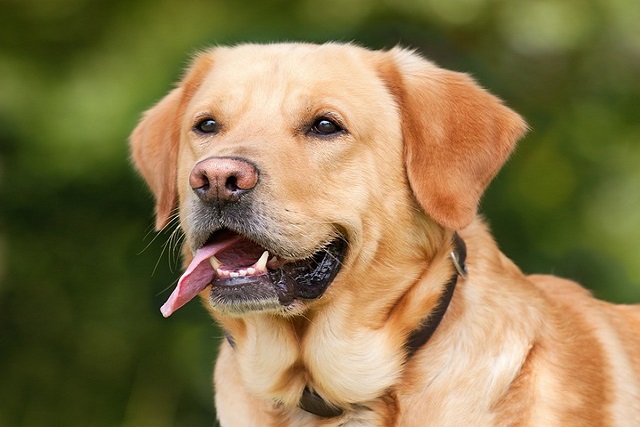
Let’s set the scene: It’s a sweltering Phoenix afternoon—105°F outside—and you rushed your 2-year-old Lab mix, Cooper, on a quick walk to “get it over with.”
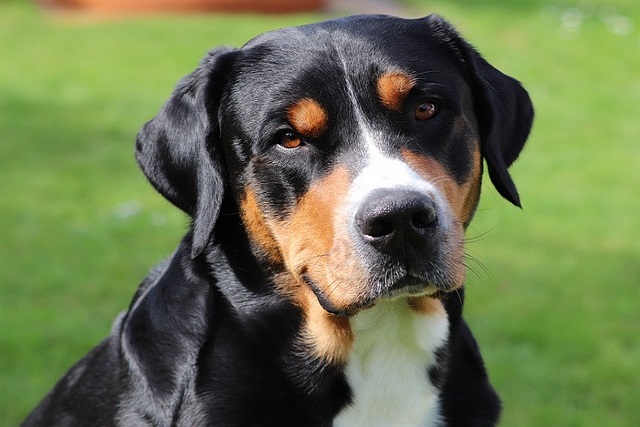
Let’s get real: You’re in your Miami apartment, watching your 3-year-old Corgi, Loki, struggle to climb the stairs to your second-floor unit.
Many dog owners brush off occasional scratching as just “dog behavior,” but persistent itching often signals something more—like a food allergy.
You might first notice your dog scratching more than usual—chewing at their paws until the fur looks thin, or rubbing their face against the couch nonstop.
Let’s be real: You’re standing in your Chicago apartment, watching your 3-year-old Beagle, Max, huff and puff just to climb onto the couch.