
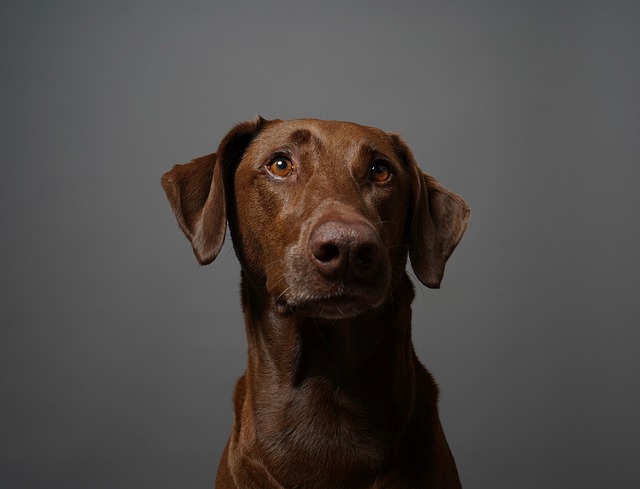
What is glaucoma in a dog?
You might notice your dog squinting more at mealtime or avoiding bright sunlight—these small changes could be early signs of a serious eye condition.
Many dog owners first notice something’s off when their pup squints excessively or avoids bright light—signs that the cornea might be injured. The question of how long recovery takes rarely has a one-size-fits-all answer, as it depends heavily on the injury’s severity and how quickly you act. A minor scratch, for example, might start healing in just a few days with proper care, but deeper damage could take weeks and require intensive treatment.
Shallow corneal abrasions often heal within 3 to 7 days if your vet prescribes the right ointment and you prevent your dog from rubbing the eye. Deeper ulcers, though, can take 2 to 4 weeks, and some may even need surgical intervention like a graft. Your vet will use tools like a fluorescein stain to check the injury’s depth—this step is non-negotiable, as missing a severe case can lead to vision loss.
In places like California or parts of the EU, neglecting a dog’s eye injury can run afoul of animal welfare laws. Most regions require owners to provide timely veterinary care for painful conditions, and failing to do so could result in fines or even legal action. Keep copies of your vet visits too—some cities mandate records for pet health checks, especially if your dog interacts with other animals.
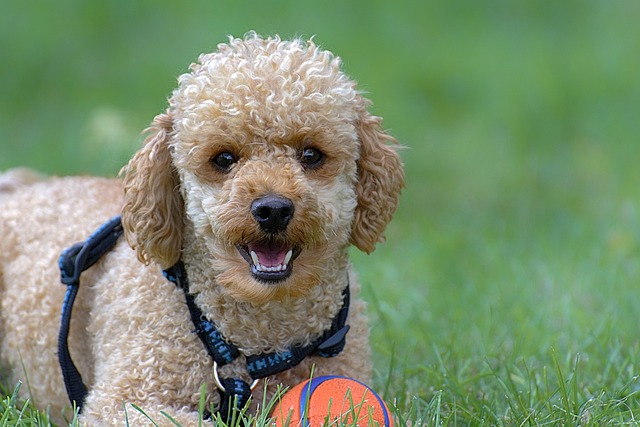
Daily care plays a huge role in speeding up healing. You’ll likely need to use an Elizabethan collar to stop your dog from scratching, which is harder than it sounds—many pups try to rub their faces on carpets or furniture. Avoid over-the-counter human eye drops too; ingredients like ketotifen can irritate a dog’s cornea and delay recovery, which violates best practices outlined in most U.S. and European pet care guidelines.
Pay attention to your dog’s behavior during recovery. If they stop eating, hide more than usual, or their eye swells up, it could mean the injury is worsening. These are red flags to head back to the vet immediately—waiting even a day can turn a treatable issue into a chronic one. Remember, dogs can’t tell you when something hurts, so your observation skills are key to their recovery.
Understanding your dog’s cornea healing timeline isn’t just about comfort—it’s about keeping both your pup healthy and staying compliant with local laws. By acting fast, following your vet’s orders, and monitoring their behavior closely, you’ll give your dog the best chance to heal fully, usually without long-term vision problems. Always prioritize professional care over home remedies—your dog’s eyesight depends on it.
You might notice your dog squinting more at mealtime or avoiding bright sunlight—these small changes could be early signs of a serious eye condition.
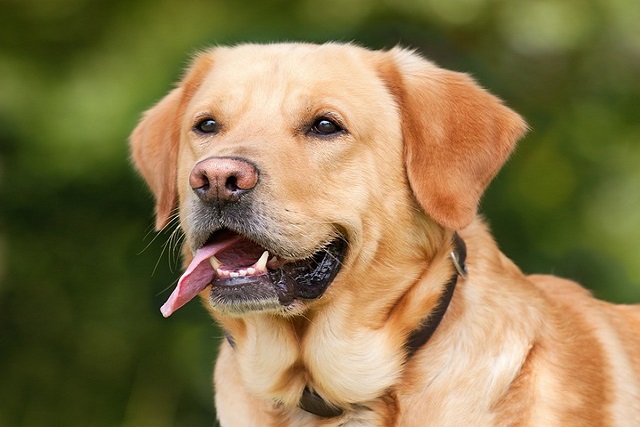
Let’s set the scene: It’s a sweltering Phoenix afternoon—105°F outside—and you rushed your 2-year-old Lab mix, Cooper, on a quick walk to “get it over with.”
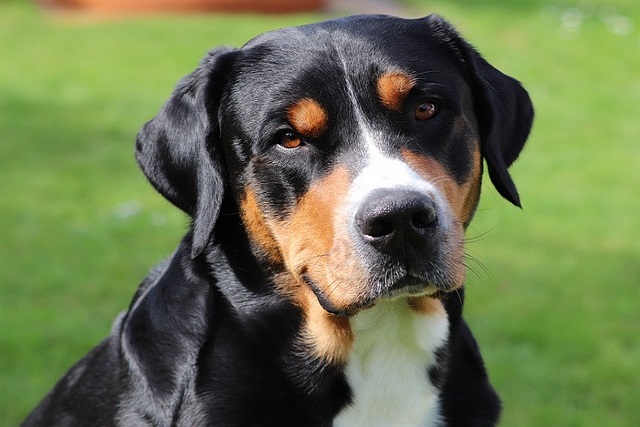
Let’s get real: You’re in your Miami apartment, watching your 3-year-old Corgi, Loki, struggle to climb the stairs to your second-floor unit.
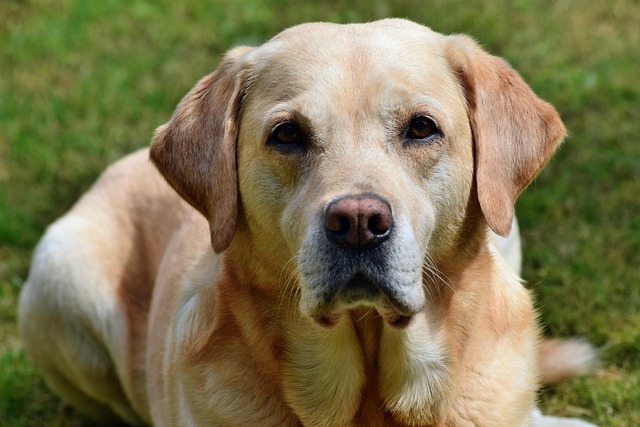
Many dog owners brush off occasional scratching as just “dog behavior,” but persistent itching often signals something more—like a food allergy.
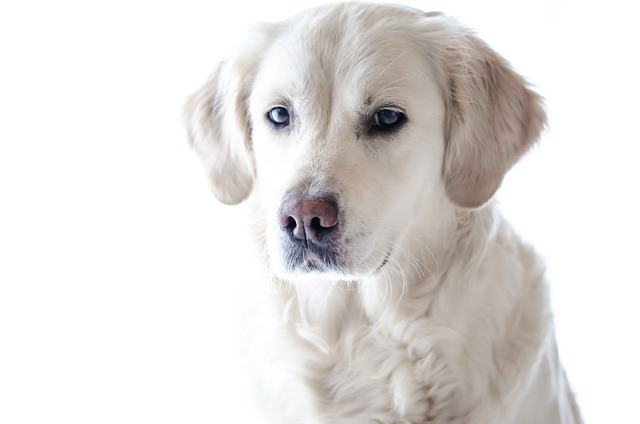
You might first notice your dog scratching more than usual—chewing at their paws until the fur looks thin, or rubbing their face against the couch nonstop.
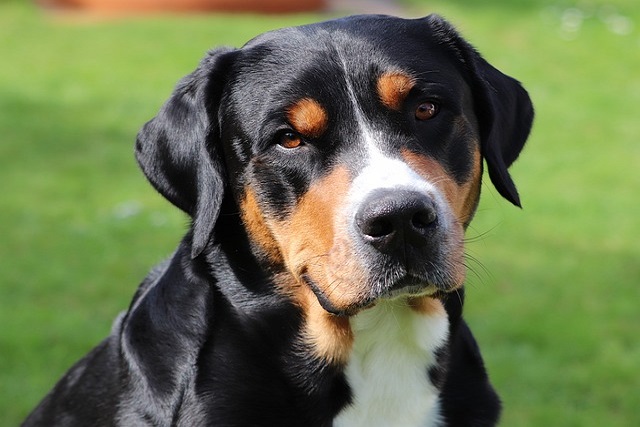
Let’s be real: You’re standing in your Chicago apartment, watching your 3-year-old Beagle, Max, huff and puff just to climb onto the couch.