
What is glaucoma in a dog?
You might notice your dog squinting more at mealtime or avoiding bright sunlight—these small changes could be early signs of a serious eye condition.
Watching your pup limp after a rough play session or a sudden twist can make any dog owner’s heart sink. Soft tissue injuries—like sprains in the leg, strains in the shoulder, or bruising from a fall—are common, especially in active breeds. But the big question always lingers: when will they be back to chasing squirrels or bounding up the stairs like before?
The truth is, there’s no one-size-fits-all answer. A minor strain from jumping off the couch might heal in a week or two, while a more serious tear—say, in the knee or elbow—could take months. It depends on how bad the damage is, where it is, and your dog’s overall health. Younger dogs with strong muscles often bounce back faster than senior pups, but even then, rushing recovery can make things worse. That’s why the first step is always a trip to the vet—they’ll check for swelling, test mobility, and maybe do an X-ray to rule out fractures, ensuring you’re not missing something that needs extra care.
Your vet’s plan will shape the timeline more than anything. Maybe they’ll suggest rest—keeping your dog from running or jumping—for the first couple of weeks. That can feel tough, especially if your pup is used to daily hikes, but letting those tissues heal without further strain is key. They might also recommend cold packs to reduce swelling in the first few days, then warm compresses to boost blood flow later. Some cases call for anti-inflammatory meds or physical therapy, like gentle stretches or underwater treadmills—all things that help speed healing when done right.
 Consistency matters just as much as the treatment itself. Skipping a day of limiting activity because your dog seems “fine” can set things back. Think of it like a sprained ankle—you wouldn’t run a marathon on it, and neither should they. Using a crate or a playpen during recovery can help, giving them a safe space to rest without temptation. It’s not about being mean; it’s about getting them back to their happy, active selves sooner.
Signs of progress are usually subtle at first. Maybe your dog puts a little more weight on the hurt leg during meals, or they stop favoring it when they lie down. These small wins mean the healing is working. But if you notice sudden swelling, more limping, or if they seem in pain when touched, don’t wait—call the vet. Catching setbacks early can keep them from turning into bigger problems.
Every dog handles recovery differently, too. Some pups take it in stride, napping more and accepting the slower pace. Others get restless, pacing or whining because they can’t burn off energy. That’s where mental stimulation helps—puzzle toys, short training sessions, or just extra cuddles. Keeping their mind busy makes the rest period easier for both of you.
At the end of the day, patience is your best tool. Recovery isn’t a race, and pushing too hard can lead to re-injury. Trust the process, follow your vet’s advice, and celebrate the small steps. Before you know it, you’ll be back to those morning walks, with your pup tugging at the leash like nothing ever happened. And that’s a moment worth waiting for.
You might notice your dog squinting more at mealtime or avoiding bright sunlight—these small changes could be early signs of a serious eye condition.
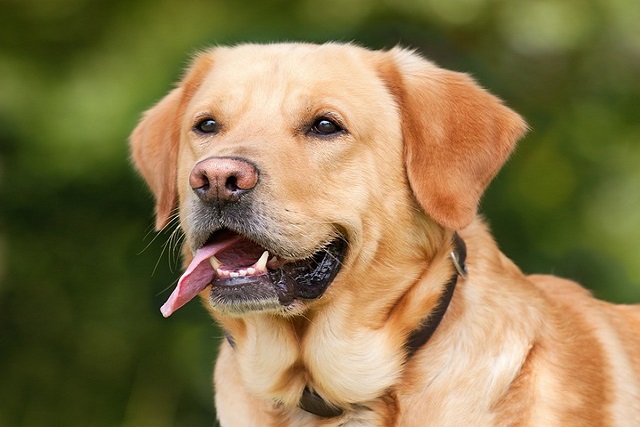
Let’s set the scene: It’s a sweltering Phoenix afternoon—105°F outside—and you rushed your 2-year-old Lab mix, Cooper, on a quick walk to “get it over with.”
Let’s get real: You’re in your Miami apartment, watching your 3-year-old Corgi, Loki, struggle to climb the stairs to your second-floor unit.
Many dog owners brush off occasional scratching as just “dog behavior,” but persistent itching often signals something more—like a food allergy.
You might first notice your dog scratching more than usual—chewing at their paws until the fur looks thin, or rubbing their face against the couch nonstop.
Let’s be real: You’re standing in your Chicago apartment, watching your 3-year-old Beagle, Max, huff and puff just to climb onto the couch.