

How do i train my dog to be obedient?
Watching your dog dart across the park ignoring your calls isn’t just frustrating—it can put them at risk near busy streets or public spaces.
Most chihuahua owners start wondering about potty training timelines the second they bring their tiny pup home—and the answer isn’t one-size-fits-all. On average, you’ll see consistent progress in 4 to 6 weeks, but some might nail it in 3 weeks, while others take 8 or more. It all depends on your consistency, their age, and how well you sync with their tiny, busy schedule. Remember, these little dogs have small bladders, so frequent trips outside (or to their designated potty spot) are non-negotiable—skipping those can stretch out the process.
You’ll also want to factor in local rules when setting up your routine. Many areas require dogs to be on leashes even in your front yard during potty breaks, and some have strict rules about cleaning up waste right away. Ignoring these not only risks fines but also teaches your chihuahua mixed signals—they need to learn that potty time is a structured, responsible activity, not a free-for-all. Keeping a log of their meals, naps, and potty trips helps too; it lets you spot patterns and stay ahead of accidents.
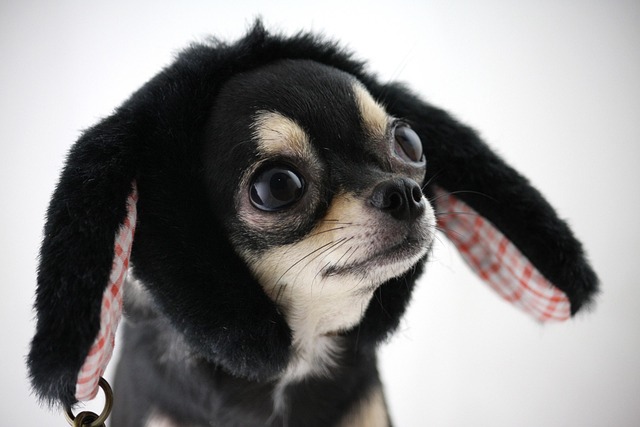 Patience is your best tool here—chihuahuas are smart, but they’re also sensitive. Yelling or punishing them for accidents will only make them scared to go in front of you, which slows things down. Instead, celebrate the small wins: a tiny pee in the right spot deserves a tiny treat and lots of excited praise. Their size means they might have more accidents than bigger breeds, but that just means you get more chances to reinforce good habits. If you’re renting, check your lease too—some places have rules about indoor potty pads, so picking the right setup keeps you compliant and your pup comfortable.
Consistency with cues matters, too. Pick one phrase—something simple like “go potty”—and use it every single time you take them out. They’ll start associating those words with the action, which cuts down on confusion. And don’t forget about their age: puppies under 6 months can’t hold it as long, so you’ll need more frequent trips, while adult chihuahuas might only need 3 or 4 a day. If you work long hours, a dog walker or automatic potty pad system can help keep the routine on track—just make sure whatever you use fits local guidelines for pet care.
By the time your chihuahua is reliably going in the right spot, you’ll both feel like a team—and that bond makes the wait worth it. Don’t stress if there’s a setback; just get back to your schedule, and they’ll follow. Remember, this isn’t just about training—it’s about building trust with your tiny companion, and that takes time. With the right mix of consistency, respect for local rules, and lots of love, you’ll have a potty-trained chihuahua who’s happy, healthy, and right at home in your life.
Watching your dog dart across the park ignoring your calls isn’t just frustrating—it can put them at risk near busy streets or public spaces.

New puppy owners often find themselves rushing to clean up accidents before they set in, and that’s where puppy pad training becomes a game-changer.

If you've noticed your dog's waistline disappearing and your veterinarian has mentioned those few extra pounds, your first instinct might be to simply reduce the amount of food in their bowl.

Training a dog to use a designated spot indoors isn’t as daunting as many new owners fear, but it does take consistency and an understanding of your pet’s needs.

That moment of dread on a walk is all too familiar for many new dog owners. You see another dog approaching down the sidewalk of your neighborhood
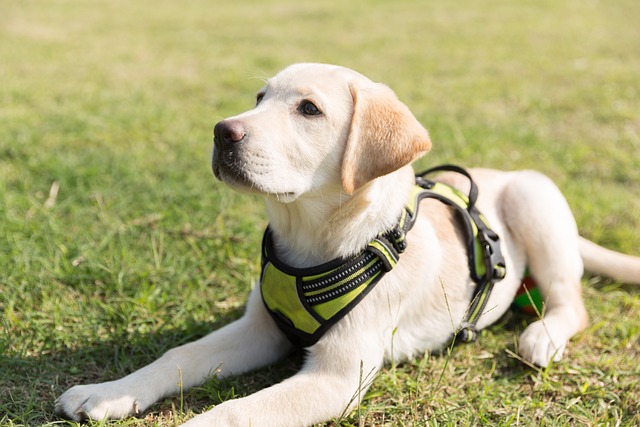
If the sight of another dog on your neighborhood walk makes your heart sink as your own dog erupts into a frenzy of barking and lunging, you're not alone.