

How do i train my dog to be obedient?
Watching your dog dart across the park ignoring your calls isn’t just frustrating—it can put them at risk near busy streets or public spaces.
As pet breeding becomes increasingly popular, kennels are an important living space for dogs. How to make them adapt to them quickly and safely is a topic of concern to many pet owners. However, when we ask "how long does it take to train a dog to adapt to a kennel", the answer is as diverse as the canine world, full of uncertainty and uniqueness. It is by no means a simple number that can be summarized, but a wonderful journey that is intertwined with scientific guidance and emotional connection.
Each dog is a unique individual. Their personality, past experiences, and breed characteristics are like different backgrounds, which paint different colors on the training process. Dogs with extroverted personalities and strong curiosity may regard kennels as a novel place to explore, and show a high degree of acceptance when they first come into contact; while those sensitive and insecure dogs may be afraid of the strange smell and closed space of the kennel, which may become the source of their fear, and they need more time and patience to resolve. For example, there was an abandoned stray dog who curled up in the corner and shivered when he first arrived at his new home and faced the kennel. He was full of vigilance. Its past experience of wandering has built a thick barrier deep in its heart, making it wary of any new environment, and the process of adapting to the kennel is naturally long and difficult. In contrast, dogs who have grown up in a stable and warm environment are often more likely to let down their guard and integrate into kennel life more quickly.
Breed characteristics also play an important role in the training process. Working dogs such as border collies, due to their high obedience and intelligence, can quickly understand the intentions of their owners. After proper guidance, they may be familiar with the kennel in just a week or so and regard it as a safe and comfortable nest. Small dogs like Chihuahuas are sensitive in character, have a strong sense of territory, and are extremely sensitive to environmental changes. The time it takes to adapt to the kennel may be extended to several weeks or even longer. They need the owner's more meticulous care and step-by-step guidance to gradually eliminate their inner anxiety.
 The scientificity and rationality of the training method are like a beacon that illuminates this journey, guiding the dog and the owner to move forward smoothly. Forcing dogs into kennels will only intensify their resistance and make the adaptation process longer and more difficult. The correct approach should start with establishing positive associations. First, make the kennel warm and comfortable, lay soft mats, place the dog's favorite toys and items with the owner's scent, so that the kennel exudes a familiar and reassuring atmosphere. When the dog actively approaches the kennel, give it delicious snacks and gentle touches in time to let it associate the kennel with a pleasant and satisfying feeling.
Next, guide the dog into the kennel step by step. You can open the kennel door first and encourage the dog to explore at the door. After they show a relaxed state, you can further guide them into the interior. In the early stage, do not close the kennel door, let the dog move freely inside, and be able to enter and exit at any time, gradually adapting to the feeling of a closed space. As the dog adapts, slowly extend the time they stay in the kennel, and accompany them outside the door to give them a sense of security. This process requires the owner to keenly capture the dog's emotional changes. When they find signs of anxiety and uneasiness, adjust the training rhythm in time to avoid excessive coercion.
In addition to individual differences and training methods, the family environment and the owner's attitude are also like fertile soil, nourishing the dog's adaptation process to the kennel. A family atmosphere full of love and tolerance, and the owner's consistent patience and companionship can make the dog feel full of security, so that the dog is more willing to accept the kennel. If the owner lacks patience and is eager for success during the training process, the dog can keenly perceive this emotional change, and then develop tension and fear, delaying the adaptation process.
In actual training, some dogs may fully adapt to kennel life within two weeks and can rest and play freely in it; while some dogs need a month or even longer. But no matter how long it takes, every time the dog takes a brave step towards the kennel, every time they fall asleep in the kennel, it is a milestone worth celebrating in the training process. This process is not only a growth journey for the dog to adapt to the new environment, but also a beautiful journey of deepening the emotions and consolidating the trust between the owner and the dog.
When the dog finally regards the kennel as a warm haven, sleeps peacefully and plays happily in it, we will find that the time spent on training is no longer important. What is important is that during this journey, we use love and science to create a safe and comfortable exclusive space for dogs, and also gain their deeper trust and dependence. Training a dog to adapt to the kennel is not a race against time, but a song of life written with patience, love and science. Its beauty is worth our sufficient time and energy to savor it carefully.
Watching your dog dart across the park ignoring your calls isn’t just frustrating—it can put them at risk near busy streets or public spaces.

New puppy owners often find themselves rushing to clean up accidents before they set in, and that’s where puppy pad training becomes a game-changer.
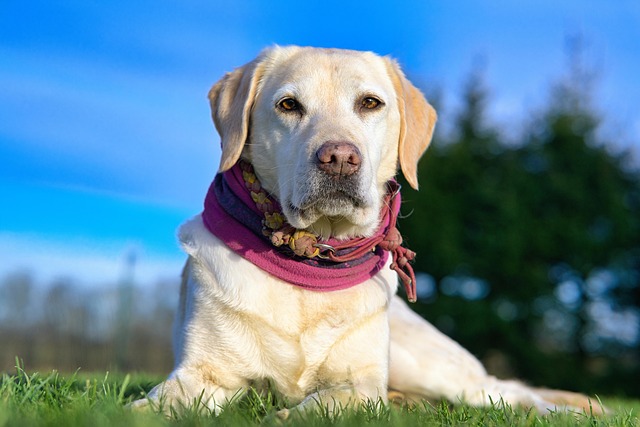
If you've noticed your dog's waistline disappearing and your veterinarian has mentioned those few extra pounds, your first instinct might be to simply reduce the amount of food in their bowl.

Training a dog to use a designated spot indoors isn’t as daunting as many new owners fear, but it does take consistency and an understanding of your pet’s needs.

That moment of dread on a walk is all too familiar for many new dog owners. You see another dog approaching down the sidewalk of your neighborhood
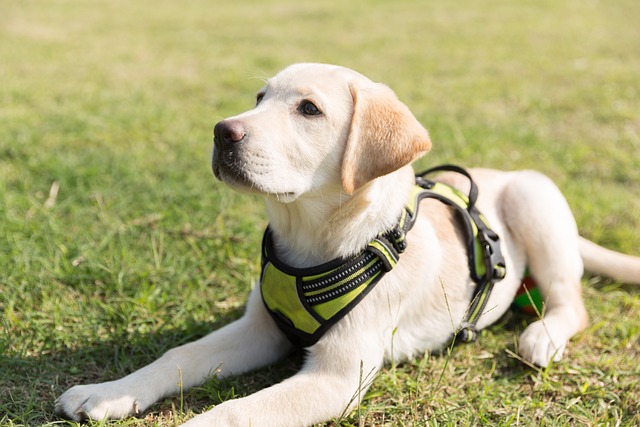
If the sight of another dog on your neighborhood walk makes your heart sink as your own dog erupts into a frenzy of barking and lunging, you're not alone.