
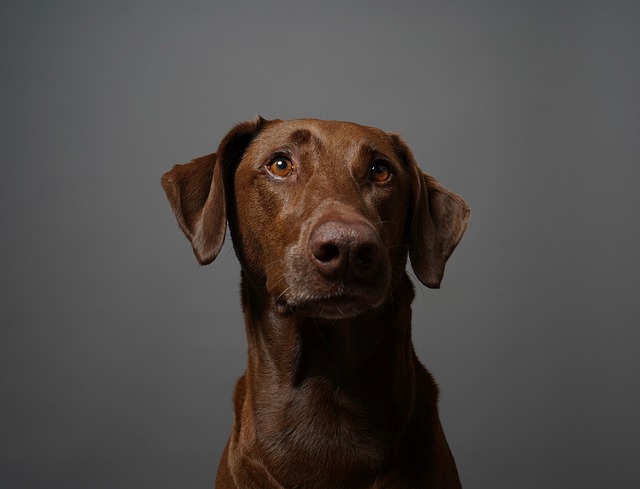
What is glaucoma in a dog?
You might notice your dog squinting more at mealtime or avoiding bright sunlight—these small changes could be early signs of a serious eye condition.
Dog owners often think the dangers of letting pets bask in sunlight boil down to heatstroke alone, but that’s just one piece of the puzzle. The reality is, the risks of sun exposure for dogs extend far beyond overheating. Prolonged dog sun exposure duration can result in skin damage, sunburn, and even subtle behavioral changes. Lighter-coated and thin-skinned breeds, as well as hairless dogs, are especially prone to dog skin damage from sun, but even those with thick fur aren’t immune. Some dogs may become restless, fatigued, or irritable after too much sun, signaling behavioral changes in dogs from sun exposure that owners might miss if they only watch for panting or lethargy. It’s easy to forget that, just like us, dogs can suffer the cumulative effects of UV rays.
So, how long can dogs stay in the sun safely? There’s no universal answer, but a few rules of thumb can help. Most healthy adult dogs can tolerate 15 to 30 minutes of direct sun before risks increase, but the safe dog sun exposure duration depends on several factors. Breeds with thin or pale coats, like Whippets or Dalmatians, are more susceptible to burning and should have even less exposure—sometimes just 10 minutes is enough to cause harm. Puppies, senior dogs, and those with health issues are also more vulnerable. The time of day plays a major role; midday sun is far harsher than early morning or late afternoon. Humidity and ambient temperature add more variables, as does where you live. States like Arizona or Florida, where UV indexes run high for much of the year, demand stricter vigilance. It’s better to err on the side of caution and assume your dog’s tolerance is lower than you think.
Watching for signs of trouble after sun exposure is crucial. Early symptoms of dog skin damage from sun include redness, tenderness, or peeling, especially on the nose, ears, and belly—areas where fur is sparse. Sunburn isn’t just painful; over time, repeated exposure increases the risk of skin cancer in dogs. Overheating and dehydration may develop unexpectedly quickly. Look for excessive panting, drooling, stumbling, vomiting, or gums that look dry or tacky. Some dogs show behavioral changes from sun exposure, such as becoming less playful, more withdrawn, or unusually anxious. These signs are easy to dismiss as tiredness, but they can signal developing health issues from too much sun.
To protect your dog during outdoor adventures, a little planning goes a long way. Always provide access to shade—trees, umbrellas, or a pop-up tent can make all the difference. Fresh water should be available at all times, and encourage frequent breaks to drink, especially if your dog is active. Pet-safe sunscreens are available and can be applied to exposed areas like the nose and ears, but avoid human products as they may contain harmful ingredients. Try to schedule walks and playtime for early mornings or late evenings when the sun is less intense. Watch your dog closely for any signs of discomfort or fatigue, and don’t push their limits even if they seem eager to play. Teaching your dog to rest in the shade is a habit worth building, particularly if you spend a lot of time outdoors together.
Sometimes, despite your best efforts, a dog may show signs that require prompt veterinary care. If you notice blistering, persistent redness, vomiting, confusion, or collapse after sun exposure, seek help immediately. Dogs with underlying conditions or those taking certain medications may be at higher risk for complications. Preventing problems is far preferable to treating them; keeping outdoor sessions brief, using protective gear, and knowing your dog’s personal limits are the best ways to avoid serious issues. Remember, the laws and animal welfare regulations in the US emphasize responsible pet care, and neglecting to provide proper shelter or shade can have legal consequences alongside health risks. By staying alert to your dog’s needs and responding quickly to signs of distress, you keep your companion safe and happy in the sun, all summer long.
You might notice your dog squinting more at mealtime or avoiding bright sunlight—these small changes could be early signs of a serious eye condition.

Let’s set the scene: It’s a sweltering Phoenix afternoon—105°F outside—and you rushed your 2-year-old Lab mix, Cooper, on a quick walk to “get it over with.”

Let’s get real: You’re in your Miami apartment, watching your 3-year-old Corgi, Loki, struggle to climb the stairs to your second-floor unit.
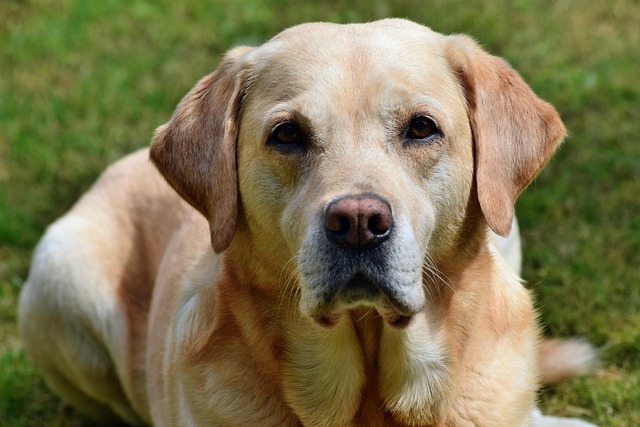
Many dog owners brush off occasional scratching as just “dog behavior,” but persistent itching often signals something more—like a food allergy.

You might first notice your dog scratching more than usual—chewing at their paws until the fur looks thin, or rubbing their face against the couch nonstop.

Let’s be real: You’re standing in your Chicago apartment, watching your 3-year-old Beagle, Max, huff and puff just to climb onto the couch.