

How do i train my dog to be obedient?
Watching your dog dart across the park ignoring your calls isn’t just frustrating—it can put them at risk near busy streets or public spaces.
You’ve brought home your fluffy golden retriever puppy, and the first question hitting you is probably how long this potty training journey will take. It’s easy to feel overwhelmed when you’re cleaning up accidents on the rug or rushing them outside at 6 a.m.—but rest assured, goldens are smart, and consistency goes a long way. Most owners see solid progress within a few months, but the exact timeline depends on a mix of their age, your routine, and how you reinforce good habits.
Let’s start with the science: puppies under 6 months old have tiny bladders that can’t hold it for long—usually 1 to 2 hours for a 2-month-old, and adding an hour for each month after that. Their brains are also learning to connect the “need to go” feeling with going outside, which takes repetition. Goldens are eager to please, so they’ll catch on faster than some breeds, but pushing them too hard (like scolding for accidents) backfires—fear makes them hide their needs instead of learning.
 Now for the practical steps. First, stick to a strict schedule: take them out first thing in the morning, right after meals, naps, playtime, and before bed. When they go potty outside, celebrate like it’s a big win—cheer, give a tiny treat, and lots of pets. If there’s an accident inside, clean it with an enzyme-based cleaner (regular soap leaves smells that make them go back to the same spot). For apartment dwellers, a puppy pad by the door can be a backup, but aim to phase it out once they can hold it longer—just remember to carry poo bags for walks, since most neighborhoods require cleaning up after your dog.
Don’t forget local rules and cultural norms, too. While potty training, make sure your puppy is up to date on core vaccines (like distemper and parvovirus) before taking them to public parks—many areas require proof of vaccines, and it keeps them safe from germs. Also, never use punishment like rubbing their nose in accidents; positive reinforcement is not just kinder, it’s the standard in responsible pet care here. If you’re struggling, consider a local puppy training class—they’re a great way to learn tips and meet other owners, plus they reinforce good behaviors in a social setting.
By the time your golden is 6 to 8 months old, they’ll likely be mostly potty trained—with maybe an occasional accident if they’re extra tired or excited. The key is to stay patient and consistent; those early mornings and quick trips outside will pay off when you can trust them to hold it while you’re at work. Remember, every puppy learns at their own pace, and your golden’s eagerness to make you happy will keep them motivated. Before you know it, you’ll be enjoying walks without stressing about accidents—and that fluffy pup will be a well-trained companion.
Watching your dog dart across the park ignoring your calls isn’t just frustrating—it can put them at risk near busy streets or public spaces.

New puppy owners often find themselves rushing to clean up accidents before they set in, and that’s where puppy pad training becomes a game-changer.
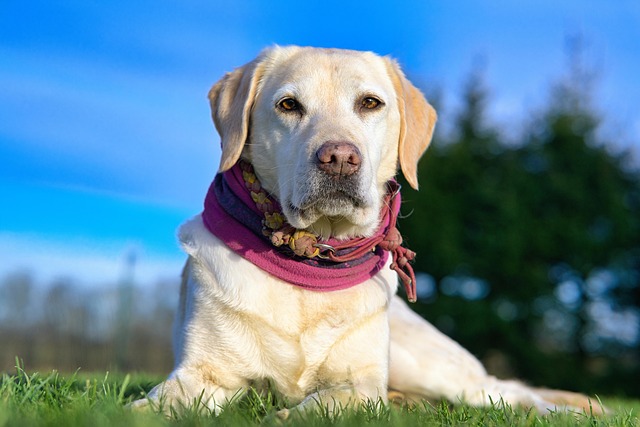
If you've noticed your dog's waistline disappearing and your veterinarian has mentioned those few extra pounds, your first instinct might be to simply reduce the amount of food in their bowl.

Training a dog to use a designated spot indoors isn’t as daunting as many new owners fear, but it does take consistency and an understanding of your pet’s needs.
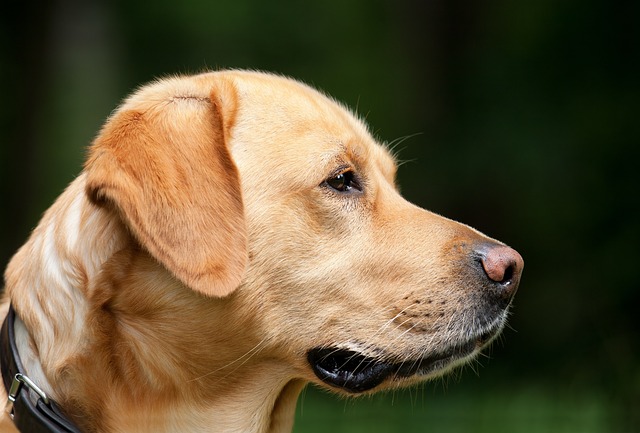
That moment of dread on a walk is all too familiar for many new dog owners. You see another dog approaching down the sidewalk of your neighborhood
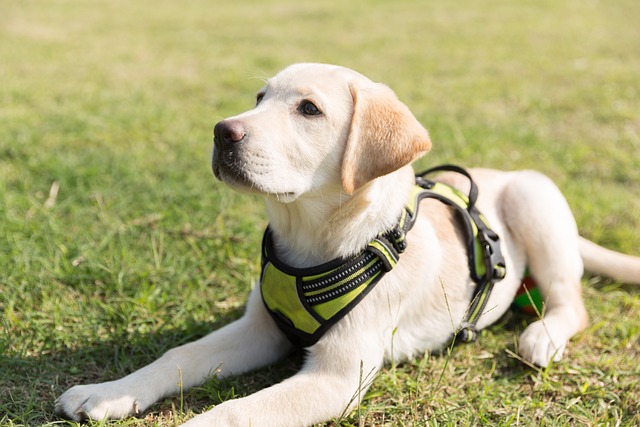
If the sight of another dog on your neighborhood walk makes your heart sink as your own dog erupts into a frenzy of barking and lunging, you're not alone.