
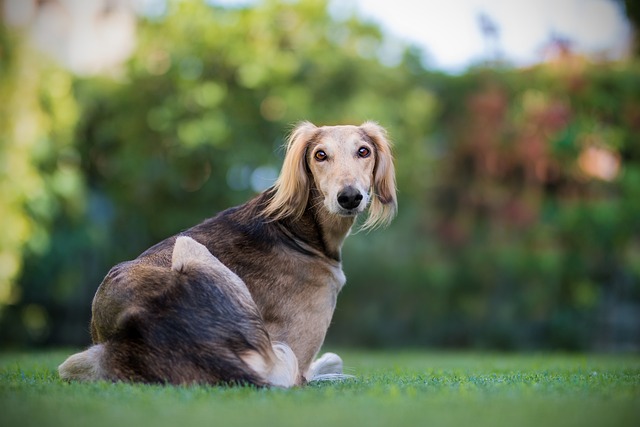
How do i train my dog to be obedient?
Watching your dog dart across the park ignoring your calls isn’t just frustrating—it can put them at risk near busy streets or public spaces.
If you've ever watched a Yorkie dart across the room with the urgency of a tiny tornado, you already know their bladder operates on a different clock. Yorkshire Terriers might be small in size, but their potty training challenges loom large for many owners. Unlike larger breeds that can hold it for hours, a Yorkie's pea-sized bladder and high metabolism mean accidents happen fast—sometimes before you even grab the leash.
Most generic potty training guides claim "4-6 months" as the golden rule, but Yorkie owners quickly learn that timeline rarely applies. Their stubborn streak (a charming trait until you're scrubbing carpets) and sensitivity to scolding can turn standard methods into a battle of wills. One client’s Yorkie refused to pee outside for weeks after being yelled at—proof that these dogs remember emotional reactions longer than most.
The secret weapon? Crate training done right. Yorkies instinctively avoid soiling their sleeping space, so a properly sized crate (just big enough to stand and turn around) becomes their den. Pair this with military-grade schedule precision—trips outside upon waking, after meals, and every 2 hours max—and you’re working with their biology, not against it. Pro tip: set phone alarms religiously; their bladder has no snooze button.
Realistically, expect 4-8 months of consistent training before your Yorkie reliably signals to go out. Some master it by 5 months, while others need occasional reminders even at a year old. The game-changer? Positive reinforcement with high-value treats reserved exclusively for potty successes. A client’s Yorkie started ringing bells hung on the door within weeks when rewarded with tiny bits of freeze-dried liver—proof that motivation beats punishment every time.
Watch for subtle cues like sudden sniffing or circling—Yorkies often give seconds of warning. Avoid punishing accidents after the fact (they won’t connect the dots) and skip pee pads unless you want mixed signals about acceptable bathroom surfaces. One owner learned this the hard way when her Yorkie started using area rugs as "outdoor substitutes." Consistency is your lifeline: same door, same phrase ("Go potty!"), same reward system. When setbacks happen (and they will), double down on the routine rather than switching tactics.
Watching your dog dart across the park ignoring your calls isn’t just frustrating—it can put them at risk near busy streets or public spaces.

New puppy owners often find themselves rushing to clean up accidents before they set in, and that’s where puppy pad training becomes a game-changer.

If you've noticed your dog's waistline disappearing and your veterinarian has mentioned those few extra pounds, your first instinct might be to simply reduce the amount of food in their bowl.

Training a dog to use a designated spot indoors isn’t as daunting as many new owners fear, but it does take consistency and an understanding of your pet’s needs.
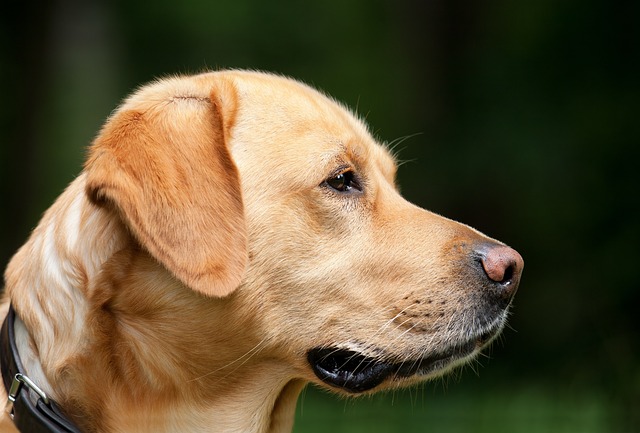
That moment of dread on a walk is all too familiar for many new dog owners. You see another dog approaching down the sidewalk of your neighborhood
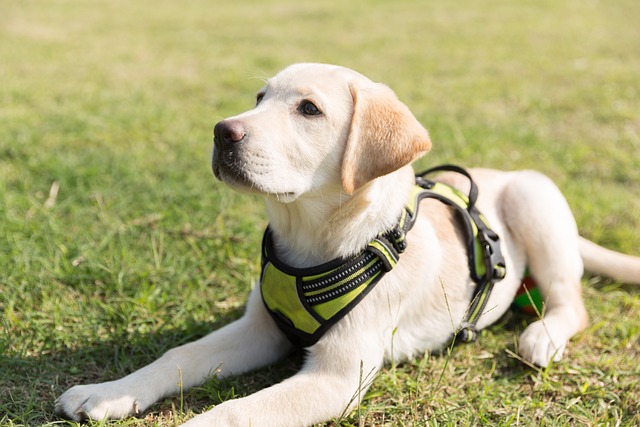
If the sight of another dog on your neighborhood walk makes your heart sink as your own dog erupts into a frenzy of barking and lunging, you're not alone.