
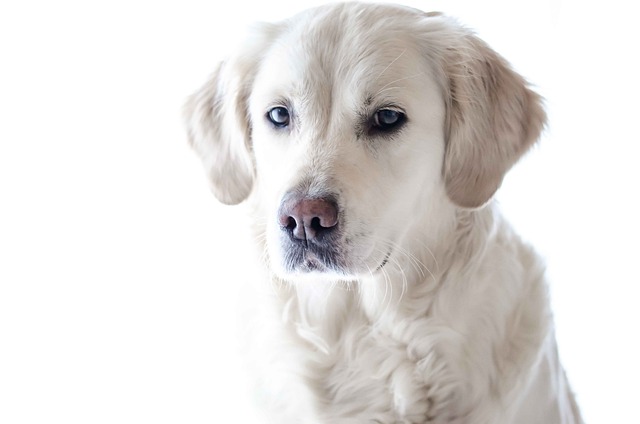
How can I tell if my dog's heatstroke is serious
Let’s be real: It’s a sticky August morning in Los Angeles, and you took your 2-year-old Golden Retriever, Max, for a walk a little later than usual
If you’ve ever tiptoed out of the house, whispering “be good” to your puppy while they stare at you with big, worried eyes, you’re not alone. New puppy parents often shower their furry friends with constant love—cuddling nonstop, rushing to comfort them at the first whimper—and accidentally lay the groundwork for separation anxiety. It’s not your fault; you’re just trying to show them they’re loved. But separation anxiety (those panicked barks, chewed shoes, or puddles when left alone) often starts with well-meaning habits. Let’s break down what to avoid, and how to raise a confident, independent pup who’s okay with alone time.
First, let’s unpack why some dogs struggle with being alone. Dogs are wired to thrive in packs, but modern life means we can’t be with them 24/7. Separation anxiety happens when they learn to fear your absence—often because of how we handle departures and reunions. My neighbor in Portland learned this with her 8-week-old Lab, Bear: she’d smother him with kisses before leaving (“I’ll miss you so much!”) and scream “Bear, I’m home!” when returning, turning goodbyes and hellos into emotional events. By 6 months, Bear howled nonstop when left, convinced your leaving meant something bad. Veterinarians call this “emotional reinforcement”—your big reactions teach them that being alone is a big, scary deal.
The fix starts with small, calm steps to build independence. From day one, get them used to “alone time” in short bursts. Leave the room for 2 minutes while they’re chewing a Kong, then return without fanfare. My Texas vet recommends this: “Puppies learn ‘mom/dad comes back’ through consistency, not coddling.” A friend in Denver did this with her Aussie pup, Lua—starting with 30-second absences, then 5 minutes, then 15. Now Lua naps happily when left, because she’s never known alone time as a crisis. Avoid hovering: if they whimper, wait 10 seconds before checking in (unless it’s a real emergency). Rushing to comfort every whimper teaches them “whining gets attention,” which grows into panic when you’re gone.
Create a “safe zone” that’s theirs alone—a crate (never used for punishment) with a soft blanket, a puzzle feeder, and a toy that smells like you. Bear’s trainer suggested this: his crate now has a stuffed lamb with my neighbor’s old sock (so her scent lingers), and he curls up there voluntarily, even when she’s home. This space teaches them “alone = safe,” not “alone = abandoned.” Skip the “goodbye treats” or over-the-top reunions—keep departures and returns calm. Grab your keys, say “be back soon,” and leave. When you return, wait 5 minutes to pet them (after they’ve settled) so they learn your absence and presence aren’t big events.
Now, let’s tie in responsible habits that keep everyone happy. Rabies vaccines aren’t optional—every U.S. state requires them, and most dog parks (like Seattle’s Magnuson Park) check proof before entry. Always carry biodegradable poop bags—fines for leaving messes start at $50 in most cities, and it’s basic neighborliness. Apartment dwellers, note this: A pup with separation anxiety often barks excessively, which strains relationships with neighbors. Prevent this by starting independence training early—Lua’s Denver apartment neighbors never even know she’s alone, thanks to those 5-minute sessions. And remember: Never scold or punish for anxiety-driven behavior (chewing, barking). Punishment deepens fear, making anxiety worse. Positive reinforcement—rewarding calm alone time with a treat—builds confidence far better.
Raising an independent dog isn’t about loving them less—it’s about loving them enough to teach them they can thrive on their own. With small, consistent steps, you’ll both breathe easier when it’s time to head out the door.
Let’s be real: It’s a sticky August morning in Los Angeles, and you took your 2-year-old Golden Retriever, Max, for a walk a little later than usual
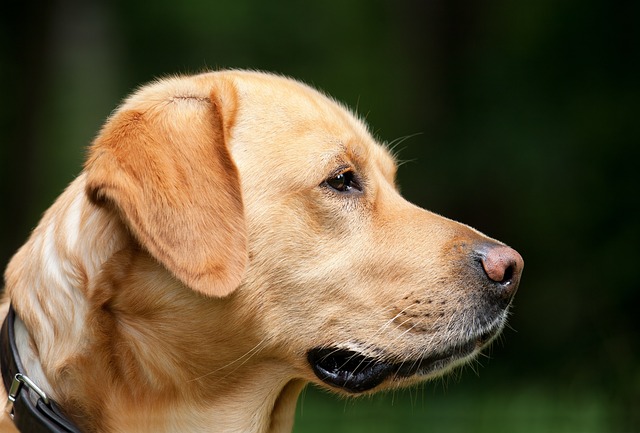
You're enjoying a summer afternoon at the park when you notice your dog has stopped panting and appears disoriented - their gums are bright red
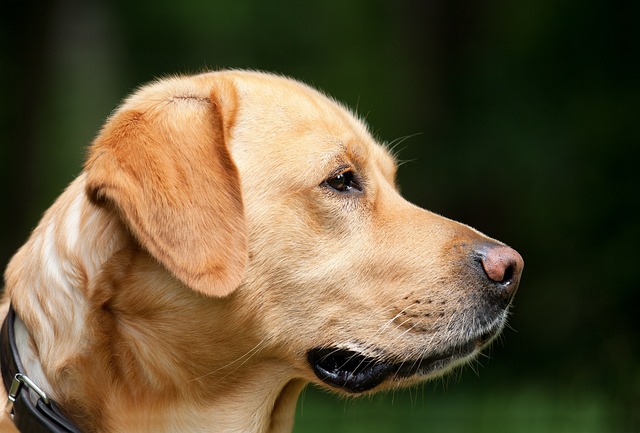
Let’s paint the picture: You’re in your Denver apartment, watching your 4-year-old Boston Terrier, Ruby, plop down mid-play session with her favorite toy

Many dog owners notice their pets nails seem shorter after regular walks,but how much does this daily activity actually help?The answer depends on where you walk—concrete sidewalks or asphalt streets gently file nails as a dog's paws hit the ground
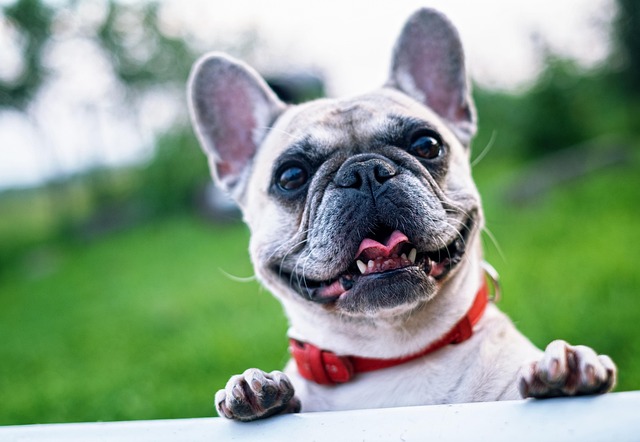
Most dog owners notice their pup scooting across the carpet at some point, but few connect it to impacted anal glands. These small sacs near a dog’s rectum secrete a scent for marking territory
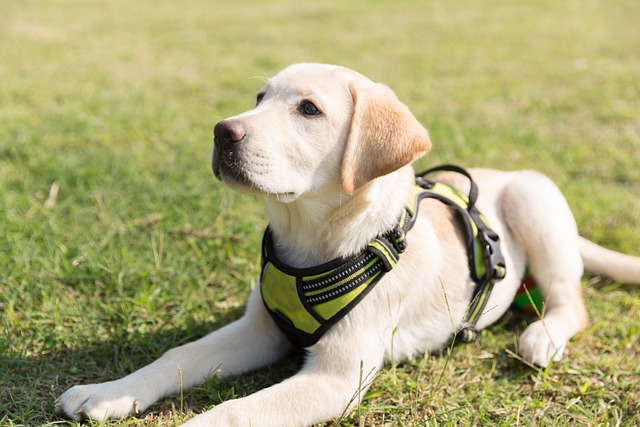
Most vets agree that regular dog teeth cleaning is key to avoiding painful dental issues later. For healthy adult dogs, a professional cleaning at the vet’s office every 12 to 18 months usually works well.