
How can I tell if my dog's heatstroke is serious
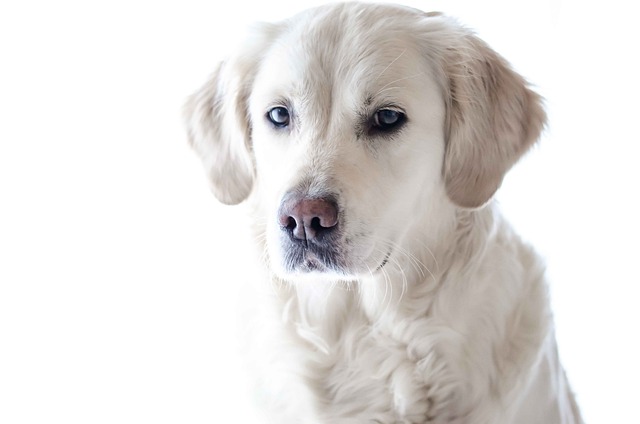
Let’s be real: It’s a sticky August morning in Los Angeles, and you took your 2-year-old Golden Retriever, Max, for a walk a little later than usual
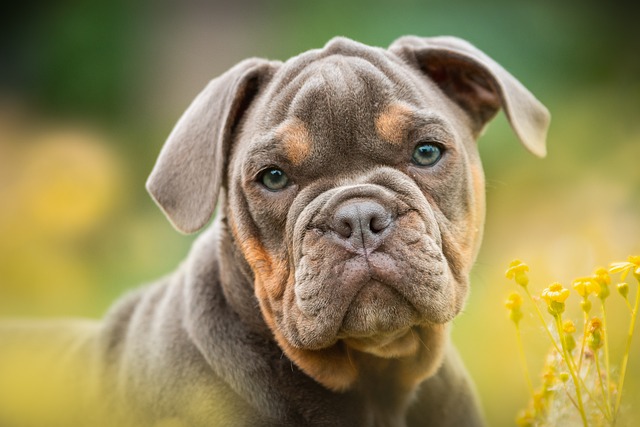
You’ve just brought home your adorable husky puppy, all fluffy and full of energy. But with that thick double coat comes a question: how often should I bathe my husky puppy? You’re not alone—new dog owners across the U.S., whether in sunny California or chilly Minnesota, often find themselves pondering this very issue while looking at their muddy - pawed, playful pups.
Huskies’ coats are a marvel of nature. Their double layer serves as insulation, keeping them warm in frigid Arctic temperatures and cool in milder climates. The outer guard hairs repel water and dirt, while the soft undercoat traps air for warmth. Frequent bathing can strip away the natural oils that protect this coat, leaving it dry, brittle, and less effective at doing its job. Think of it like over - washing your hair—the more you do it, the more your scalp overcompensates by producing excess oil, and the same principle applies to your pup’s coat.
So, what’s the right frequency? For husky puppies, aim for a bath every 2 - 3 months. Of course, there are exceptions. If your little one takes a dive into a muddy puddle during a walk in Central Park or rolls around in something smelly, a bath is necessary. But try to use a gentle, dog - specific shampoo, and make sure to rinse thoroughly. After the bath, use a large, absorbent towel to dry your puppy as much as possible, and if needed, use a blow - dryer on the lowest, coolest setting. Keep it at a safe distance to avoid scaring or burning your pup. Some husky owners in Seattle swear by using a conditioner formulated for dogs after shampooing to keep their puppy’s coat soft and shiny.
As a responsible dog owner in the U.S., there are other aspects to keep in mind. First, ensure your husky puppy’s vaccinations are up - to - date, especially rabies, which is required by law in all states. A healthy pup is better able to handle any stress from bathing. When out and about in your community, always clean up after your puppy. In cities like Austin, failing to pick up after your dog can result in a fine of up to $500. If you live in an apartment, be considerate of your neighbors during bath time. Try to keep your puppy quiet, and if they resist the bath, don’t force or punish them. Instead, use positive training methods. Offer treats and lots of praise when they cooperate, and gradually they’ll learn that bath time isn’t so bad.
In conclusion, finding the right balance for bathing your husky puppy is key. By following these tips and being a responsible pet parent, you can keep your puppy clean, healthy, and happy.
Let’s be real: It’s a sticky August morning in Los Angeles, and you took your 2-year-old Golden Retriever, Max, for a walk a little later than usual
You're enjoying a summer afternoon at the park when you notice your dog has stopped panting and appears disoriented - their gums are bright red
Let’s paint the picture: You’re in your Denver apartment, watching your 4-year-old Boston Terrier, Ruby, plop down mid-play session with her favorite toy

Many dog owners notice their pets nails seem shorter after regular walks,but how much does this daily activity actually help?The answer depends on where you walk—concrete sidewalks or asphalt streets gently file nails as a dog's paws hit the ground
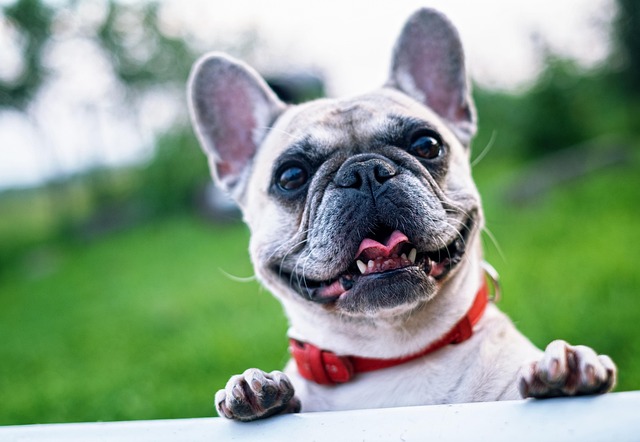
Most dog owners notice their pup scooting across the carpet at some point, but few connect it to impacted anal glands. These small sacs near a dog’s rectum secrete a scent for marking territory
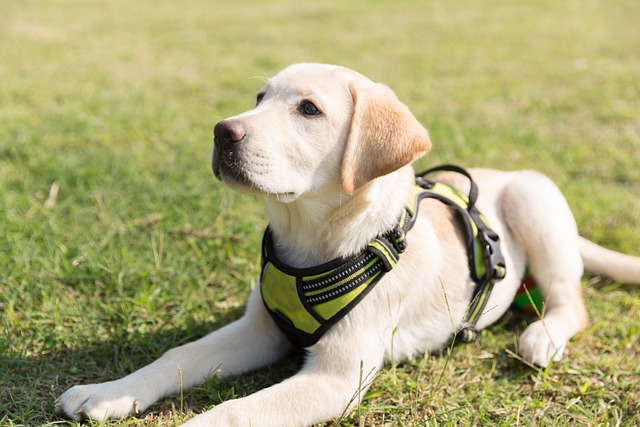
Most vets agree that regular dog teeth cleaning is key to avoiding painful dental issues later. For healthy adult dogs, a professional cleaning at the vet’s office every 12 to 18 months usually works well.