

How can I tell if my dog's heatstroke is serious
Let’s be real: It’s a sticky August morning in Los Angeles, and you took your 2-year-old Golden Retriever, Max, for a walk a little later than usual
Figuring out how often to let your dog out to pee isn’t just about keeping your floors clean—it’s tied to their health and following local rules too. For most adult dogs, a good rule of thumb is every 4 to 6 hours during the day. If you’re at work, hiring a dog walker or using a pet door (where allowed by local ordinances) can help them stick to this schedule without accidents.
Puppies need way more frequent trips—usually every 1 to 2 hours, plus right after eating, napping, or playing. It’s not just about bladder control; this also teaches them to go outside, which aligns with many communities’ leash laws and waste-cleanup requirements. For example, in cities like Portland or Berlin, failing to let your dog relieve itself regularly can lead to issues if they have accidents in public, which might violate local pet welfare rules.

Senior dogs or those with health issues (like diabetes or kidney problems) will also need more frequent breaks. Some may need to go out every 2 to 3 hours, even at night. Keeping a log of their trips can help you spot patterns and make sure you’re meeting their needs—and staying compliant with laws that require owners to provide adequate access to outdoor spaces for their pets. Many areas in the EU and US have laws that mandate pets have regular outdoor time, so this isn’t just a convenience, it’s a legal responsibility.
Your daily routine matters too. If you usually take your dog for a walk first thing in the morning, that’s a perfect time for them to pee—combining exercise with their bathroom needs. Evening walks after dinner work well too. Just remember to always carry poop bags; almost every town and city in North America and Europe has strict rules about picking up after your dog, and fines can be steep if you don’t comply. Skipping these walks or not letting them go out often enough can lead to both behavioral issues and legal trouble.
At the end of the day, the best schedule is one that fits your dog’s age, health, and your lifestyle—while following local laws. Pay attention to their cues: if they’re pacing, whining, or scratching at the door, don’t wait—let them out right away. By sticking to a consistent routine, you’ll keep your dog happy and healthy, and avoid any run-ins with local pet regulations. It’s a simple way to be a responsible owner and keep your community a good place for both people and pets.
Let’s be real: It’s a sticky August morning in Los Angeles, and you took your 2-year-old Golden Retriever, Max, for a walk a little later than usual

You're enjoying a summer afternoon at the park when you notice your dog has stopped panting and appears disoriented - their gums are bright red

Let’s paint the picture: You’re in your Denver apartment, watching your 4-year-old Boston Terrier, Ruby, plop down mid-play session with her favorite toy

Many dog owners notice their pets nails seem shorter after regular walks,but how much does this daily activity actually help?The answer depends on where you walk—concrete sidewalks or asphalt streets gently file nails as a dog's paws hit the ground
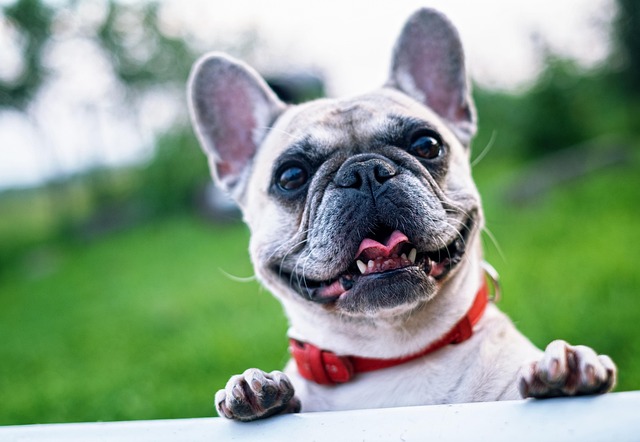
Most dog owners notice their pup scooting across the carpet at some point, but few connect it to impacted anal glands. These small sacs near a dog’s rectum secrete a scent for marking territory

Most vets agree that regular dog teeth cleaning is key to avoiding painful dental issues later. For healthy adult dogs, a professional cleaning at the vet’s office every 12 to 18 months usually works well.