

How can I tell if my dog's heatstroke is serious
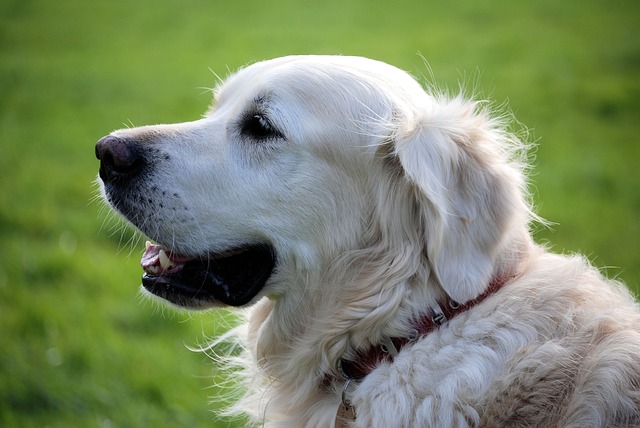
Let’s be real: It’s a sticky August morning in Los Angeles, and you took your 2-year-old Golden Retriever, Max, for a walk a little later than usual
Brushing a small dog’s teeth often gets overlooked, but it’s just as important as regular walks or vet checkups for keeping your furry friend healthy. Small breeds like Chihuahuas or Pomeranians have tighter jaw spaces, making them more prone to plaque buildup that leads to bad breath, gum disease, and even tooth loss over time. Many new dog owners in urban areas—like those in New York City or Los Angeles apartments—wait until their pup shows signs of discomfort to start, but starting early builds a stress-free routine for both of you.
The key to successful teeth brushing is using the right tools and leaning into positive reinforcement, a approach widely recommended by U.S. animal behaviorists. Grab a soft-bristled toothbrush made for small dogs and pet-safe toothpaste—never use human toothpaste, as fluoride is toxic to dogs. Start by letting your pup sniff and lick the toothpaste while praising them with treats. This turns the tool into something fun, not scary, which aligns with U.S. guidelines against forcing or scolding pets during care.
 When it’s time to start brushing, sit in a quiet spot where your small dog feels secure—maybe on your lap or their favorite bed. Gently lift their lip to expose the front teeth first; small dogs often tense up if you go for the back right away. Use circular motions on each tooth, focusing on the gum line where plaque hides, and keep each session short—2 to 3 minutes max. If your pup wiggles, take a break and offer a treat; rushing will only make them associate brushing with stress. This slow, reward-based method works better than rushing, especially for nervous small breeds.
While brushing keeps teeth clean, it’s also part of staying compliant with local pet care norms. In most U.S. states, regular vet visits are tied to keeping your dog’s rabies vaccine current— a legal requirement for all dogs. Plus, a healthy mouth means a healthier pup overall, which helps you avoid costly vet bills down the line. If you live in an apartment complex, keeping your dog’s breath fresh also makes shared spaces more pleasant for neighbors, which ties into good community pet etiquette—right alongside picking up after them during walks.
Sticking to a teeth-brushing routine doesn’t have to be a chore. Aim for 3 to 4 times a week, and pair it with other small-care moments, like after morning playtime. If your small dog still resists, try a finger brush for more control, or ask your vet for a quick demo at your next vaccine appointment.
Let’s be real: It’s a sticky August morning in Los Angeles, and you took your 2-year-old Golden Retriever, Max, for a walk a little later than usual
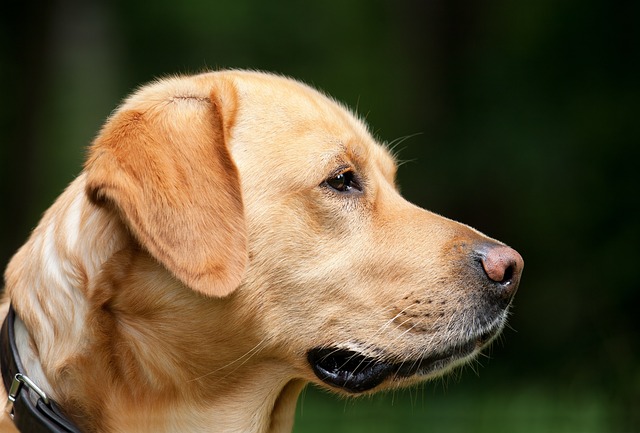
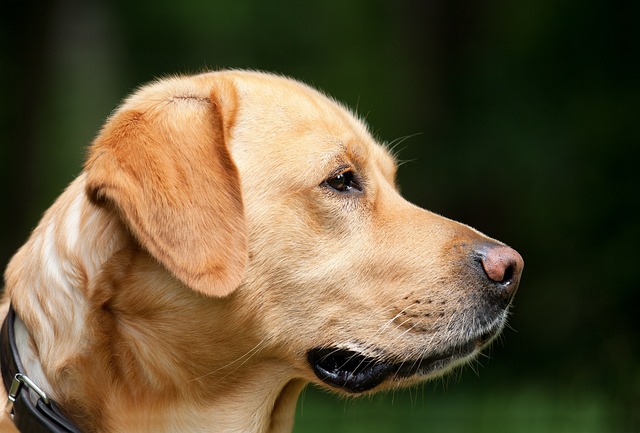
You're enjoying a summer afternoon at the park when you notice your dog has stopped panting and appears disoriented - their gums are bright red
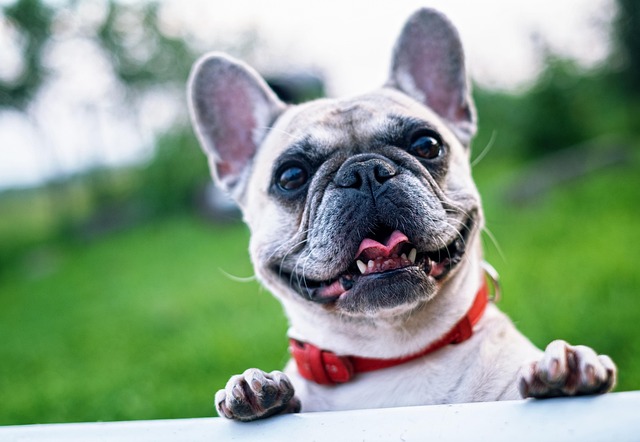
Let’s paint the picture: You’re in your Denver apartment, watching your 4-year-old Boston Terrier, Ruby, plop down mid-play session with her favorite toy

Many dog owners notice their pets nails seem shorter after regular walks,but how much does this daily activity actually help?The answer depends on where you walk—concrete sidewalks or asphalt streets gently file nails as a dog's paws hit the ground
Most dog owners notice their pup scooting across the carpet at some point, but few connect it to impacted anal glands. These small sacs near a dog’s rectum secrete a scent for marking territory

Most vets agree that regular dog teeth cleaning is key to avoiding painful dental issues later. For healthy adult dogs, a professional cleaning at the vet’s office every 12 to 18 months usually works well.