

How can I tell if my dog's heatstroke is serious
Let’s be real: It’s a sticky August morning in Los Angeles, and you took your 2-year-old Golden Retriever, Max, for a walk a little later than usual
That quivering during thunderstorms or frantic scratching when you’re prepping to leave isn’t rebellion—it’s your dog’s nervous system screaming for relief. Anxious dogs aren’t "acting out"; they’re drowning in stress hormones like cortisol. Whether it’s genetics, past trauma, or lack of early socialization, the path to calm starts with understanding why panic hits—then building safety step-by-step.
First, play detective. Does your pup freeze during fireworks? Bark hysterically at delivery trucks? Hide when suitcases appear? Triggers vary wildly, and so must solutions. Always rule out pain first—schedule a vet check. A dog panting from arthritis or a toothache can’t relax. Remember, keeping rabies vaccines current isn’t optional; it’s legally required across the U.S. and EU, especially if anxiety makes them bolt through an open door into public spaces.
Create a chosen sanctuary, not a prison. Forcing a trembling dog into a crate amplifies terror. Instead, set up an inviting retreat: a quiet corner with a non-slip mat (anxious paws slide on floors), an open crate draped with a blanket, and Adaptil pheromone spray on bedding. Place high-value treats like diced chicken there daily so they choose to settle. Apartment dwellers, anchor bookshelves—a scrambling dog during fireworks could cause dangerous tumbles, violating lease safety terms. Noise-sensitive? Try dog-specific music playlists; studies show 85% relax within minutes of tracks like "Through a Dog’s Ear."
Timing is everything with distractions. When triggers strike—before panic peaks—redirect their brain. Scatter kibble in a snuffle mat (licking releases calming endorphins) or offer a frozen Kong stuffed with cottage cheese. For doorbell chaos, train a "go to mat" cue weeks before guests arrive using tiny cheese rewards. Never soothe mid-meltdown though—cooing "it’s okay!" during thunderstorms accidentally confirms danger exists.

Gradual exposure rewires fear. Say your dog panics when you jingle keys: start by lifting keys silently, then dropping them softly while tossing chicken. Days later, jingle once while loading the dishwasher—reward calm. Only when they blink lazily at keys progress to touching the doorknob. Rushing floods their system with cortisol, setting back progress. Culturally, forced flooding violates animal welfare codes in places like Germany.
Exercise smarter, not just longer. A 20-minute "sniffari" where your dog explores bushes on-leash tires their anxious brain more than a leashed power walk. Always carry biodegradable bags—even stressed dogs must comply with public cleanup laws (fines hit $1,000 in L.A. parks). Post-walk, enforce calm with a chew toy; this teaches "off-switch" skills.
Steer clear of counterproductive traps: yelling at destruction teaches fear of your return, while relying solely on CBD treats without behavioral training just masks symptoms. For noise phobias, pressure wraps like Thundershirts work best when fitted 30 minutes pre-storm.
Apartment etiquette saves neighbor relations: lay rugs under pacing paths, warn neighbors about training ("Sorry for barking—anxiety protocol in progress!"), and schedule alone practice after morning rush hour if your building enforces quiet hours.
If shaking or hiding persists after a month of consistency, consult a veterinary behaviorist. Medications like fluoxetine can lower anxiety’s volume, letting training breakthroughs stick. True calm blooms from trust—not quick fixes. With patience and neuroscience-backed steps, you transform panic into peace.
Let’s be real: It’s a sticky August morning in Los Angeles, and you took your 2-year-old Golden Retriever, Max, for a walk a little later than usual
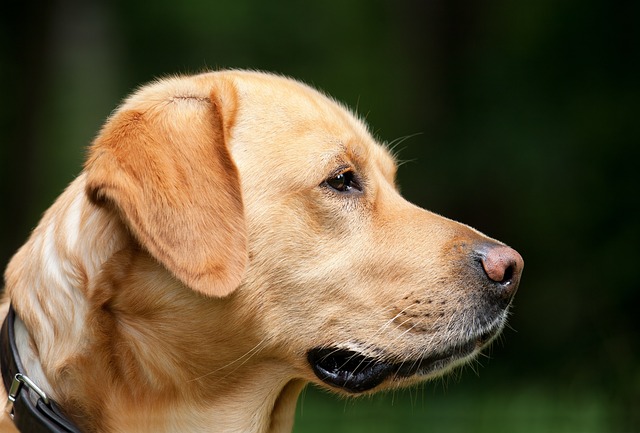
You're enjoying a summer afternoon at the park when you notice your dog has stopped panting and appears disoriented - their gums are bright red
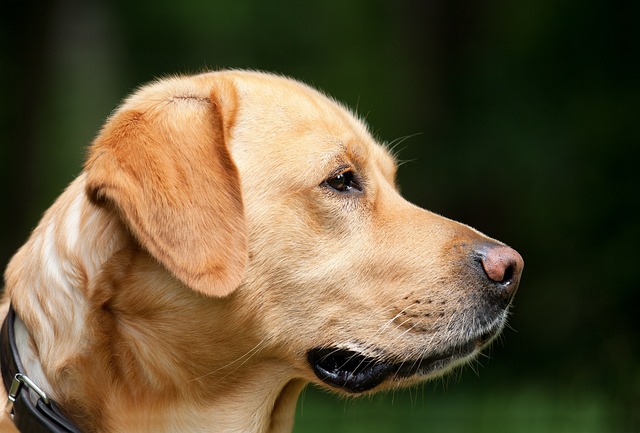
Let’s paint the picture: You’re in your Denver apartment, watching your 4-year-old Boston Terrier, Ruby, plop down mid-play session with her favorite toy

Many dog owners notice their pets nails seem shorter after regular walks,but how much does this daily activity actually help?The answer depends on where you walk—concrete sidewalks or asphalt streets gently file nails as a dog's paws hit the ground
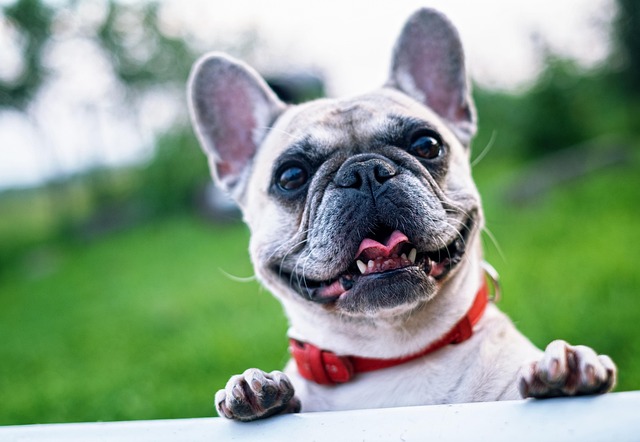
Most dog owners notice their pup scooting across the carpet at some point, but few connect it to impacted anal glands. These small sacs near a dog’s rectum secrete a scent for marking territory
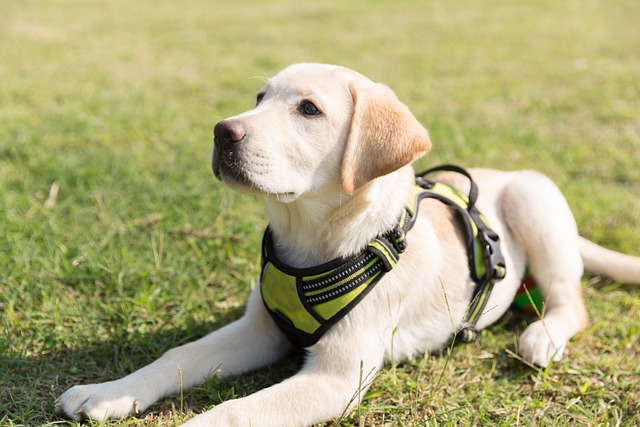
Most vets agree that regular dog teeth cleaning is key to avoiding painful dental issues later. For healthy adult dogs, a professional cleaning at the vet’s office every 12 to 18 months usually works well.