

How do i train my dog to be obedient?
Watching your dog dart across the park ignoring your calls isn’t just frustrating—it can put them at risk near busy streets or public spaces.
Many dog owners dread nail trimming day as much as their pets do. The sight of clippers can send even the most easygoing pup into a panic, turning what should be a simple grooming task into a stressful ordeal for both parties. Understanding why dogs react this way is the first step toward transforming nail care from battlefield to bonding experience.
Dogs often associate nail trimming with discomfort or past negative experiences. The sensation of pressure on their paws triggers instinctive resistance – in nature, restraint usually means danger. Some dogs simply dislike the unfamiliar sound of clippers or the odd feeling of having their feet handled. This anxiety can create a vicious cycle where owners become tense, making the dog even more nervous. Recognizing these triggers allows us to approach the situation with empathy rather than frustration.
Traditional methods like forceful restraint or distracting with treats often backfire. While holding a dog down might get the job done, it reinforces negative associations. Similarly, food rewards given at the wrong moment can accidentally reward fearful behavior. More effective approaches work with canine psychology rather than against it. Techniques that mimic natural calming signals – like slow movements, gentle pressure, and controlled breathing – speak directly to a dog's instincts.
Begin by creating the right environment. Choose a quiet space where your dog feels secure, using non-slip mats to prevent sliding. Start sessions when your dog is naturally relaxed, perhaps after exercise. Introduce the clippers gradually – let your dog sniff them while offering calm praise, then briefly touch them to your dog's paw without cutting. This desensitization process might take several sessions before actual trimming begins.
Deep pressure touch can work wonders for anxious dogs. Apply firm, steady strokes along your dog's back and shoulders before handling their paws, mimicking the calming pressure of canine social grooming. Some dogs respond well to gentle ear massages or having their chest rubbed in slow circles. Watch for signs of relaxation like sighing, blinking, or muscle softening before attempting to trim.
When ready to cut, position yourself beside rather than over your dog. Hold the paw gently but confidently – hesitant handling can increase anxiety. Trim just the tip of one nail, then pause to praise. If your dog stays calm, do one more. Ending on a positive note, even after just two nails, builds confidence for next time. Over several sessions, most dogs learn to tolerate – and some even enjoy – the process.
For particularly resistant cases, consider breaking the process into smaller steps across multiple days. Day one might involve just touching the paws, day two introducing the clippers nearby, and day three making the first actual trim. Pheromone sprays or anxiety wraps may help some dogs, though these work best when combined with behavioral techniques. If stress levels remain high, consult a professional groomer or veterinary behaviorist who can demonstrate specialized handling methods.
Consistency transforms nail trimming from crisis to routine. Schedule regular sessions rather than waiting until nails click on floors – longer nails have more sensitive quick veins, making trimming more uncomfortable. Pair each successful session with a favorite activity like playtime or a walk to create positive associations. With patience and the right approach, even the most clipper-phobic dogs can learn to stay calm for nail care.
Remember that progress isn't always linear. Some days will go smoother than others, and that's perfectly normal. The goal isn't perfection but creating an experience where both you and your dog feel more comfortable. By respecting your dog's limits while gently expanding their comfort zone, you'll build trust that makes all future grooming easier.
Watching your dog dart across the park ignoring your calls isn’t just frustrating—it can put them at risk near busy streets or public spaces.

New puppy owners often find themselves rushing to clean up accidents before they set in, and that’s where puppy pad training becomes a game-changer.
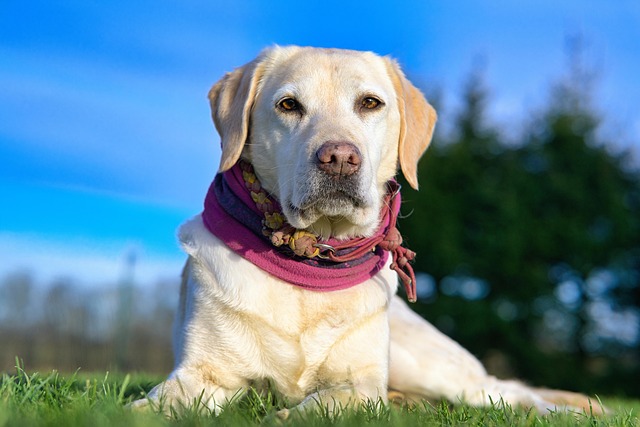
If you've noticed your dog's waistline disappearing and your veterinarian has mentioned those few extra pounds, your first instinct might be to simply reduce the amount of food in their bowl.

Training a dog to use a designated spot indoors isn’t as daunting as many new owners fear, but it does take consistency and an understanding of your pet’s needs.
That moment of dread on a walk is all too familiar for many new dog owners. You see another dog approaching down the sidewalk of your neighborhood
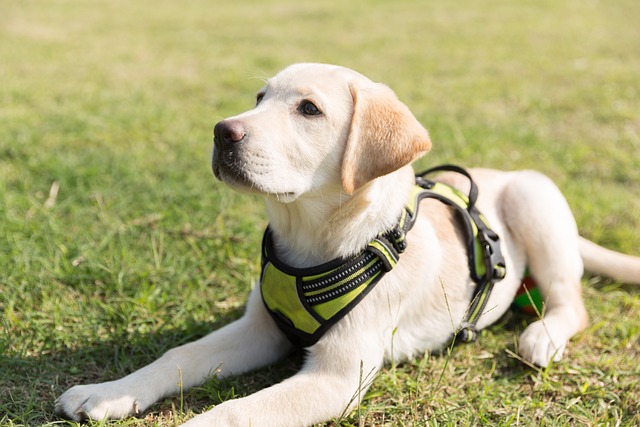
If the sight of another dog on your neighborhood walk makes your heart sink as your own dog erupts into a frenzy of barking and lunging, you're not alone.