

How can I tell if my dog's heatstroke is serious
Let’s be real: It’s a sticky August morning in Los Angeles, and you took your 2-year-old Golden Retriever, Max, for a walk a little later than usual
Dogs get scared more easily than we think—thunderstorms, loud fireworks, or even a stranger’s sudden movement can send them trembling under the couch or clinging to your legs. You might notice their tail tucked, ears flattened, or maybe they start pacing nervously. When that happens, your first instinct might be to scoop them up and shower them with reassurance, but there’s a gentler way to help them calm down.
Your energy matters more than you realize. If you tense up or start panicking because your dog is scared, they’ll pick up on that stress and feel even more uneasy. Take a breath, speak in a low, steady voice, and move slowly. Maybe sit down on the floor—getting on their level can make them feel less threatened. Sometimes just being there, quiet and calm, is enough to let them know they’re not alone. It’s not about coddling them too much; it’s about being a steady presence they can trust.
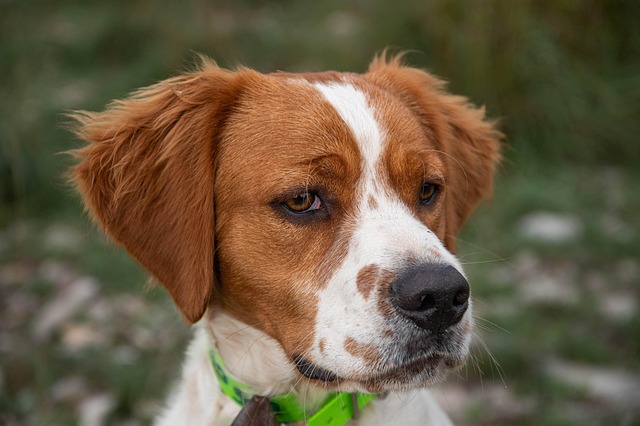 Creating a safe space can work wonders. Most dogs have a spot they retreat to when they’re nervous—a favorite corner, their crate with a soft blanket, or even under your bed. Let them go there without forcing them out. You can add something familiar, like an old shirt that smells like you, to make it cozier. If you’re out and about, keeping them leashed in public spaces as required helps them feel secure, too—knowing they’re close to you while following local rules eases their jitters.
Offering a distraction can shift their focus from what’s scaring them. A favorite toy, a small treat, or even a quick game of tug (if they’re up for it) can break the cycle of fear. Just be careful not to overdo it—you don’t want them to associate fear with getting rewards every time, but a little positive reinforcement when they start to relax can help. Some dogs respond well to gentle petting, too, but let them come to you first. If they pull away, respect that space—pushing attention on them might make things worse.
For ongoing fears, like thunder or vacuum cleaners, slow exposure can build their confidence. Start with the sound or sight at a low level—maybe a quiet thunderstorm recording—while they’re doing something enjoyable, like eating. Gradually increase the intensity over days or weeks. This takes patience, and it’s okay to take steps back if they get upset. If their fear feels too big to handle alone, reaching out to a certified trainer or vet is a good move. They can suggest methods that fit your dog’s personality and make sure you’re staying within guidelines that protect both your pet and your community.
Watching your dog struggle with fear is hard, but remember, they’re counting on you to guide them through it. Rushing their progress or getting frustrated will only set you both back. With time, you’ll learn to read their little signals—the way their eyes widen or their body tenses—and know exactly what they need to calm down. Every dog is different, but with kindness and consistency, you’ll help them feel brave again, one small step at a time.
Let’s be real: It’s a sticky August morning in Los Angeles, and you took your 2-year-old Golden Retriever, Max, for a walk a little later than usual

You're enjoying a summer afternoon at the park when you notice your dog has stopped panting and appears disoriented - their gums are bright red

Let’s paint the picture: You’re in your Denver apartment, watching your 4-year-old Boston Terrier, Ruby, plop down mid-play session with her favorite toy

Many dog owners notice their pets nails seem shorter after regular walks,but how much does this daily activity actually help?The answer depends on where you walk—concrete sidewalks or asphalt streets gently file nails as a dog's paws hit the ground
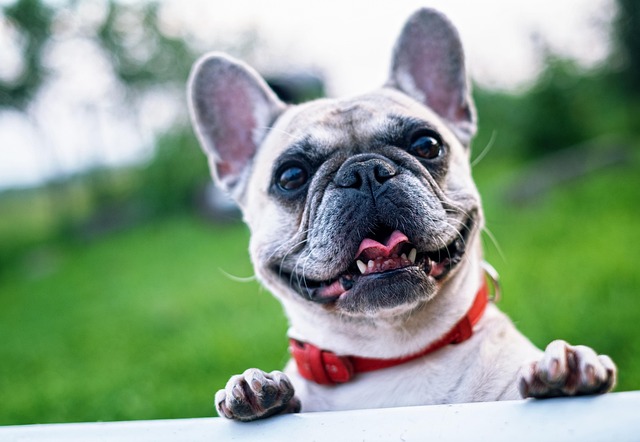
Most dog owners notice their pup scooting across the carpet at some point, but few connect it to impacted anal glands. These small sacs near a dog’s rectum secrete a scent for marking territory
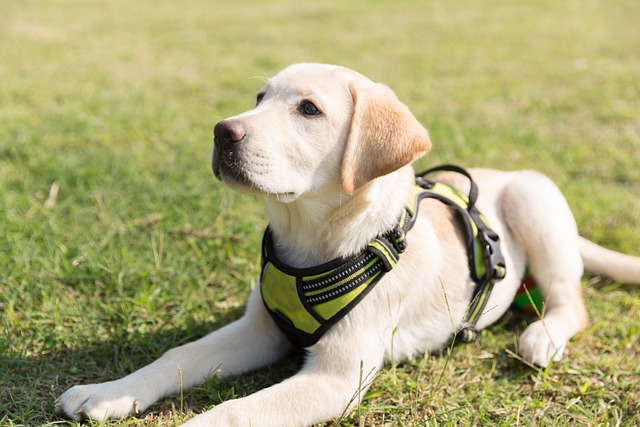
Most vets agree that regular dog teeth cleaning is key to avoiding painful dental issues later. For healthy adult dogs, a professional cleaning at the vet’s office every 12 to 18 months usually works well.