
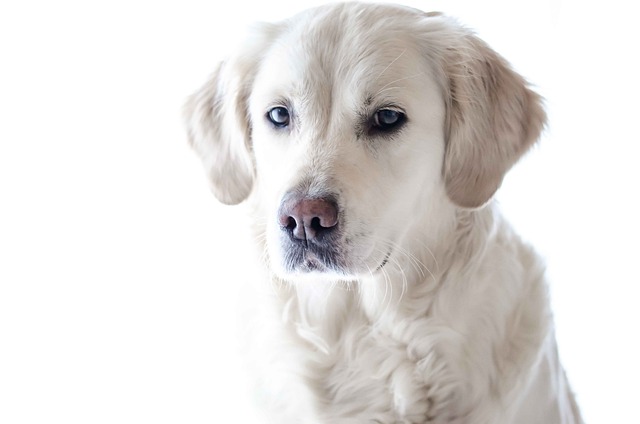
How can I tell if my dog's heatstroke is serious
Let’s be real: It’s a sticky August morning in Los Angeles, and you took your 2-year-old Golden Retriever, Max, for a walk a little later than usual
A dog’s scratched eye with blood can happen in a flash—maybe during a romp in the backyard, when they rub against a thorny bush, or even while playing with a frisbee. First, stay calm—your pup can sense panic, and that might make them squirm more, worsening the injury. Grab a clean, soft cloth or gauze pad, dampen it with lukewarm water (not cold or hot), and gently hold it over the eye for 2-3 minutes to slow the bleeding. Don’t press too hard, and never try to wipe away debris with your fingers—you could scratch the cornea further.
Once the bleeding eases, check the area carefully, but only if your dog lets you. If you see something stuck (like a piece of grass or dirt), don’t pick at it—leave that to a vet. Also, be aware of local laws: in many places, neglecting a pet’s medical needs counts as animal cruelty, so skipping a vet visit for a serious eye injury could get you in legal trouble. Even if the bleeding stops, redness, swelling, or squinting means your dog needs professional care—eye injuries can turn into infections fast, leading to vision loss.
 While heading to the vet, keep your dog’s head as still as possible. You can use a soft muzzle to prevent them from pawing at their eye—pawing is a common reflex, but it’ll only irritate the scratch more. If you don’t have a muzzle, wrap a light towel around their body to limit movement. On the way, avoid letting your dog stick their head out the car window—wind and dust can make the injury worse, and it’s also against traffic laws in some regions.
At the vet, they’ll likely use a special dye to check for deep scratches and might prescribe antibiotic ointment or drops to prevent infection. Follow their instructions exactly—skipping doses or stopping early can lead to complications. Also, adjust your home to prevent future injuries: trim overgrown bushes in your yard, keep small toys (that can scratch eyes) out of reach, and supervise playtime with other dogs—roughhousing often leads to accidental eye scrapes.
After the injury heals, keep an eye on your dog’s behavior. If they start avoiding bright lights, tearing up more than usual, or rubbing their eye again, call the vet right away—these could be signs of a lingering issue. Remember, taking quick action not only helps your pup feel better faster but also keeps you compliant with local animal welfare laws, which prioritize keeping pets healthy and safe.
Caring for a dog’s scratched eye with blood isn’t just about treating the wound—it’s about being a responsible pet owner. By staying calm, acting fast, and following vet advice, you’ll help your furry friend recover fully, and you’ll avoid the stress of legal issues or long-term health problems. Your dog relies on you to keep them safe, and a little extra care in moments like these goes a long way toward keeping your bond strong.
Let’s be real: It’s a sticky August morning in Los Angeles, and you took your 2-year-old Golden Retriever, Max, for a walk a little later than usual

You're enjoying a summer afternoon at the park when you notice your dog has stopped panting and appears disoriented - their gums are bright red

Let’s paint the picture: You’re in your Denver apartment, watching your 4-year-old Boston Terrier, Ruby, plop down mid-play session with her favorite toy

Many dog owners notice their pets nails seem shorter after regular walks,but how much does this daily activity actually help?The answer depends on where you walk—concrete sidewalks or asphalt streets gently file nails as a dog's paws hit the ground

Most dog owners notice their pup scooting across the carpet at some point, but few connect it to impacted anal glands. These small sacs near a dog’s rectum secrete a scent for marking territory
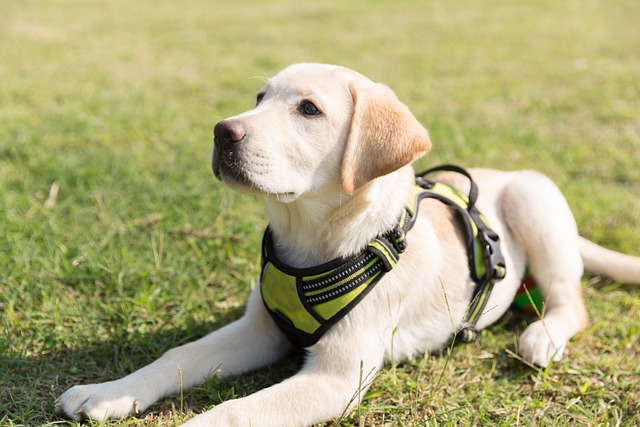
Most vets agree that regular dog teeth cleaning is key to avoiding painful dental issues later. For healthy adult dogs, a professional cleaning at the vet’s office every 12 to 18 months usually works well.