
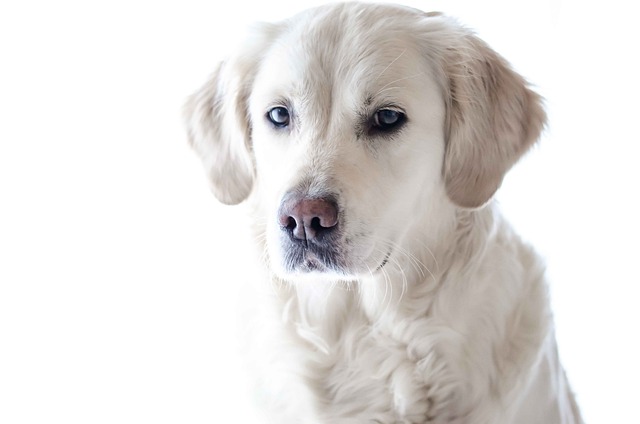
How can I tell if my dog's heatstroke is serious
Let’s be real: It’s a sticky August morning in Los Angeles, and you took your 2-year-old Golden Retriever, Max, for a walk a little later than usual
Corgis are adored for their adorable looks and playful personalities, but their distinctive floppy ears require special attention to stay healthy. Unlike upright ears that naturally shed debris, the folded structure of corgi ears creates a warm, moist environment where wax, dirt, and bacteria can accumulate, leading to discomfort and potential infections. Regular cleaning is key to keeping your furry friend’s ears clean, fresh, and free from problems.
Before you start, gather your supplies. You’ll need a gentle ear cleaner specifically formulated for dogs, a stack of soft cotton balls or gauze pads, and some tasty treats to keep your corgi calm and cooperative. Avoid using cotton swabs, as they can push debris deeper into the ear canal or accidentally damage the delicate eardrum.
Begin by gently lifting your corgi’s ear flap to expose the inner ear. Take a cotton ball or gauze pad, soak it in the ear cleaner, and gently wipe the visible parts of the ear, including the ear flap and the outer ear canal. Use a new cotton ball for each ear to prevent cross-contamination. Be careful not to insert the cotton ball too deep into the ear canal; just clean the areas you can easily see.
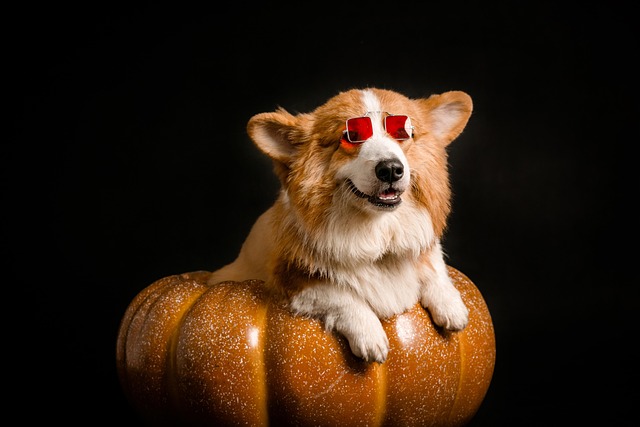 As you clean, keep an eye out for any signs of trouble. Redness, swelling, a foul odor, excessive wax, or your corgi shaking their head or scratching at their ears could indicate an infection or other issue. If you notice anything unusual, stop cleaning immediately and consult your veterinarian. They can perform a thorough examination and prescribe appropriate treatment if needed.
It’s important to clean your corgi’s ears regularly, but don’t overdo it. Once every 1-2 weeks is usually sufficient, but your vet may recommend a different schedule based on your corgi’s individual needs. Some corgis may produce more wax or be more prone to ear problems, requiring more frequent cleaning.
When it comes to pet care, it’s crucial to stay informed about local regulations. In many areas, there are specific rules regarding animal welfare, including proper hygiene practices. Ensuring your corgi’s ears are clean isn’t just about their comfort—it’s also about complying with these standards. Additionally, be mindful of cultural sensitivities around pet ownership. In some communities, there may be expectations about how pets are cared for and presented in public spaces.
Cleaning your corgi’s ears may seem like a small task, but it’s an essential part of keeping your beloved pet healthy and happy. With a little patience, the right supplies, and a gentle touch, you can make ear cleaning a stress-free experience for both you and your corgi. Remember, a clean ear is a happy ear, and a happy corgi is sure to show you plenty of love and gratitude in return.
Let’s be real: It’s a sticky August morning in Los Angeles, and you took your 2-year-old Golden Retriever, Max, for a walk a little later than usual
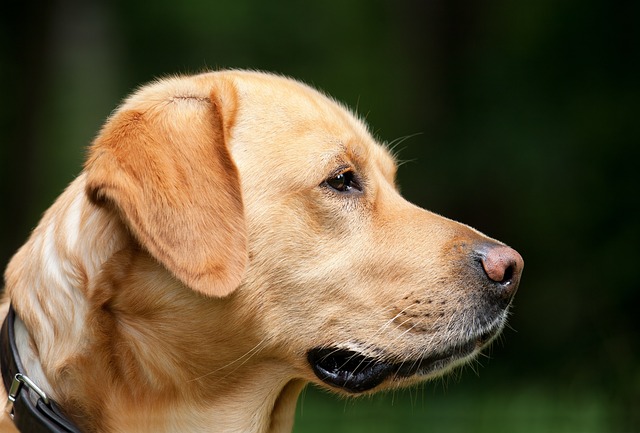
You're enjoying a summer afternoon at the park when you notice your dog has stopped panting and appears disoriented - their gums are bright red
Let’s paint the picture: You’re in your Denver apartment, watching your 4-year-old Boston Terrier, Ruby, plop down mid-play session with her favorite toy

Many dog owners notice their pets nails seem shorter after regular walks,but how much does this daily activity actually help?The answer depends on where you walk—concrete sidewalks or asphalt streets gently file nails as a dog's paws hit the ground
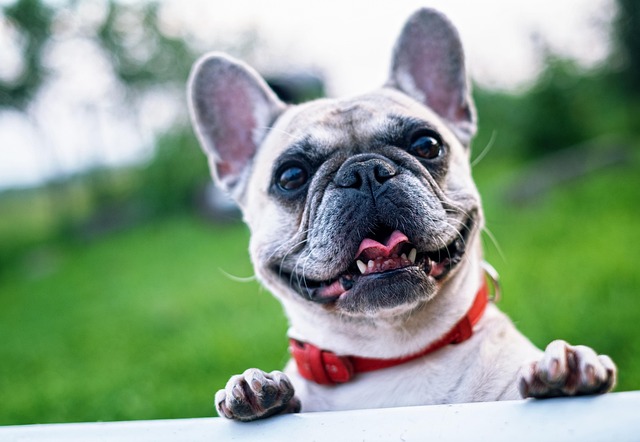
Most dog owners notice their pup scooting across the carpet at some point, but few connect it to impacted anal glands. These small sacs near a dog’s rectum secrete a scent for marking territory

Most vets agree that regular dog teeth cleaning is key to avoiding painful dental issues later. For healthy adult dogs, a professional cleaning at the vet’s office every 12 to 18 months usually works well.