
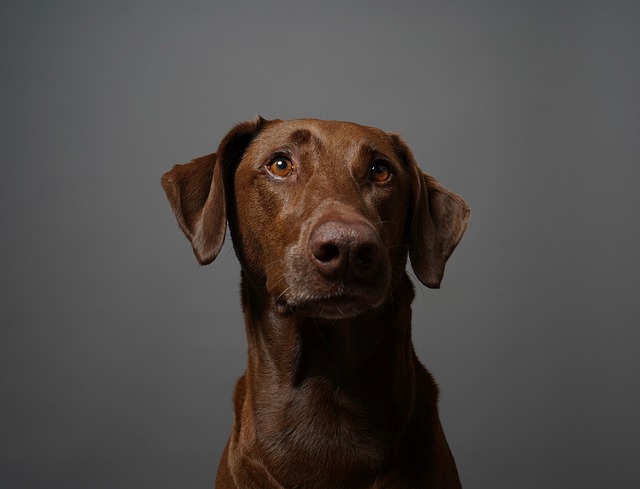
What is glaucoma in a dog?
You might notice your dog squinting more at mealtime or avoiding bright sunlight—these small changes could be early signs of a serious eye condition.
You know that head-shaking, ear-scratching frustration your pup gets into? When Rex keeps flopping on the carpet rubbing his ears, or Luna whines when you touch near her head, it’s a clear signal something’s up in there. While many reach for commercial ear cleaners, sometimes you need a safe, immediate approach without solutions – maybe you’ve run out, or your vet advised against it for now, or you simply prefer a minimalist method. Understanding your dog’s ear is key. Unlike ours, their ear canal is L-shaped, designed to naturally move wax outward. Over-cleaning, especially with harsh products or cotton swabs (a big no-no!), can disrupt this self-cleaning mechanism and cause irritation or even injury.
So, how can you help safely without solution? Start by setting up for success. Choose a calm time after a walk when your dog is relaxed. Grab some high-value treats (think chopped chicken or cheese!), soft gauze pads or cotton balls (never Q-tips!), and maybe a helper if your dog’s a wiggler. Gently fold back the ear flap, exposing the inner ear. Look, don’t probe! Under good light, check for visible debris, redness, swelling, or unusual odor (a yeasty or foul smell means stop and call the vet). If you see loose dirt or wax near the opening of the canal (don’t go digging deep!), lightly wrap a gauze pad around your finger. Gently wipe only the areas you can easily see – the inner ear flap and the very entrance of the canal. Use a fresh gauze for each wipe and each ear. The goal is surface tidying, not deep cleaning. If debris is stubbornly stuck, leave it; forcing it risks harm. Reward heavily with treats and praise throughout! This is where positive reinforcement ear care becomes crucial. Turn each gentle wipe into a happy moment, building trust for future handling.

Now, let’s talk real-world context. Living in a downtown apartment? That post-park walk means potential dirt tracking into ears. A quick, gentle post-walk visual check and external wipe with gauze (if visibly dirty) fits neatly into your routine. Remember those community rules: scooping poop isn't just polite, it's often law (check your city ordinances!), and keeping your leashed dog calm prevents accidents. This mindful approach extends home – rough handling during dog ear cleaning without solution could make your pup head-shy, complicating future vet visits or grooming. Culturally, remember the emphasis on animal welfare across the US and EU. Yanking ears, yelling, or any form of physical punishment isn't just ineffective for training, it can violate animal cruelty statutes in many areas. Positive reinforcement is the gold standard, legally and ethically.
Routine natural ear maintenance like this visual check and gentle wipe, paired with knowing when not to touch (redness, odor, pain = vet!), is often sufficient between vet visits for healthy ears. Prevent moisture buildup after baths or swims by gently drying the outer ear with a towel. Ultimately, being a responsible US dog owner means combining gentle care at home with knowing your legal duties: keeping rabies vaccines current (state laws vary, but it’s mandatory nearly everywhere), licensing your pet, and respecting leash laws and clean-up rules in shared spaces. Keeping Rex's ears comfortable safely is part of that whole package. When in doubt, your vet is your best partner for personalized ear health guidance.
You might notice your dog squinting more at mealtime or avoiding bright sunlight—these small changes could be early signs of a serious eye condition.
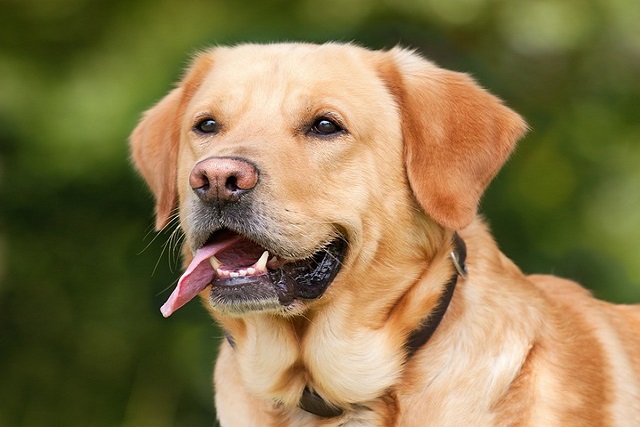
Let’s set the scene: It’s a sweltering Phoenix afternoon—105°F outside—and you rushed your 2-year-old Lab mix, Cooper, on a quick walk to “get it over with.”

Let’s get real: You’re in your Miami apartment, watching your 3-year-old Corgi, Loki, struggle to climb the stairs to your second-floor unit.
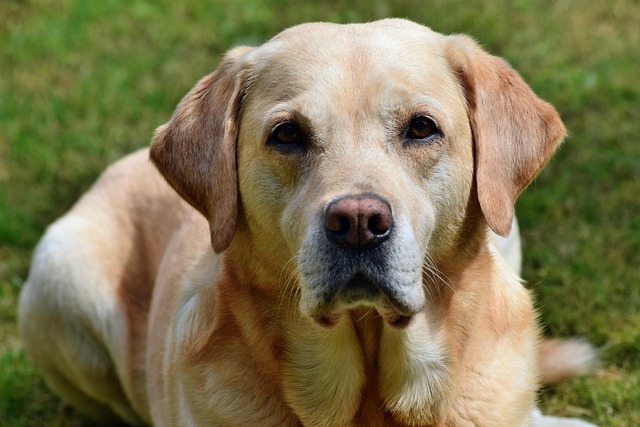
Many dog owners brush off occasional scratching as just “dog behavior,” but persistent itching often signals something more—like a food allergy.
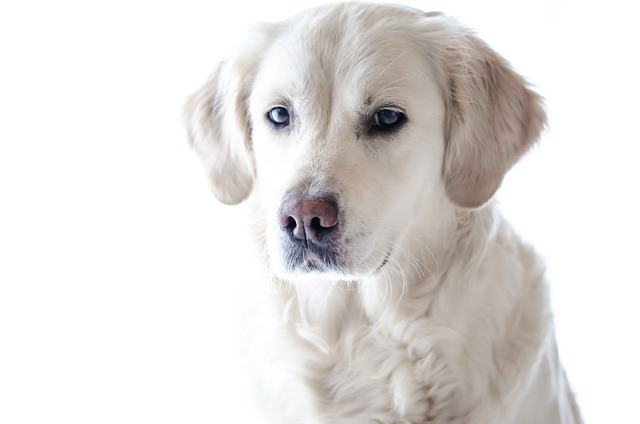
You might first notice your dog scratching more than usual—chewing at their paws until the fur looks thin, or rubbing their face against the couch nonstop.

Let’s be real: You’re standing in your Chicago apartment, watching your 3-year-old Beagle, Max, huff and puff just to climb onto the couch.