

How can I tell if my dog's heatstroke is serious
Let’s be real: It’s a sticky August morning in Los Angeles, and you took your 2-year-old Golden Retriever, Max, for a walk a little later than usual
Cleaning your dog’s ears can seem like a daunting task, but going the natural route not only keeps your pet healthy—it’s also gentle on their sensitive skin. In many areas, regular ear care is part of responsible pet ownership, ensuring you avoid potential issues that could lead to neglect accusations under animal welfare laws.
First, gather your supplies. A simple mixture of equal parts apple cider vinegar and water makes an effective natural cleaner. The acidity of the vinegar helps maintain the right pH balance in the ear, preventing bacteria and yeast growth. You can also use warm, filtered water on its own for very mild cleanings. Just make sure to avoid using anything too hot or cold that could startle your dog.
Before you start, find a quiet, comfortable spot where your dog feels relaxed. A gentle touch and a calm voice go a long way. Sit your dog beside you and use one hand to gently hold the ear flap up, exposing the inner ear canal. Look for signs of dirt, wax buildup, or an unpleasant odor—these are clues that cleaning is overdue.

Dip a cotton ball or a soft, clean cloth into the cleaning solution. Squeeze out any excess liquid to avoid dripping too much into the ear. Gently wipe the visible parts of the ear, like the inside of the ear flap and the outer canal. Never insert anything into the ear canal itself; doing so can cause serious damage, and in some cases, improper handling might violate veterinary care guidelines.
If your dog has a lot of wax buildup, you can moisten the cotton ball and let it sit on the wax for a few seconds to soften it. Then, gently wipe it away. Some dogs may need more frequent cleanings, especially those with floppy ears or a history of ear infections. But be careful not to over - clean, as this can strip the ear of its natural protective oils.
During the cleaning process, watch your dog’s reaction closely. If they start whining, pulling away, or seem uncomfortable, stop immediately. Some dogs might need short, frequent sessions rather than one long cleaning. Offering treats and plenty of praise throughout can turn ear cleaning from a chore into a positive bonding experience.
If you notice redness, swelling, discharge, or your dog is scratching at their ears excessively, it’s time to see a vet. These could be signs of an underlying infection, and self - treating with home remedies could make the problem worse. Remember, as a pet owner, knowing when to seek professional help is just as important as regular home care.
By using natural ingredients and a gentle approach, you can keep your dog’s ears clean and healthy. Regular ear care not only prevents discomfort for your furry friend but also helps you meet the standards of responsible pet ownership in your community.
Let’s be real: It’s a sticky August morning in Los Angeles, and you took your 2-year-old Golden Retriever, Max, for a walk a little later than usual
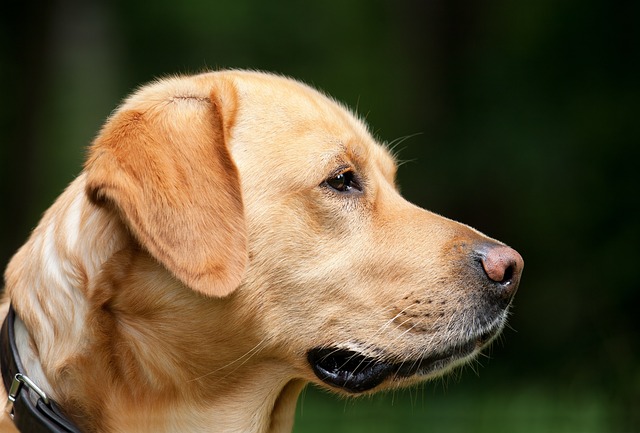
You're enjoying a summer afternoon at the park when you notice your dog has stopped panting and appears disoriented - their gums are bright red
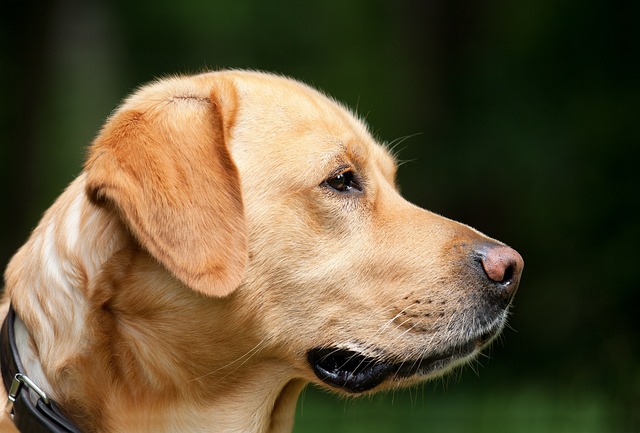
Let’s paint the picture: You’re in your Denver apartment, watching your 4-year-old Boston Terrier, Ruby, plop down mid-play session with her favorite toy

Many dog owners notice their pets nails seem shorter after regular walks,but how much does this daily activity actually help?The answer depends on where you walk—concrete sidewalks or asphalt streets gently file nails as a dog's paws hit the ground
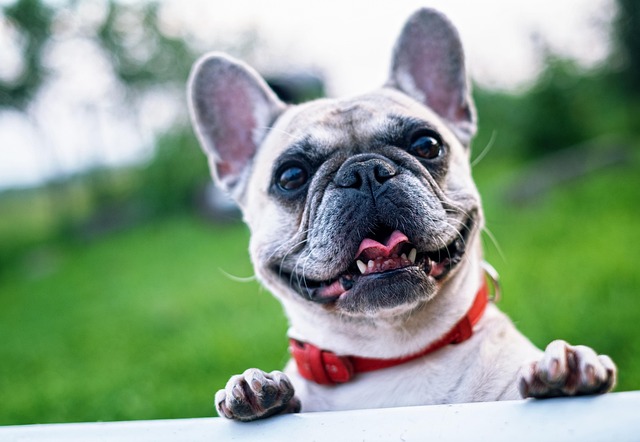
Most dog owners notice their pup scooting across the carpet at some point, but few connect it to impacted anal glands. These small sacs near a dog’s rectum secrete a scent for marking territory

Most vets agree that regular dog teeth cleaning is key to avoiding painful dental issues later. For healthy adult dogs, a professional cleaning at the vet’s office every 12 to 18 months usually works well.