

How can I tell if my dog's heatstroke is serious
Let’s be real: It’s a sticky August morning in Los Angeles, and you took your 2-year-old Golden Retriever, Max, for a walk a little later than usual
A dog’s fear of fireworks isn’t being “overly sensitive”—it’s biology. Their ears, far sharper than ours, turn those bright explosions into deafening booms that feel like threats. Comforting them starts with respecting that fear, not dismissing it.
Create a safe haven before the first crackle fills the air. Choose a small, interior room—closets, bathrooms, or quiet corners work best. Line it with their favorite blanket, a worn shirt of yours, and a few familiar toys. The goal is a space that smells like safety.
Close windows and draw thick curtains to muffle both light and sound. Turn on a TV show, fan, or white noise machine—steady, low sounds can blur the sharp edges of firework booms. Your dog will learn this room means calm, even when the world outside erupts.
Sit with them, but don’t smother. Let them curl up against you or hide under the bed—pressure from furniture can feel reassuring. Speak in a slow, low voice, offering gentle pets if they seek contact. Avoid baby talk; they need your steady presence, not excitement.
 Some dogs find relief in compression wraps, which hug their bodies like a constant, gentle embrace. Slip it on loosely at first, letting them adjust before tightening it slightly. Many owners notice a visible relax in their dog’s posture once it’s on.
Avoid forcing “bravery.” Taking them outside to “face their fear” or laughing at their trembling will only deepen their anxiety. Their fear is real, and trusting you to protect them matters more than any fireworks display.
Frozen treats or puzzle feeders can redirect their focus. Freeze broth in ice cube trays or stuff a Kong with peanut butter—licking and chewing release calming endorphins. It turns a scary moment into a small, manageable task.
Check local laws before using calming supplements. Many places require veterinary approval for certain medications, and dosages vary by breed and weight. A vet might suggest natural options like chamomile or lavender oil (diluted properly) for mild cases.
After the noise stops, give them time to decompress. Don’t rush to take them outside or start playtime—let their heart rate slow and their breathing steady. A quiet walk once the air feels safe can help reset their sense of security.
Remember, every dog copes differently. What works for a neighbor’s Lab might not help your terrier. Pay attention to their signals—pacing, drooling, or tucked tails—and adjust your approach. Your ability to adapt is part of being their best advocate.
With patience and preparation, firework nights can become less about fear and more about connection. Your calm, loving presence becomes their shelter in the storm, turning loud, bright chaos into a reminder that they’re never alone.
Let’s be real: It’s a sticky August morning in Los Angeles, and you took your 2-year-old Golden Retriever, Max, for a walk a little later than usual
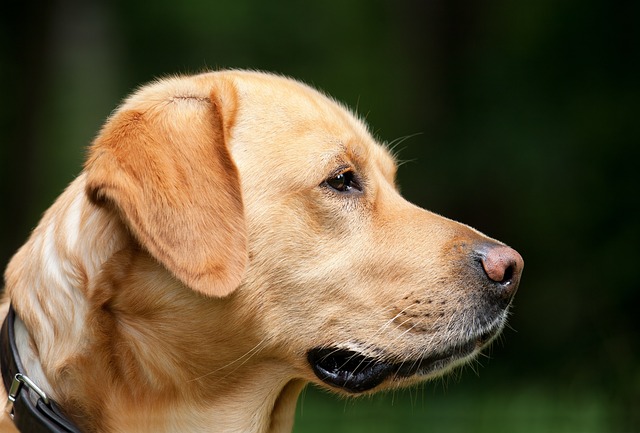
You're enjoying a summer afternoon at the park when you notice your dog has stopped panting and appears disoriented - their gums are bright red
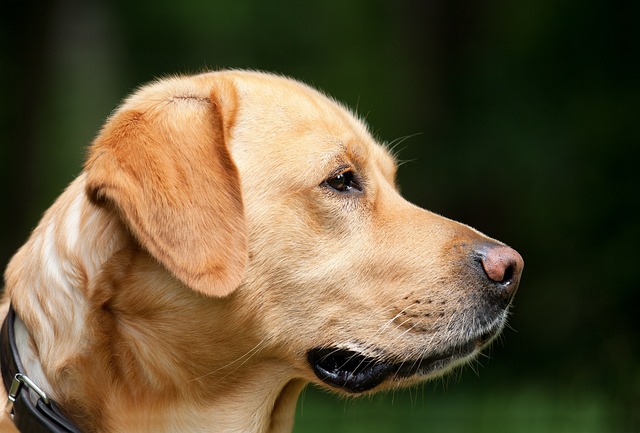
Let’s paint the picture: You’re in your Denver apartment, watching your 4-year-old Boston Terrier, Ruby, plop down mid-play session with her favorite toy

Many dog owners notice their pets nails seem shorter after regular walks,but how much does this daily activity actually help?The answer depends on where you walk—concrete sidewalks or asphalt streets gently file nails as a dog's paws hit the ground
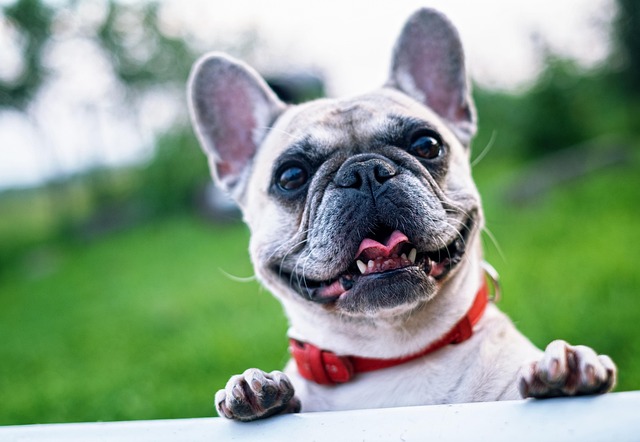
Most dog owners notice their pup scooting across the carpet at some point, but few connect it to impacted anal glands. These small sacs near a dog’s rectum secrete a scent for marking territory

Most vets agree that regular dog teeth cleaning is key to avoiding painful dental issues later. For healthy adult dogs, a professional cleaning at the vet’s office every 12 to 18 months usually works well.