
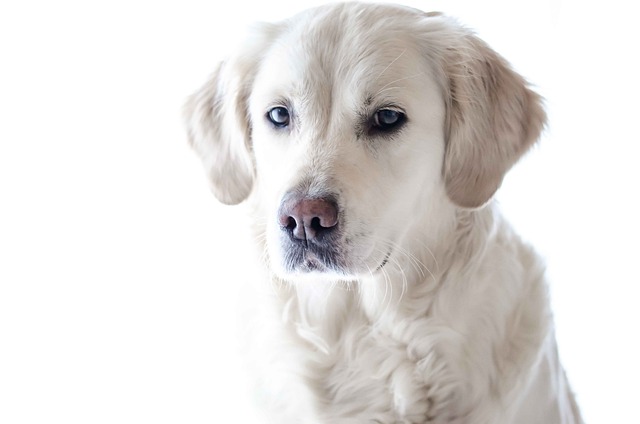
How can I tell if my dog's heatstroke is serious
Let’s be real: It’s a sticky August morning in Los Angeles, and you took your 2-year-old Golden Retriever, Max, for a walk a little later than usual
Watching your dog slow down, their energy dimming as kidney failure takes hold, can feel like a quiet heartache—one that makes you desperate to wrap them in whatever comfort you can. These moments call for more than just love; they need small, intentional acts that ease their discomfort while honoring the bond you share.
Start with their bowl. Dogs with kidney failure often struggle with appetite, and their bodies can’t handle the same foods they once enjoyed. Talk to your vet about a diet low in phosphorus and protein—something gentle on their kidneys but still enticing enough to make mealtime feel like a treat. Warm their food slightly to bring out the aroma; sometimes that’s enough to spark interest. Avoid table scraps, not just for their health, but because sudden diet changes can worsen their condition—a reminder that what feels like kindness might do more harm than good.
 Creating a cozy space matters more than you’d think. Kidney issues can make them tired, even dizzy, so keep their bed in a quiet corner away from loud appliances or busy foot traffic. Soft blankets, maybe one that smells like you, can ease their anxiety. If they’re having trouble getting around, a low-sided bed or a ramp to their favorite spot by the window can save them from straining—little adjustments that let them feel secure, not frustrated.
Touch can be a powerful healer. Gentle brushes or slow, steady pets along their back can soothe them, but pay attention to their cues. If they pull away, let them rest; if they lean in, keep going. Some days they might not have the energy for long play sessions, so short, calm moments—sitting beside them while they nap, murmuring soft words—mean more than anything. It’s about being present, not performing.
Medications and treatments can be tricky, but consistency helps. Work with your vet to set a schedule that fits their routine—maybe giving pills with a tiny bite of their favorite allowed treat. Never skip doses or adjust amounts without checking first; following professional guidance isn’t just about their health—it’s part of keeping them safe, as any responsible pet owner knows.
Watch for small signs of what they need. Maybe they prefer cooler air on warm days, or they want to be near you but not held. Kidney failure can make them thirsty, so keeping fresh water close by (but not forcing them to drink) lets them take sips on their terms. These little observations turn care into something personal, something that says you see them, even on their hardest days.
You won’t have all the answers, and that’s okay. What matters is showing up—for the vet visits, the messy mealtimes, the quiet evenings. Kidney failure isn’t easy, but your steady, loving presence? That’s the comfort no medicine can replace. Keep leaning on your vet, trust your instincts, and let them feel how deeply they’re cherished.
Let’s be real: It’s a sticky August morning in Los Angeles, and you took your 2-year-old Golden Retriever, Max, for a walk a little later than usual
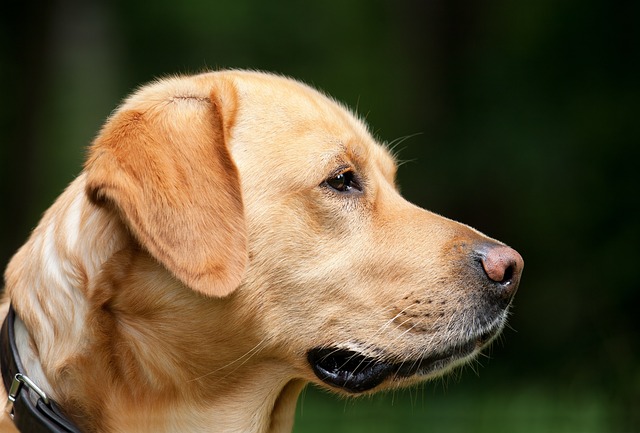
You're enjoying a summer afternoon at the park when you notice your dog has stopped panting and appears disoriented - their gums are bright red
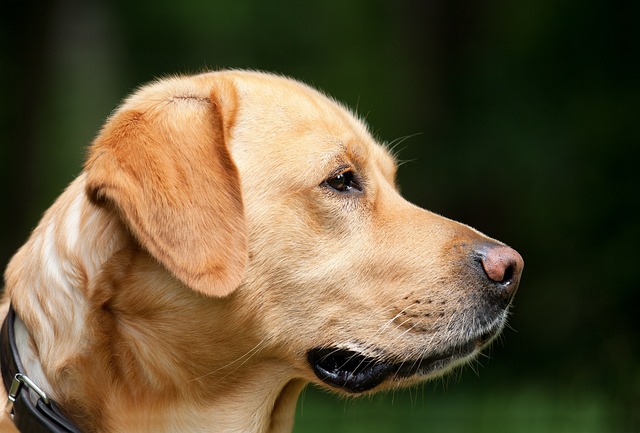
Let’s paint the picture: You’re in your Denver apartment, watching your 4-year-old Boston Terrier, Ruby, plop down mid-play session with her favorite toy

Many dog owners notice their pets nails seem shorter after regular walks,but how much does this daily activity actually help?The answer depends on where you walk—concrete sidewalks or asphalt streets gently file nails as a dog's paws hit the ground
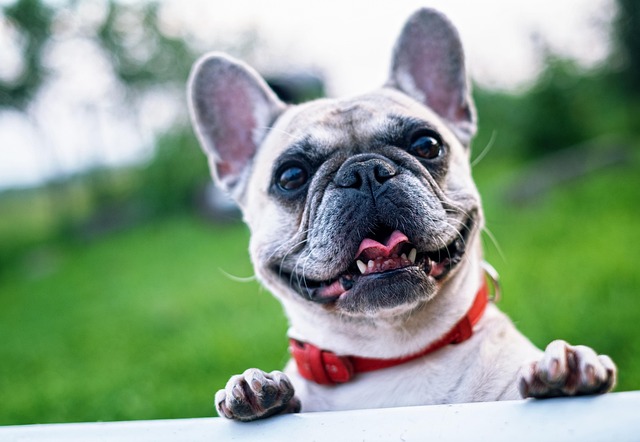
Most dog owners notice their pup scooting across the carpet at some point, but few connect it to impacted anal glands. These small sacs near a dog’s rectum secrete a scent for marking territory
Most vets agree that regular dog teeth cleaning is key to avoiding painful dental issues later. For healthy adult dogs, a professional cleaning at the vet’s office every 12 to 18 months usually works well.