
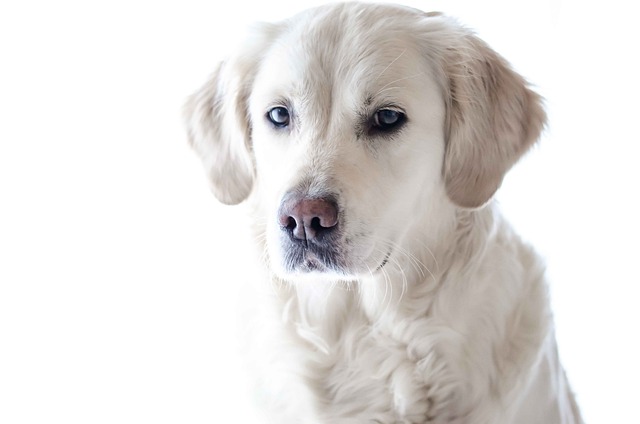
How can I tell if my dog's heatstroke is serious
Let’s be real: It’s a sticky August morning in Los Angeles, and you took your 2-year-old Golden Retriever, Max, for a walk a little later than usual
Dogs aren’t born knowing how to act around humans—they learn from the cues we give, and respect is no different. It’s not about being tough or making them fear you; it’s about building a bond where they look to you for guidance because they trust you. If your dog jumps on guests, ignores your calls, or pulls like crazy on walks, it might not be defiance—it could be that they haven’t learned to respect your leadership yet.
Consistency is your secret weapon here. Dogs thrive on predictability, so if you let them get away with stealing food off the counter one day but scold them for it the next, they’ll only get confused. Set clear rules and stick to them. For example, if “off” means no jumping on the couch, enforce it every time, not just when you’re in a bad mood. When they know what to expect from you, they’ll start to see you as a reliable leader—and reliability earns respect. This matters in public too; a dog that respects your commands is less likely to cause issues in parks or on sidewalks, which is part of being a responsible owner in any community.
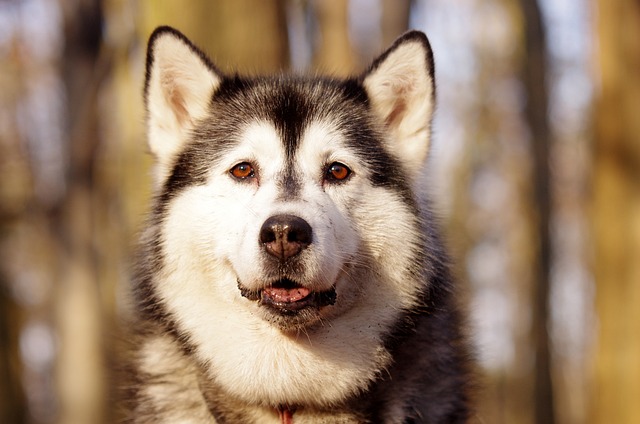 Your energy says more than your words. Dogs pick up on tension, hesitation, or frustration like a magnet. If you call them over in a shaky voice while they’re chasing a squirrel, they’ll sense your uncertainty and keep running. But speak in a calm, firm tone—one that says “I mean this”—and they’ll be more likely to pause. It’s not about being loud; it’s about sounding confident. Practice that steady energy during walks or playtime, and you’ll notice them checking in with you more, looking for your okay before making a move.
Small daily interactions build big respect. Try making them wait for their food—even just a few seconds—before setting down the bowl. It teaches them that good things come when you say so, not on their timeline. Same with going through doors: you go first, then them. These little moments aren’t about being bossy; they’re gentle reminders that you’re guiding the relationship. Pair them with praise when they listen—a pat on the head or a quick “good job”—and they’ll start to associate respecting your lead with positive feelings.
Respect goes both ways. Ignoring their needs—like skipping walks or leaving them alone for too long—can make them act out, not because they’re being rude, but because they’re stressed. A dog that’s well-exercised, mentally stimulated, and feels safe is far more likely to pay attention to you. If they’re scared or anxious, respect might look like giving them space, not pushing them into situations that make them uncomfortable. Trust builds when they know you have their back, and trust turns into respect faster than any strict rule.
Punishment is a dead end. Yelling, hitting, or using fear to “make” them respect you will only break their trust. They might obey to avoid pain, but that’s not respect—it’s fear. And fear can lead to aggression or hiding, which makes your relationship worse. Instead, redirect bad behavior: if they’re chewing your shoes, hand them a toy and praise them when they take it. Over time, they’ll learn what you want without feeling threatened, and that’s when real respect grows.
Watching a dog look up at you, waiting for your next move, knowing they trust your judgment—that’s the respect you’re after. It takes time, patience, and a little consistency, but it’s worth it. When your dog respects you, walks are calmer, playtime is more fun, and even the tough days feel easier. It’s not about being perfect; it’s about showing up for them, clearly and kindly, so they want to show up for you too.
Let’s be real: It’s a sticky August morning in Los Angeles, and you took your 2-year-old Golden Retriever, Max, for a walk a little later than usual
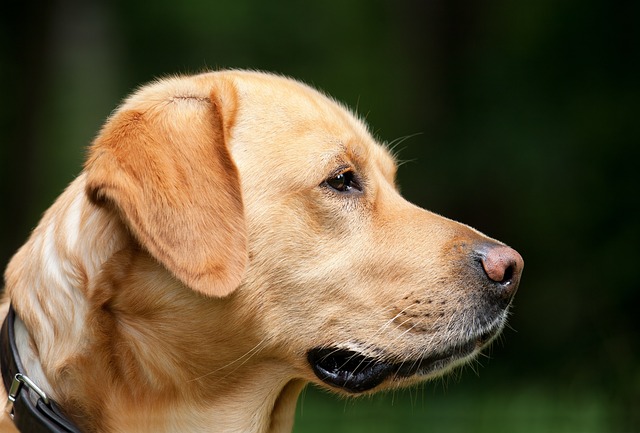
You're enjoying a summer afternoon at the park when you notice your dog has stopped panting and appears disoriented - their gums are bright red
Let’s paint the picture: You’re in your Denver apartment, watching your 4-year-old Boston Terrier, Ruby, plop down mid-play session with her favorite toy

Many dog owners notice their pets nails seem shorter after regular walks,but how much does this daily activity actually help?The answer depends on where you walk—concrete sidewalks or asphalt streets gently file nails as a dog's paws hit the ground
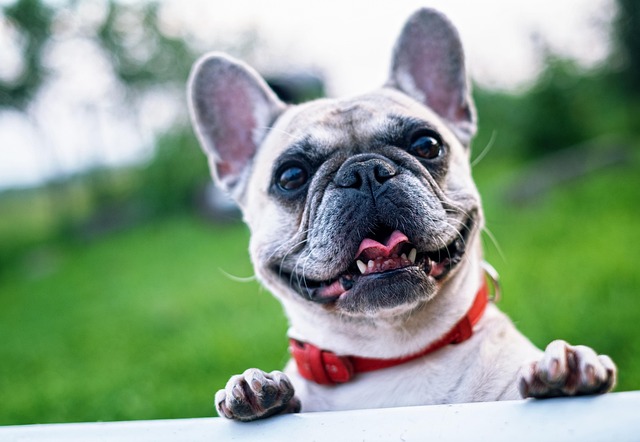
Most dog owners notice their pup scooting across the carpet at some point, but few connect it to impacted anal glands. These small sacs near a dog’s rectum secrete a scent for marking territory
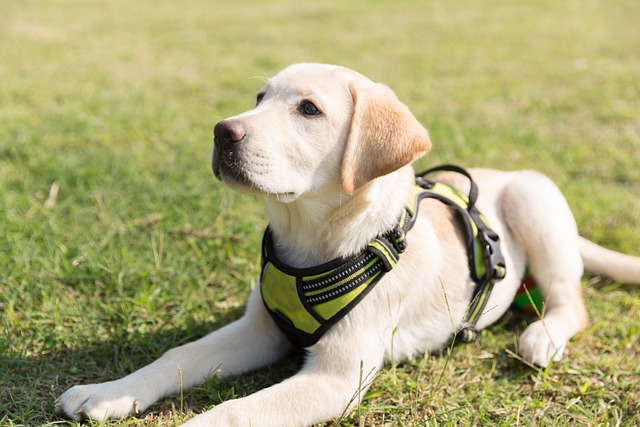
Most vets agree that regular dog teeth cleaning is key to avoiding painful dental issues later. For healthy adult dogs, a professional cleaning at the vet’s office every 12 to 18 months usually works well.