
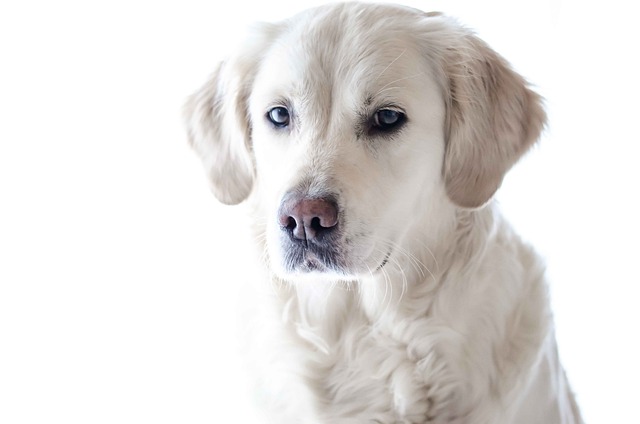
How can I tell if my dog's heatstroke is serious
Let’s be real: It’s a sticky August morning in Los Angeles, and you took your 2-year-old Golden Retriever, Max, for a walk a little later than usual
When the beloved dog at home shakes off its hair, which falls into the gaps of the sofa, among the fibers of clothes, and even drifts into the nasal cavity with each breath, many dog owners feel both helpless and distressed. Hair is a barometer of a dog's health. Excessive hair loss not only affects the living environment but may also be a distress signal from the body. In today's pursuit of scientific pet care, we can completely adopt natural and gentle methods to safeguard the dog's health and reduce the burden of household cleaning, allowing love and comfort to coexist.
The replacement of a dog's hair follows the laws of nature. Under normal circumstances, spring and autumn are peak seasons for molting. When combing the dog every day, the hair that winds around the hands forms clumps, just like gathering a soft cloud. However, when the amount of hair loss suddenly surges and even local bald patches appear, the owner needs to observe carefully. Behind the actions of itchy skin and frequent scratching may lurk mite or fungal infections; dull and lusterless hair may be telling the plight of nutritional imbalance. At this time, rather than blindly using chemical hair removal products, it is better to find a solution from the root cause.
Diet is the cornerstone of building healthy fur. High-quality protein is a major component of hair, just like the steel and cement for building a house. Omega-3 fatty acids rich in deep-sea fish can nourish the hair follicles like a natural lubricant, making the hair regain its luster. Imagine the excited look of a dog when salmon oil is mixed into its dog food and it sniffs with its nose. Every bite strengthens the skin barrier. Vitamins C and E in fresh fruits and vegetables are like antioxidant guardians, helping to repair damaged cells. Natural snacks made from carrots and blueberries not only satisfy the dog's appetite but also quietly inject vitality into its hair.
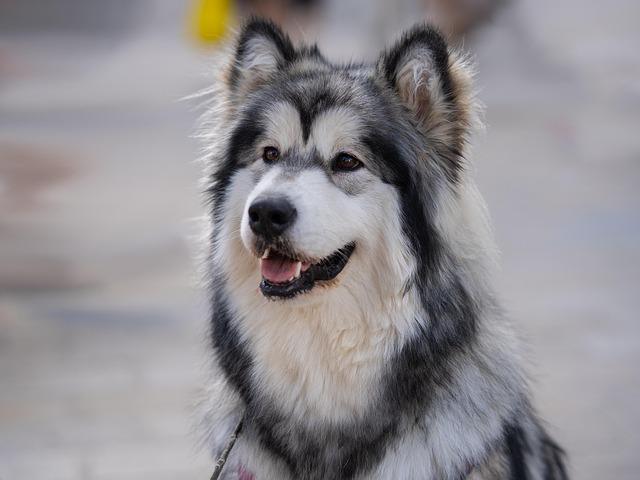 Drinking water seems simple but contains hidden secrets that are often overlooked. In dry seasons, when a dog doesn't drink enough water, its skin is like dry land, prone to dandruff and hair loss. Preparing a flowing water dispenser for pets, simulating the sound of a babbling stream, can often stimulate the dog's interest in drinking water voluntarily. When seeing them happily licking the water with their small pink tongues, you know that their bodies are being gently moisturized. Regularly feeding yogurt or probiotics can regulate the balance of intestinal flora, making nutrient absorption more efficient and the hair naturally tough and less likely to fall out.
Regular exercise is a natural remedy for promoting metabolism. Taking the dog for a run in the park in the morning, with the sun shining on their leaping backs, the contraction of muscles drives blood circulation, delivering nutrients to the hair follicles more quickly. Swimming, a low-impact exercise, can not only avoid joint damage but also allow the water flow to naturally wash away some loose hair. When the dog shakes its wet body and water splashes around, it is also a natural hair cleaning process. Massage after exercise is like the icing on the cake. Gently kneading along the direction of hair growth can not only enhance the bond between the owner and the dog but also unclog blocked hair follicles.
Cleaning and care require a delicate balance. Bathing too frequently can damage the oil protective layer on the skin, making the hair brittle and easy to break. Choosing mild natural plant-based shampoos, such as products containing oats, can soothe sensitive skin. The water temperature during a bath should be controlled between 38-40°C, close to the dog's body temperature, to avoid hot and cold stimuli. Gently press with a highly absorbent towel to dry the water instead of rubbing vigorously. Especially during the molting season, patiently comb the hair every day, from the roots to the tips, and clean up the loose hair in advance, just like knitting a new sweater for the dog.
The details of the living environment cannot be ignored either. An air humidifier can create a moist and comfortable microclimate for the dog in dry autumn and winter seasons, preventing the skin from cracking. Regularly replace the soft bedding and wipe the furniture with pet-specific disinfectants to reduce the growth of allergens. When the dog curls up comfortably in a clean and warm nest, its fluffy hair blending with the soft cushion, such a scene is the best form of healing.
The natural methods of controlling a dog's hair loss are essentially a two-way journey full of love. When we carefully observe every change in the hair, cook nutritious meals with natural ingredients, and share the joy of running in the morning light, every bit of effort will turn into the healthy luster of the dog. Perhaps one morning, you will be pleasantly surprised to find that there are fewer clumps of hair on the sofa, replaced by the smooth and satin-like hair when the dog rubs against you, as well as the trust and dependence brimming in its eyes. This warmth of mutual protection is far more precious than any quick-acting method.
Let’s be real: It’s a sticky August morning in Los Angeles, and you took your 2-year-old Golden Retriever, Max, for a walk a little later than usual
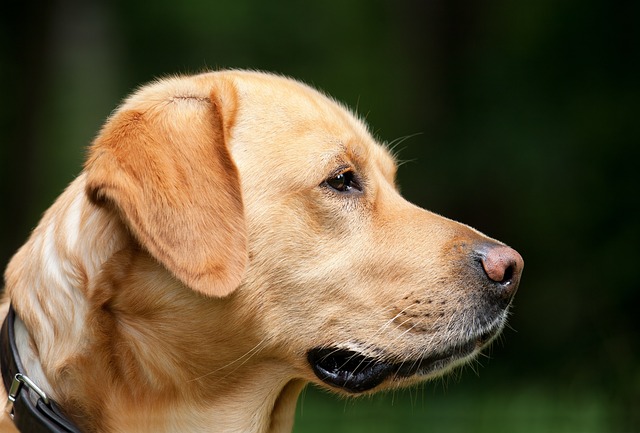
You're enjoying a summer afternoon at the park when you notice your dog has stopped panting and appears disoriented - their gums are bright red
Let’s paint the picture: You’re in your Denver apartment, watching your 4-year-old Boston Terrier, Ruby, plop down mid-play session with her favorite toy
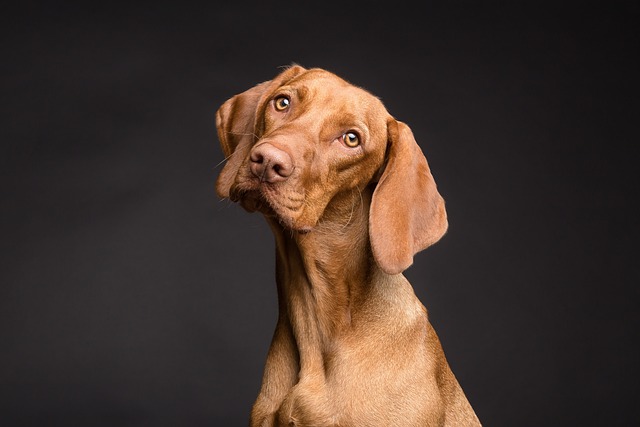
Many dog owners notice their pets nails seem shorter after regular walks,but how much does this daily activity actually help?The answer depends on where you walk—concrete sidewalks or asphalt streets gently file nails as a dog's paws hit the ground
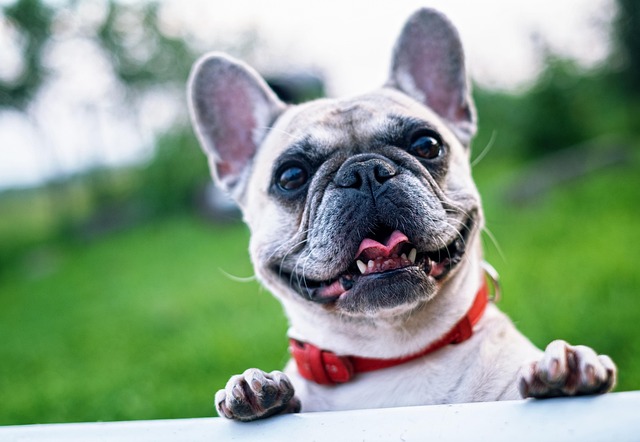
Most dog owners notice their pup scooting across the carpet at some point, but few connect it to impacted anal glands. These small sacs near a dog’s rectum secrete a scent for marking territory
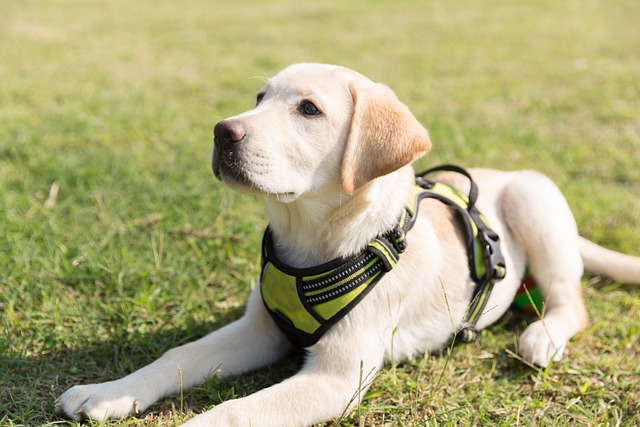
Most vets agree that regular dog teeth cleaning is key to avoiding painful dental issues later. For healthy adult dogs, a professional cleaning at the vet’s office every 12 to 18 months usually works well.