
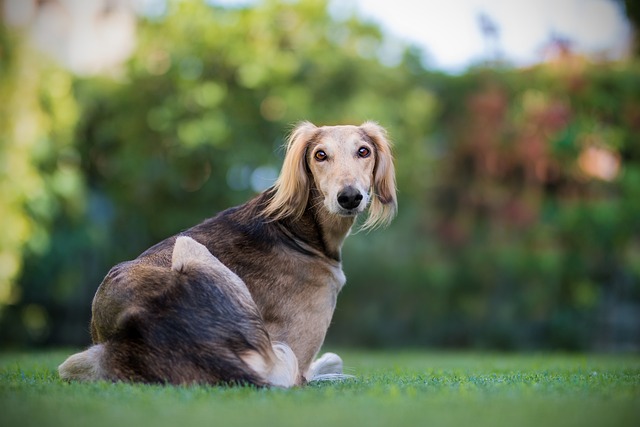
How do i train my dog to be obedient?
Watching your dog dart across the park ignoring your calls isn’t just frustrating—it can put them at risk near busy streets or public spaces.
Watching the dog enthusiastically pounce on guests, or suddenly rush forward during a walk, tugging the leash so hard that it hurts and even almost knocking down passers-by, a rush of embarrassment and worry instantly surges up. The behaviors of a dog pouncing on people and dashing forward, although sometimes stemming from their excited and enthusiastic nature, may frighten and harm others, and also put the owner in an awkward situation in public places. These behaviors are not unchangeable. As long as we are guided by professional knowledge and use full patience and love to lead them, we can help dogs develop good behavioral habits and make them beloved and well-behaved companions.
From the perspective of animal ethology, a dog pouncing on people is often a way for them to express excitement and seek attention. In a dog's world, pouncing on others may be an attempt to get close and play with them, just like how they interact with their companions by pouncing on each other. When the owner comes home or when there are guests visiting, the dog, being overly excited, will express its joy by pouncing on people. The behavior of dashing forward is related to a dog's nature and primitive instincts. In the wild, dogs need to chase prey, and this chasing instinct may be triggered during a walk. At the same time, when a dog is full of curiosity about the outside world and eager to explore new scents and environments, it is likely to dash forward. In addition, the lack of correct guidance and training, as well as the owner's wrong response methods, will also exacerbate these bad behaviors. For example, when a dog pounces on people, if the owner gives it a stroke and a hug, it is equivalent to inadvertently reinforcing this behavior, making the dog mistakenly think that pouncing on people is the right way to get attention and rewards.
To correct a dog's behavior of pouncing on people, it is necessary to start by changing the dog's cognition and behavior pattern. When a dog pounces on someone, the most crucial thing is not to give it any attention, whether it is eye contact, stroking, or verbal response. You can choose to turn around, face away from the dog, cross your arms in front of your chest, and stay still. This conveys a clear signal to the dog: the behavior of pouncing on people will not get the attention and interaction it wants. The dog may try to pounce on people several times, but as long as you persist in not responding, it will gradually understand that this method is ineffective. When the dog stops pouncing on people and stands quietly on all fours, immediately give it praise and a reward. You can gently say, "Good baby, so obedient," and reward it with a small piece of chicken jerky or other favorite snacks. Through this way of "ignoring bad behavior and rewarding correct behavior," let the dog gradually establish a new behavior pattern. At the same time, you can also train the dog in some alternative behaviors in advance, such as sitting and lying down. Before guests visit, first let the dog complete the command of sitting and give it a reward, so that it learns to express excitement and gain attention in a quiet way. Every training and guidance is like a silent communication with the dog, telling it with patience and wisdom what the correct behavior is.
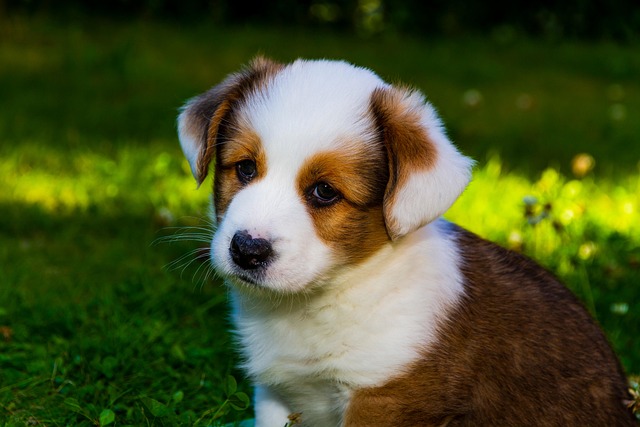
For the dog's behavior of dashing forward, the correct use of traction tools and training methods is crucial. First, choose the right leash and collar. Avoid using retractable leashes because they will give the dog the illusion that it can run freely, which is not conducive to control. You can choose a harness-style leash, which can better distribute the pulling force and avoid hurting the dog's neck. During a walk, when the dog dashes forward, do not pull the leash hard, as this will only cause the dog to resist and create a "tug-of-war" situation. Instead, stop moving forward immediately, stand still, and wait for the dog to calm down and relax the pulling force of the leash. When the dog stops dashing forward and looks back at you, then continue walking. If the dog dashes forward again, repeat the above operation until it learns to follow your pace. You can also strengthen the dog's correct walking method through "heel training." During the training process, give the command "heel" and use the leash to guide the dog to stay on your left or right side and move forward in sync with you. When the dog can follow the command, give it a reward in a timely manner. As the training progresses, you can gradually increase the difficulty, such as changing the walking speed and direction, etc., so that the dog can better adapt to various situations. Every walk training is the cultivation of the tacit understanding between the owner and the dog. In this process, we can feel the dog's progress and also experience the deepening of the trust between each other.
During the process of correcting a dog's behaviors of pouncing on people and dashing forward, the owner's attitude and patience play a decisive role. It takes time for a dog's behavior to change, and there may be relapses, which is a normal phenomenon. Never get angry, scold, or hit the dog because of its poor performance for a while. This will not only hurt the dog's feelings but also make it feel scared and anxious, leading to more serious behavioral problems. Always maintain a calm mindset and believe that through continuous training and guidance, the dog will definitely be able to correct its bad behaviors. At the same time, the cooperation of family members and people around is also very important. Let everyone understand the methods of correcting the dog's behavior and avoid giving the wrong response when the dog pounces on people. When the dog behaves well in public places, you can also share the training experience with the people around you, so that more people know how to guide dogs correctly and create a friendly and harmonious pet-raising environment.
Correcting a dog's behaviors of pouncing on people and dashing forward is a journey full of challenges and warmth. In this process, we use professional methods to guide the dog and accompany it to grow with endless patience and love. When we see that the dog no longer pounces on guests but sits quietly waiting for praise; when during a walk, the dog can obediently follow beside us and move forward in tacit agreement with us, all the efforts turn into full happiness. This is not only a change in the dog's behavior but also a sublimation of the emotion between us and the dog, allowing us to enjoy the beautiful time with the dog more peacefully and happily.
Watching your dog dart across the park ignoring your calls isn’t just frustrating—it can put them at risk near busy streets or public spaces.
New puppy owners often find themselves rushing to clean up accidents before they set in, and that’s where puppy pad training becomes a game-changer.
If you've noticed your dog's waistline disappearing and your veterinarian has mentioned those few extra pounds, your first instinct might be to simply reduce the amount of food in their bowl.
Training a dog to use a designated spot indoors isn’t as daunting as many new owners fear, but it does take consistency and an understanding of your pet’s needs.
That moment of dread on a walk is all too familiar for many new dog owners. You see another dog approaching down the sidewalk of your neighborhood
If the sight of another dog on your neighborhood walk makes your heart sink as your own dog erupts into a frenzy of barking and lunging, you're not alone.