

How do i train my dog to be obedient?
Watching your dog dart across the park ignoring your calls isn’t just frustrating—it can put them at risk near busy streets or public spaces.
It never fails to amaze me how much our puppies’ behavior is shaped by ancient instincts, even when they’re tumbling across living room rugs instead of wild meadows. When you want to crate train a puppy quickly, the first thing to recognize is that you’re not fighting nature—you’re actually working with it. Puppies are hardwired with a denning instinct, a deep-seated comfort in cozy, enclosed spaces. It’s what helps them feel safe, especially when the world seems a bit too big and busy. That’s why, when you approach crate training with this instinct in mind, you’re not forcing your pup into isolation; you’re offering a safe haven—a retreat that feels as natural as snuggling up with their littermates. And, let’s be honest, who wouldn’t want a place like that?
Now, I’ve seen a lot of well-meaning pet parents run into the same brick walls. There’s this idea out there that crate training is all about rigid schedules, closed doors, and “tough love.” Actually, that’s the quickest way to turn the crate into a battleground. Puppies aren’t robots; they’re little sponges soaking up every emotion you pour into their training. If you rush things, use the crate as a punishment, or ignore their body language, you’ll end up with a pup who sees the crate as a scary timeout zone rather than a cozy den. It’s not uncommon to hear stories of puppies whining for hours, or owners giving up after a week of sleepless nights. That’s not a failure on your part—it’s just a sign that traditional methods might be missing the mark. Fast crate training methods for puppies shouldn’t be about shortcuts; they’re about smarter strategies that respect how puppies actually think and feel.
Here’s where things get interesting. Recent behavioral science has upended some old-school advice. Instead of “crate your puppy every hour on the hour,” think about positive association methods—making the crate the best place in the house. You might be surprised at how much the timing of crate sessions matters. For example, instead of waiting until your puppy is tired and cranky, try introducing the crate right after a fun play session, when they’re naturally ready to settle down. I’ve found that scattering a few irresistible treats or a favorite chew toy inside—without closing the door at first—lets curiosity do the heavy lifting. This isn’t bribery; it’s about teaching your puppy that the crate predicts good things. If you’re looking to speed up puppy crate training, resist the urge to rush the process. Ironically, going slow at the start can get you to the finish line much faster.
You might be wondering what this looks like, step by step. Here’s what I tell my clients when they want effective puppy crate training techniques that actually stick. First, pick a crate that’s just big enough for your puppy to stand up, turn around, and lie down—coziness matters. Keep the crate in a spot where your family spends a lot of time, so your puppy never feels cut off from the pack. Start by placing treats and toys inside with the door wide open, and let your puppy explore at their own pace. No pressure, no coaxing—just genuine curiosity. Once your puppy starts going in and out on their own (sometimes this takes a few sessions, sometimes just a few minutes), you can close the door for a second or two while they’re inside, gently praising them, then open it again before they even think about fussing. Gradually, you’ll increase the time with the door closed—always ending on a positive note, never waiting for your puppy to cry before you let them out. If you’ve got a bold, food-motivated pup, you might move through these steps swiftly. A more cautious puppy might need a slower pace, and that’s okay! Remember, using canine instincts for crate training means tuning into your individual dog’s comfort level, not following a one-size-fits-all timeline.
Of course, crate training isn’t a one-and-done deal. Life gets messy—maybe you get distracted, or your puppy has a rough day and regresses a little. That’s normal. The key to maintaining positive behavior and long-term success lies in routine and empathy. Make the crate part of your daily life, not just something you use when you leave the house. Feed your puppy in the crate, toss in a favorite blanket that smells like you, and keep the atmosphere calm and upbeat. If setbacks happen—say, your puppy suddenly resists going in—pause and review your approach. Are you rushing? Did something startle them? Go back a step if needed, and celebrate even tiny progress. Stress and anxiety have a way of sneaking in, so always watch for signs your puppy is getting overwhelmed: heavy panting, drooling, or frantic scratching at the crate. If you see these, it’s time to slow down and rebuild trust. In my experience, patience and a warm tone go further than any rigid schedule ever could… and before you know it, you’ll find your puppy choosing the crate as their favorite nap spot, all on their own.
Watching your dog dart across the park ignoring your calls isn’t just frustrating—it can put them at risk near busy streets or public spaces.

New puppy owners often find themselves rushing to clean up accidents before they set in, and that’s where puppy pad training becomes a game-changer.

If you've noticed your dog's waistline disappearing and your veterinarian has mentioned those few extra pounds, your first instinct might be to simply reduce the amount of food in their bowl.

Training a dog to use a designated spot indoors isn’t as daunting as many new owners fear, but it does take consistency and an understanding of your pet’s needs.

That moment of dread on a walk is all too familiar for many new dog owners. You see another dog approaching down the sidewalk of your neighborhood
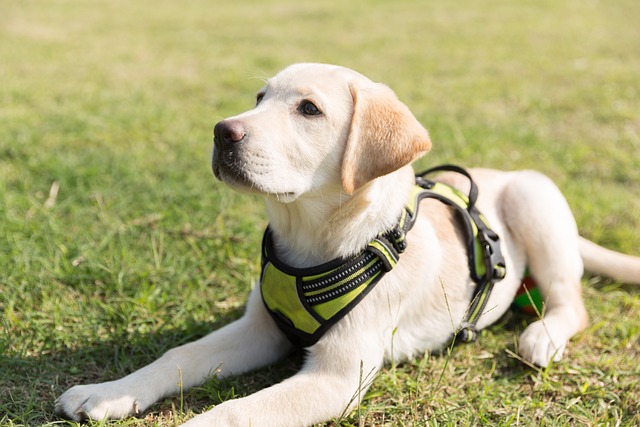
If the sight of another dog on your neighborhood walk makes your heart sink as your own dog erupts into a frenzy of barking and lunging, you're not alone.