
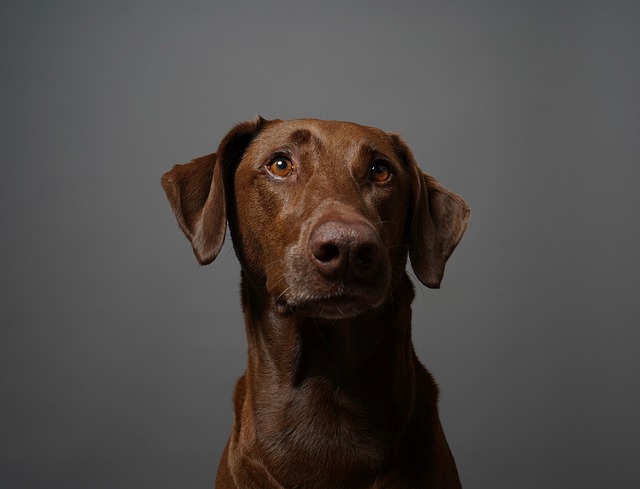
What is glaucoma in a dog?
You might notice your dog squinting more at mealtime or avoiding bright sunlight—these small changes could be early signs of a serious eye condition.
That moment when your golden retriever suddenly becomes statuesque during your evening stroll through Brooklyn's Prospect Park isn't just puzzling - it's potentially telling. Many new dog owners mistake these behaviors for stubbornness, but they're often subtle distress signals indicating your companion isn't comfortable. Recognizing these signs early can transform your walks from stressful obligations into enjoyable bonding experiences that comply with modern pet care standards.
When dogs experience anxiety, their bodies undergo measurable physiological changes. Stress hormones like cortisol flood their system, triggering what behaviorists call "distance-increasing behaviors" - signals meant to create space from perceived threats. You might notice your dog yawning excessively when not tired, licking their lips without food present, or showing "whale eye" (where the whites of their eyes become visible). Their tail might be tucked low or held stiffly high, both indicating stress. These aren't training issues but involuntary responses to overwhelming stimuli, particularly common in urban environments with sudden noises and confined spaces.
Practical identification starts with becoming an observant walking partner. Keep your leash loose enough to allow natural movement - tension on the leash can actually amplify anxiety through "leash reactivity." Watch for context-specific reactions: does your dog consistently freeze near construction sites? Do they try to bolt when encountering skateboards? These pattern recognitions are crucial. For apartment dwellers, note if anxiety begins in the hallway or elevator - confined spaces often amplify stress. Carry high-value treats like freeze-dried liver to test their responsiveness; an anxious dog will often refuse even favorite foods when overwhelmed.
Your response to these signals matters ethically and legally. Forceful methods like leash corrections or verbal scolding violate modern animal welfare principles and are prohibited in many municipalities. Instead, practice "stress stacking" awareness - recognizing that each stressful encounter accumulates throughout the walk. When you notice signs, calmly create distance from triggers and allow recovery time. This approach aligns with positive reinforcement protocols that are now the gold standard in responsible dog training across the U.S. and EU.
Remember that managing anxiety isn't just about your dog's comfort - it's part of broader regulatory compliance. Anxious dogs are more likely to have elimination accidents on walks, making carrying waste bags non-negotiable for quick cleanup per local ordinances. Similarly, ensure your dog's rabies vaccination and licensing are current, as anxious responses might include unexpected behaviors around strangers or other animals. By addressing anxiety proactively, you're not just creating better walks - you're fulfilling your role as a compliant, considerate community member while safeguarding your dog's wellbeing.
You might notice your dog squinting more at mealtime or avoiding bright sunlight—these small changes could be early signs of a serious eye condition.
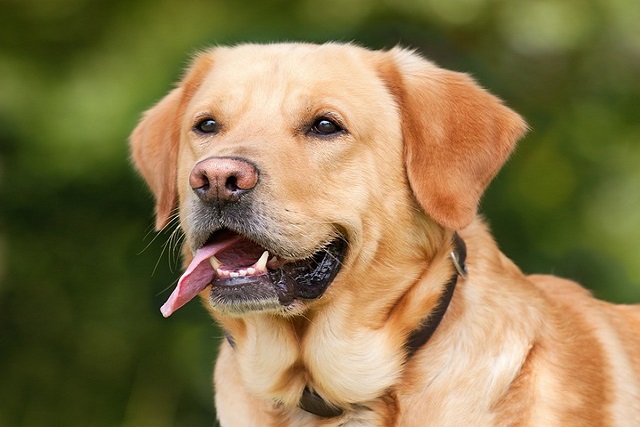
Let’s set the scene: It’s a sweltering Phoenix afternoon—105°F outside—and you rushed your 2-year-old Lab mix, Cooper, on a quick walk to “get it over with.”

Let’s get real: You’re in your Miami apartment, watching your 3-year-old Corgi, Loki, struggle to climb the stairs to your second-floor unit.
Many dog owners brush off occasional scratching as just “dog behavior,” but persistent itching often signals something more—like a food allergy.

You might first notice your dog scratching more than usual—chewing at their paws until the fur looks thin, or rubbing their face against the couch nonstop.

Let’s be real: You’re standing in your Chicago apartment, watching your 3-year-old Beagle, Max, huff and puff just to climb onto the couch.