
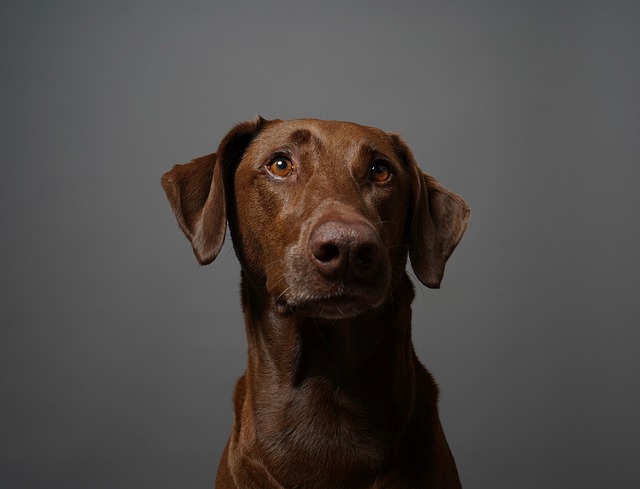
What is glaucoma in a dog?
You might notice your dog squinting more at mealtime or avoiding bright sunlight—these small changes could be early signs of a serious eye condition.
Dogs can't speak. When they are tortured by inflammatory bowel disease and gradually lose weight with frequent diarrhea, they can only turn to their owners for help with whimpers and helpless eyes. As pet owners, every time we notice something abnormal about our furry friends, it tugs at our hearts. How to accurately diagnose a dog's inflammatory bowel disease has become a crucial part of safeguarding their health. Next, we will tell you in detail about this professional and warm diagnostic process.
Inflammatory bowel disease is a chronic, non-specific intestinal inflammation that silently erodes a dog's health. When a dog shows symptoms such as repeated diarrhea, vomiting, loss of appetite, and weight loss, the owner is often extremely worried. These symptoms are like alarm bells, suggesting that we may need to diagnose inflammatory bowel disease.
First of all, the veterinarian will conduct a comprehensive and meticulous medical history collection. The owner needs to describe the dog's symptoms in as much detail as possible, including the time when the symptoms started, the frequency, the severity, and whether there are any triggering factors or changes. For example, did the dog suddenly start having diarrhea or did it gradually get worse? What is the color and texture of the vomit? Has the diet changed recently, and so on. These seemingly trivial pieces of information are like fragments of a jigsaw puzzle, which can help the veterinarian initially determine the direction of the condition. The veterinarian will also learn about the dog's vaccination status, previous medical history, and family genetic history, as all of these may be related to the occurrence of inflammatory bowel disease.
Then comes the physical examination. The veterinarian will gently touch the dog's abdomen to feel for any pain, lumps, or other abnormalities. Observe the dog's overall condition, including its mental state, the color of the mucous membranes, and the degree of dehydration. A dog that was originally lively and active may become listless due to inflammatory bowel disease, with pale or yellowish mucous membranes. These signs provide important clues for the diagnosis.
 Blood tests are an important part of the diagnostic process. Through a complete blood count, the veterinarian can know the dog's white blood cell count, red blood cell count, platelet count, and other indicators to determine whether there are infections, anemia, and other conditions. Inflammatory bowel disease may cause an increase in white blood cells, especially an increase in lymphocytes and eosinophils. Blood biochemistry tests can evaluate the functions of organs such as the liver and kidneys, as well as the levels of blood sugar, electrolytes, and so on. Since the inflammation of the intestine may affect the absorption of nutrients, which in turn affects the functions of other organs, the changes in blood biochemistry indicators can reflect the overall condition of the dog's body.
Fecal examination is also essential. By observing the fecal sample under a microscope, we can detect the presence of pathogens such as parasites, bacteria, and fungi. Parasitic infections are one of the common causes of intestinal problems in dogs. And dogs with inflammatory bowel disease are more vulnerable to parasitic invasions due to impaired intestinal function. At the same time, the properties, color, and smell of the feces can also provide a lot of information. For example, bloody stools may indicate intestinal bleeding, and foul-smelling feces may be related to excessive growth of intestinal bacteria.
When the initial examination suspects inflammatory bowel disease, imaging examinations come in handy. X-rays can help the veterinarian observe the shape of the intestine and whether there are foreign objects or obstructions. However, for the diagnosis of inflammatory bowel disease, abdominal ultrasound examination is more commonly used. Ultrasound can clearly show the thickness and hierarchical structure of the intestinal wall. In dogs with inflammatory bowel disease, the intestinal wall is usually thickened, the layers are disordered, and there may also be manifestations such as intestinal dilation. Ultrasound examination is a non-invasive method that will not cause too much discomfort to the dog, but it can provide intuitive and accurate information for the diagnosis.
However, relying solely on the above examinations is not enough to confirm the diagnosis of inflammatory bowel disease. Because many other diseases may also present similar symptoms, intestinal tissue biopsy is required. This is the gold standard for diagnosing inflammatory bowel disease. Intestinal tissue biopsy can be obtained through endoscopic examination or surgical incision. Endoscopic examination is a relatively minimally invasive method. The veterinarian will insert an endoscope with a camera into the intestine through the mouth or anus to directly observe the lesions of the intestinal mucosa and take a small amount of tissue for pathological examination. Surgical incision is suitable for areas that cannot be reached by the endoscope or in cases where severe lesions are suspected. Pathological examination will observe the morphology and structure of tissue cells under a microscope to determine whether there are characteristic changes of inflammatory bowel disease such as infiltration of inflammatory cells and destruction of glands.
The entire diagnostic process is a test for both the dog and the owner. Watching our furry friends nervous and scared during the examination, we feel deeply distressed. But only through these professional and rigorous examinations can we clear away the thick fog and accurately diagnose whether the dog has inflammatory bowel disease, so as to formulate an appropriate treatment plan. Every diagnosis is a testament to our all-out efforts for the dog's health. We hope that every sick dog can regain its vitality after an accurate diagnosis and continue to accompany us through the long years.
You might notice your dog squinting more at mealtime or avoiding bright sunlight—these small changes could be early signs of a serious eye condition.
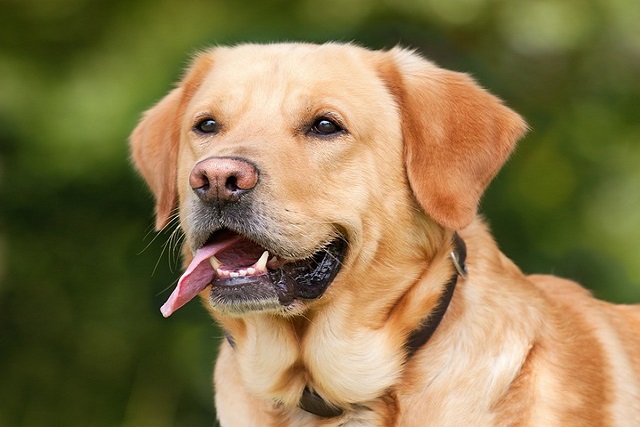
Let’s set the scene: It’s a sweltering Phoenix afternoon—105°F outside—and you rushed your 2-year-old Lab mix, Cooper, on a quick walk to “get it over with.”
Let’s get real: You’re in your Miami apartment, watching your 3-year-old Corgi, Loki, struggle to climb the stairs to your second-floor unit.
Many dog owners brush off occasional scratching as just “dog behavior,” but persistent itching often signals something more—like a food allergy.
You might first notice your dog scratching more than usual—chewing at their paws until the fur looks thin, or rubbing their face against the couch nonstop.
Let’s be real: You’re standing in your Chicago apartment, watching your 3-year-old Beagle, Max, huff and puff just to climb onto the couch.