

How do i train my dog to be obedient?
Watching your dog dart across the park ignoring your calls isn’t just frustrating—it can put them at risk near busy streets or public spaces.
Border Collies aren’t being “naughty” when they herd your kids around the kitchen or chew the couch cushions while you’re on a work call—they’re acting on instincts. Bred to herd sheep for hours, these dogs have a brain that craves work, and boredom turns that energy into chaos. Discipline here isn’t about scolding; it’s about redirecting that drive into something productive.
The first rule? Never raise your voice or use physical correction. In most places, even a sharp tap is frowned upon, and studies show it breaks trust—something critical with a breed as attuned to human emotion as Border Collies. Instead, catch them in the act of not misbehaving. If they lie quietly while you cook, toss a treat and say, “Good settle.” It teaches them what you want far faster than yelling ever will.
Leash laws matter, especially with a breed that bolts after squirrels. Keep them on a 6-foot leash in public spaces—not just to follow local ordinances, but to keep them safe while you guide their behavior. A neighbor in a suburban area learned this the hard way: her Collie darted after a rabbit, tangled in a bush, and spent weeks scared to go outside. Consistent leashing during training builds their focus on you, not every moving thing.
 Mental stimulation is non-negotiable. These dogs need puzzles—hide kibble in a snuffle mat or teach them to “find it” with toys. Ten minutes of training a “spin” or “high five” before work tires their brain more than an hour of aimless walking. A friend in a city apartment uses this trick: her Collie used to scratch doors all day, but now he waits patiently for his morning puzzle, knowing good behavior brings fun challenges.
Consistency across the household is key. If Mom lets them on the couch but Dad doesn’t, the Collie gets confused, and confusion often leads to frustration. Sit down with family to pick 2-3 clear rules—no jumping on guests, for example—and stick to them. When everyone responds the same way, the dog learns quickly: “This is how we do things here.”
Timing is everything. If you catch them digging up the flower bed, clap once to get their attention, then lead them to a designated digging spot with sand and toys. Praise like crazy when they start digging there. Waiting even 30 seconds to correct means they won’t connect the scold to the action—they’ll just think you’re upset for no reason.
Disciplining a Border Collie is really about partnership. When you channel their smarts into learning, set clear boundaries with kindness, and meet their need to work, “misbehavior” fades. They’ll thrive not because they’re afraid of being wrong, but because they trust you to show them what’s right—and that’s the best kind of discipline.
Watching your dog dart across the park ignoring your calls isn’t just frustrating—it can put them at risk near busy streets or public spaces.

New puppy owners often find themselves rushing to clean up accidents before they set in, and that’s where puppy pad training becomes a game-changer.

If you've noticed your dog's waistline disappearing and your veterinarian has mentioned those few extra pounds, your first instinct might be to simply reduce the amount of food in their bowl.

Training a dog to use a designated spot indoors isn’t as daunting as many new owners fear, but it does take consistency and an understanding of your pet’s needs.

That moment of dread on a walk is all too familiar for many new dog owners. You see another dog approaching down the sidewalk of your neighborhood
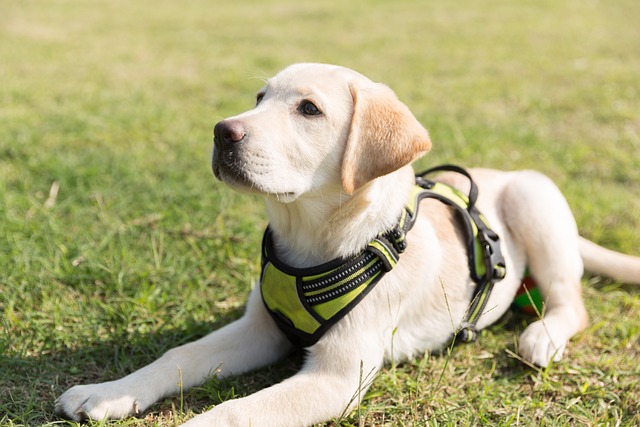
If the sight of another dog on your neighborhood walk makes your heart sink as your own dog erupts into a frenzy of barking and lunging, you're not alone.