
How can I tell if my dog's heatstroke is serious
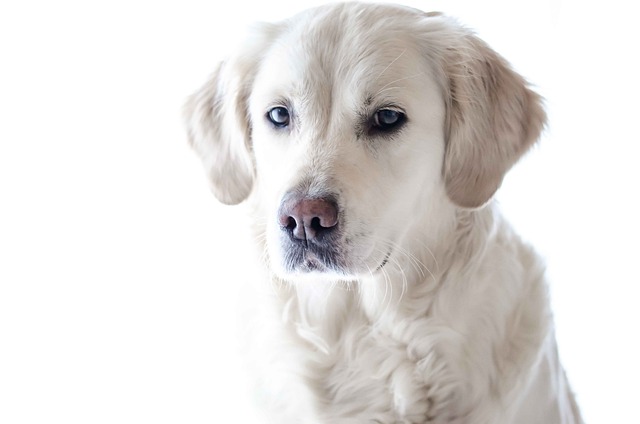
Let’s be real: It’s a sticky August morning in Los Angeles, and you took your 2-year-old Golden Retriever, Max, for a walk a little later than usual
You’re sitting by the air conditioner, watching your pup pace the living room, tail thumping against the couch like they’re begging for adventure—but the thermometer outside reads 95°F (35°C), and the pavement glows like a hot pan. For new dog owners in the US and Europe, keeping your dog happy on sweltering days isn’t just about fun—it’s about keeping them safe while staving off boredom.
Dogs handle heat differently than humans. They can’t sweat much except through their paw pads, relying mostly on panting to cool down. When it’s too hot, their energy spikes then crashes, leaving them restless or lethargic. Brachycephalic breeds like Bulldogs or Pugs struggle even more, as their short snouts make panting less effective. Overheating isn’t just uncomfortable—it can lead to heat stroke, so high-energy outdoor play during midday is a no-go. That’s why swapping intense fetch for calm, cool activities is key.
Indoor fun works wonders. Set up a snuffle mat with kibble hidden in its fleece folds—this taps into their natural foraging instinct and keeps them occupied for 15-20 minutes. Freeze a Kong toy stuffed with peanut butter and a few treats; the cold soothes their mouth, and licking slows them down. If you have space, create a “treat hunt” by hiding small snacks around the living room (nothing too big—you don’t want a stomach ache). For outdoor time, stick to shaded areas: a kiddie pool with 2 inches of cool water in the backyard lets them splash safely (always supervise—never force them in). Early morning or evening walks, when pavement cools to under 85°F (29°C), satisfy their need to explore without overheating.
Staying responsible means following local rules, even on hot days. Legally, your dog must have current vaccines—rabies shots are mandatory in all 50 US states and most EU countries, and many parks require proof. When out walking, always carry poop bags; cities like NYC or Paris fine owners $200+ for leaving waste, even in heat waves. In apartments, keep your AC set to 70-75°F (21-24°C) for comfort, wipe up water from indoor pools promptly, and avoid loud play during quiet hours to respect neighbors.
Culturally, patience matters more than perfection. Never scold your dog for refusing an activity or getting restless—they’re just hot! Use positive reinforcement: cheer when they investigate the snuffle mat or sit calmly during a pool session, rewarding with extra pets. At community parks, skip peak heat hours, check their paws for burns after walks, and keep play gentle—no roughhousing when temperatures rise.
Let’s be real: It’s a sticky August morning in Los Angeles, and you took your 2-year-old Golden Retriever, Max, for a walk a little later than usual
You're enjoying a summer afternoon at the park when you notice your dog has stopped panting and appears disoriented - their gums are bright red
Let’s paint the picture: You’re in your Denver apartment, watching your 4-year-old Boston Terrier, Ruby, plop down mid-play session with her favorite toy

Many dog owners notice their pets nails seem shorter after regular walks,but how much does this daily activity actually help?The answer depends on where you walk—concrete sidewalks or asphalt streets gently file nails as a dog's paws hit the ground
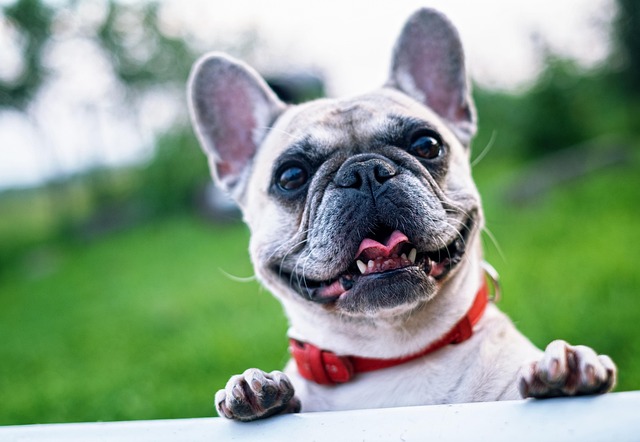
Most dog owners notice their pup scooting across the carpet at some point, but few connect it to impacted anal glands. These small sacs near a dog’s rectum secrete a scent for marking territory
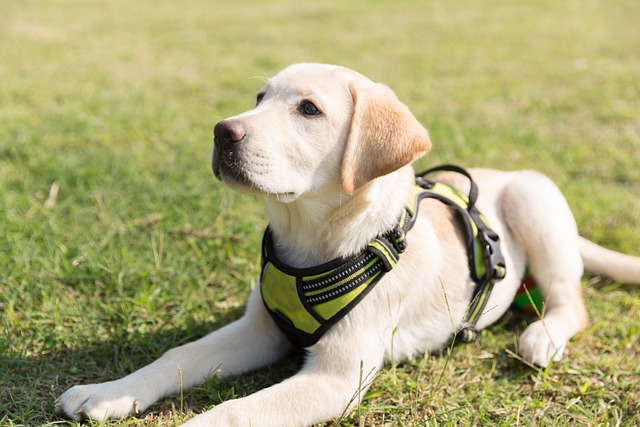
Most vets agree that regular dog teeth cleaning is key to avoiding painful dental issues later. For healthy adult dogs, a professional cleaning at the vet’s office every 12 to 18 months usually works well.