

How can I tell if my dog's heatstroke is serious
Let’s be real: It’s a sticky August morning in Los Angeles, and you took your 2-year-old Golden Retriever, Max, for a walk a little later than usual
That wiry coat and alert, bushy eyebrows make Miniature Schnauzers hard to resist—but their feisty personalities come with specific dietary needs that keep them healthy and energetic. These little dogs pack a lot of spunk into a small frame, and what you put in their bowl directly impacts their ability to chase squirrels, greet guests, and nap in sunbeams with that signature Schnauzer stubbornness.
Start with portion control—these pups love food, and their stocky build makes them prone to weight gain. A typical adult Mini needs about ½ to ¾ cup of high-quality dry kibble daily, split into two meals. Skip free-feeding; setting a schedule (say, 7 a.m. and 7 p.m.) helps with digestion and prevents begging, a common issue with this food-motivated breed. Look for formulas with real meat as the first ingredient—chicken, lamb, or fish—since they thrive on protein. Avoid brands heavy on fillers like corn or soy, which can cause skin issues, a problem Schnauzers are already susceptible to.
Treats are part of bonding, but choose wisely. Opt for small, low-calorie options like freeze-dried liver bits or carrot sticks—great for training without overdoing it. Steer clear of table scraps, especially fatty meats or onions, which are toxic to dogs. In places like Germany, where the breed originated, local regulations often emphasize balanced diets as part of responsible pet ownership, aligning with guidelines from organizations like the FCI.
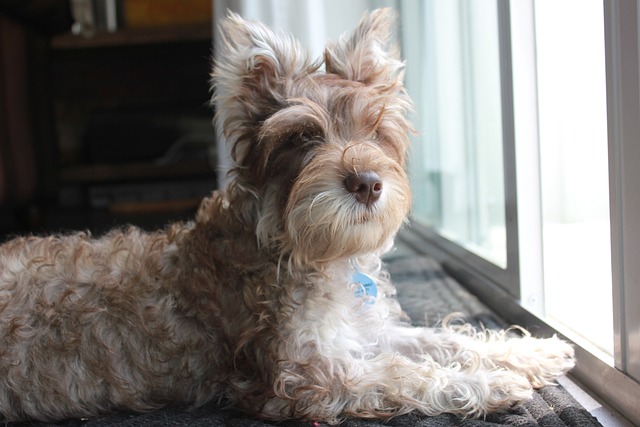 Puppies have different needs. From 8 to 12 weeks, feed them four small meals a day of puppy-specific kibble, gradually reducing to three meals by 6 months, then two by adulthood. Their growing bodies need extra nutrients like DHA for brain development, so check labels for puppy-formulated blends. A friend in Austria learned this the hard way—skipping puppy food led to her Mini’s stunted growth, a mistake vets see too often with first-time Schnauzer owners.
Watch for allergies. Schnauzers often react to grains, so if you notice excessive scratching or ear infections, talk to your vet about switching to a grain-free diet. Always transition new foods slowly, mixing 25% new with 75% old for the first two days, then increasing gradually to avoid upset stomachs. This is especially important in countries like the UK, where sudden dietary changes can lead to digestive issues that require vet visits—something local animal welfare laws encourage owners to prevent.
Senior Minis (8+) need adjustments too. Their metabolism slows, so switch to a senior formula with fewer calories but added joint support (glucosamine is a plus). They may also struggle with dental issues, so soaking kibble in warm water can make eating easier. Regular weigh-ins at the vet help track if you’re feeding the right amount—aim for a waistline you can feel when you run your hands along their sides.
Feeding a Miniature Schnauzer isn’t just about filling a bowl—it’s about fueling their unique spirit. When they’re getting the right nutrients, you’ll notice it in their shiny coat, playful zoomies, and that unshakable confidence that makes them such beloved companions. Stick to these guidelines, stay attuned to their needs, and you’ll have a happy, healthy Schnauzer by your side for years to come.
Let’s be real: It’s a sticky August morning in Los Angeles, and you took your 2-year-old Golden Retriever, Max, for a walk a little later than usual

You're enjoying a summer afternoon at the park when you notice your dog has stopped panting and appears disoriented - their gums are bright red

Let’s paint the picture: You’re in your Denver apartment, watching your 4-year-old Boston Terrier, Ruby, plop down mid-play session with her favorite toy

Many dog owners notice their pets nails seem shorter after regular walks,but how much does this daily activity actually help?The answer depends on where you walk—concrete sidewalks or asphalt streets gently file nails as a dog's paws hit the ground
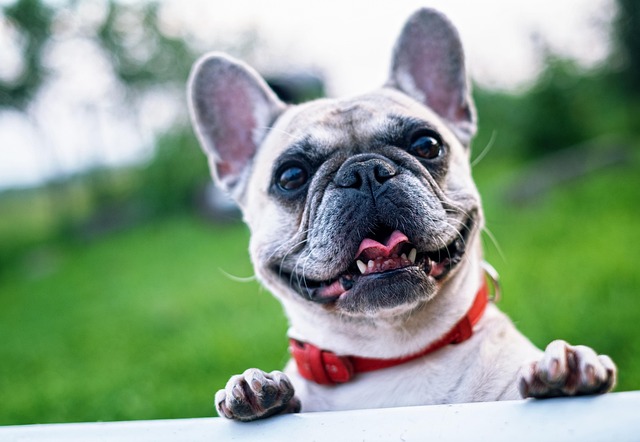
Most dog owners notice their pup scooting across the carpet at some point, but few connect it to impacted anal glands. These small sacs near a dog’s rectum secrete a scent for marking territory

Most vets agree that regular dog teeth cleaning is key to avoiding painful dental issues later. For healthy adult dogs, a professional cleaning at the vet’s office every 12 to 18 months usually works well.