

How do i train my dog to be obedient?
Watching your dog dart across the park ignoring your calls isn’t just frustrating—it can put them at risk near busy streets or public spaces.
That feeling of distance, where your dog seems hesitant to come when called or avoids eye contact, can be heartbreaking. Whether it’s due to a history of inconsistent training, a few stressful incidents, or simply a growing disconnect, the good news is that you can absolutely fix your relationship with your dog. Rebuilding this bond isn't about grand gestures; it's about consistent, trustworthy leadership built on patience and positive reinforcement. Think of it not as fixing something broken, but as laying a new foundation of mutual respect and security. For a dog living in a busy apartment complex, this sense of security is especially crucial, as they navigate close quarters with strangers and other pets daily.
The science behind this repair work is rooted in canine behavior and psychology. Dogs thrive on clear communication and predictable outcomes. When they learn that their actions consistently lead to positive results—like praise, treats, or play—their trust in you grows. This is why force-free, positive reinforcement training is the only method endorsed by modern animal behaviorists. Techniques that involve yelling, physical punishment, or dominance-based theories are not only culturally unacceptable in the U.S. and Europe, but they are also scientifically proven to damage your relationship, increase a dog's anxiety, and often lead to more behavioral issues. The goal is to become your dog’s safe harbor, not a source of fear.

Your action plan starts with a reset. Dedicate five to ten minutes each day to focused, positive training sessions. Use high-value treats like small pieces of chicken or cheese to teach basic cues like "sit," "stay," and a reliable recall. Keep these sessions short, fun, and always end on a successful note. This isn't just about obedience; it's about rebuilding a line of communication where your dog learns that listening to you is rewarding. Incorporate more engaging activities like scent work, where you hide treats around your apartment for them to find. This taps into their natural instincts and builds their confidence, showing them that you are the provider of good things. Pay close attention to their body language; if they seem stressed, give them space. Forcing interaction will only set you back.
This renewed focus on being a predictable and gentle leader naturally extends to your role in the community. A dog that trusts you is less anxious and more manageable on walks, which is essential for practicing good leash etiquette in shared spaces. This responsibility includes the non-negotiable basics: always carrying waste bags and cleaning up immediately. This is a simple act of respect for your neighbors and a legal requirement in virtually every American city. Furthermore, part of being a responsible owner is ensuring your dog’s rabies vaccination is meticulously kept up-to-date. This isn’t just a health measure; it’s the law and a fundamental part of your social contract as a pet owner. By combining this conscientious public behavior with your dedicated relationship-building at home, you’re not just creating a better-behaved dog—you’re building an unbreakable bond based on trust and mutual respect.
Watching your dog dart across the park ignoring your calls isn’t just frustrating—it can put them at risk near busy streets or public spaces.

New puppy owners often find themselves rushing to clean up accidents before they set in, and that’s where puppy pad training becomes a game-changer.
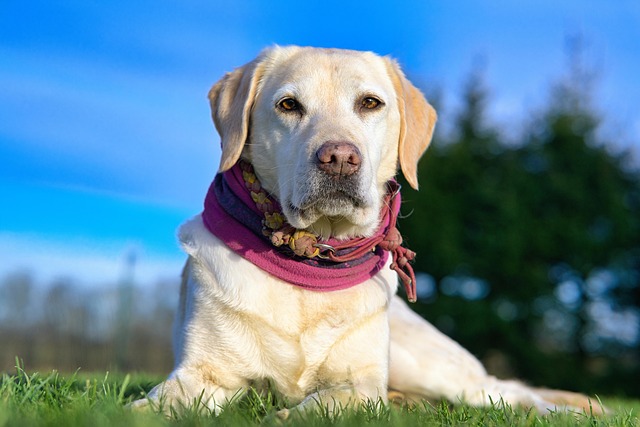
If you've noticed your dog's waistline disappearing and your veterinarian has mentioned those few extra pounds, your first instinct might be to simply reduce the amount of food in their bowl.

Training a dog to use a designated spot indoors isn’t as daunting as many new owners fear, but it does take consistency and an understanding of your pet’s needs.

That moment of dread on a walk is all too familiar for many new dog owners. You see another dog approaching down the sidewalk of your neighborhood
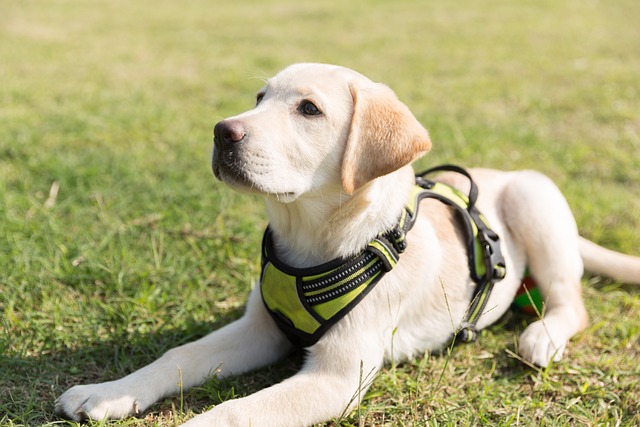
If the sight of another dog on your neighborhood walk makes your heart sink as your own dog erupts into a frenzy of barking and lunging, you're not alone.