
How do i train my dog to be obedient?
Watching your dog dart across the park ignoring your calls isn’t just frustrating—it can put them at risk near busy streets or public spaces.
Ever had that frustrating moment when your dog sniffs every blade of grass but refuses to do their business during a walk? Trust me, you’re not alone. There’s nothing more annoying than waiting 20 minutes for a poop, only to get home and find an unwanted surprise on the carpet. But with some patience and the right techniques, you can train your furry friend to make the most of their outdoor time.
First off, consistency is key. Dogs thrive on routine, so try to walk them around the same times each day. Many local regulations require cleaning up after your pet, and establishing a regular walk schedule helps you anticipate when they’ll need to go. Keep in mind that different regions have specific laws about waste disposal—using biodegradable bags is a must, and some areas even have designated waste stations.
The environment plays a huge role, too. Some dogs are picky about where they relieve themselves. Try exploring different routes to find spots that feel “right” to your dog. Pay attention to their body language: sniffing low to the ground, circling, or suddenly stopping are all telltale signs they’re about to go. When you notice these cues, stay calm and give them space—hovering or rushing them can make them hold it in.
 Positive reinforcement is a game-changer. Carry high-value treats like chicken or cheese and immediately reward your dog when they poop on the walk. Combine treats with enthusiastic praise and lots of belly rubs. Over time, your dog will associate outdoor bathroom breaks with good things. Just be sure to check local leash laws—while some areas allow off-leash time in designated zones, others require dogs to stay leashed at all times.
For stubborn pups, adding some extra exercise before the walk can help get things moving. A quick game of fetch or a few minutes of running in the yard can stimulate their digestive system. And if your dog is a rescue or new to your family, it might take some time for them to feel comfortable pooping outside. Building trust and gradually expanding their comfort zone is crucial.
Remember, every dog is different, so don’t get discouraged if it takes a few weeks to see results. With a little effort and lots of love, you’ll both enjoy stress-free walks—and cleaner carpets at home.
Watching your dog dart across the park ignoring your calls isn’t just frustrating—it can put them at risk near busy streets or public spaces.
New puppy owners often find themselves rushing to clean up accidents before they set in, and that’s where puppy pad training becomes a game-changer.
If you've noticed your dog's waistline disappearing and your veterinarian has mentioned those few extra pounds, your first instinct might be to simply reduce the amount of food in their bowl.

Training a dog to use a designated spot indoors isn’t as daunting as many new owners fear, but it does take consistency and an understanding of your pet’s needs.
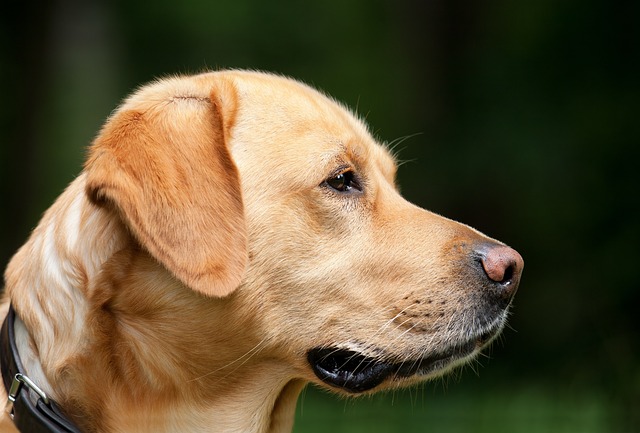
That moment of dread on a walk is all too familiar for many new dog owners. You see another dog approaching down the sidewalk of your neighborhood
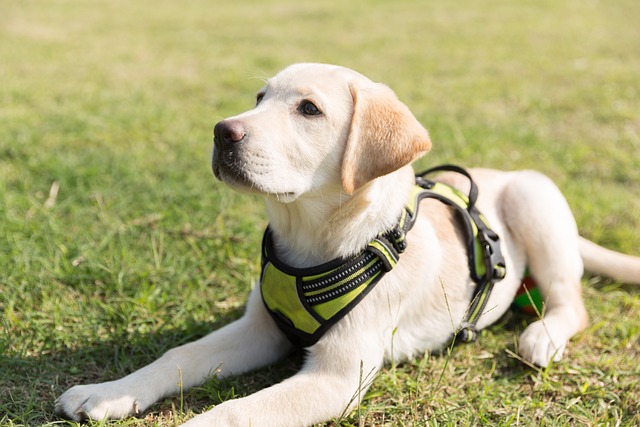
If the sight of another dog on your neighborhood walk makes your heart sink as your own dog erupts into a frenzy of barking and lunging, you're not alone.