
How do i train my dog to be obedient?
Watching your dog dart across the park ignoring your calls isn’t just frustrating—it can put them at risk near busy streets or public spaces.
Picture this: A Boston nor'easter howls outside your 10th-floor apartment, and your senior terrier paces anxiously by the door. Treat-based pad training failed – your dog ignores kibble rewards. Good news: treat-free pee pad training is possible by tapping into canine instincts and smart environmental design. While food motivates many dogs, alternatives exist for picky eaters or dogs with dietary restrictions.
Dogs naturally eliminate on absorbent, textured surfaces – it’s why puppies instinctively choose rugs over tile. Leverage this with scent-based potty training. Start by placing a soiled paper towel (from an outdoor potty trip) under a fresh pad. Confine your dog to a small zone like a laundry room using baby gates. Immediately after naps or meals, lead them silently to the pad on leash. Stand still like a tree – no eye contact or talking. When paws touch the pad, wait. The second they begin eliminating, use a soft marker word ("Good...") and lavish praise during the act, not after. This builds neurological connections between the pad and relief.
Consistency triumphs over treats. Maintain a rigid senior dog potty schedule (every 3-4 hours for elders). Use enzymatic cleaners like Rocco & Roxie on accidents – residual ammonia scent attracts repeat offenses. For texture-sensitive dogs, try grass-topped pads (PetMaker Artificial Grass Pad) or place real turf samples on pads. If accidents occur, interrupt gently with a neutral "Oops," then rush them to the pad. Never scold – stress causes submissive urination. Gradually expand access room-by-room over weeks, always keeping the original pad station. Pro tip: Place pads away from sleeping/eating areas – dogs naturally avoid soiling their dens.
Compliance alert: Even indoor-only dogs require current rabies vaccinations under US federal law. If using pads in shared apartment corridors (e.g., during fire drills), leash laws apply – no unleashed hallway dashes. Poop bag duty extends to indoor communal spaces; Boston and Seattle fine residents $250+ for waste left in shared laundry rooms. Choose low-odor pad solutions (e.g., Wee-Wee Disposable Pads with charcoal) and dispose in sealed bins – apartment etiquette demands odor control.
American animal welfare standards strictly forbid rubbing noses in accidents – studies show it increases anxiety-induced soiling. The AVSAB confirms praise + timing can rival food rewards when paired with instinct. For arthritic dogs, use non-slip pad holders and avoid cold basement locations. In studios, create a discrete potty station behind a room divider with washable mats underneath. Patience is key: Food-free training may take 6-8 weeks. Celebrate non-food wins – a 30-second belly rub or "find the toy" game post-potty reinforces behavior. Ultimately, you’re honoring your dog’s instincts while keeping your high-rise lifestyle harmonious.
Watching your dog dart across the park ignoring your calls isn’t just frustrating—it can put them at risk near busy streets or public spaces.
New puppy owners often find themselves rushing to clean up accidents before they set in, and that’s where puppy pad training becomes a game-changer.
If you've noticed your dog's waistline disappearing and your veterinarian has mentioned those few extra pounds, your first instinct might be to simply reduce the amount of food in their bowl.

Training a dog to use a designated spot indoors isn’t as daunting as many new owners fear, but it does take consistency and an understanding of your pet’s needs.
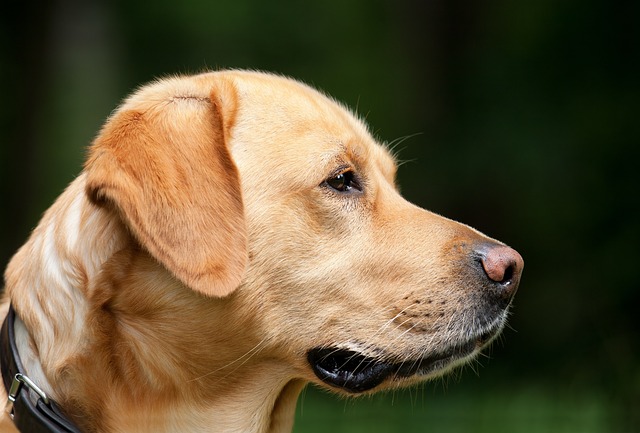
That moment of dread on a walk is all too familiar for many new dog owners. You see another dog approaching down the sidewalk of your neighborhood
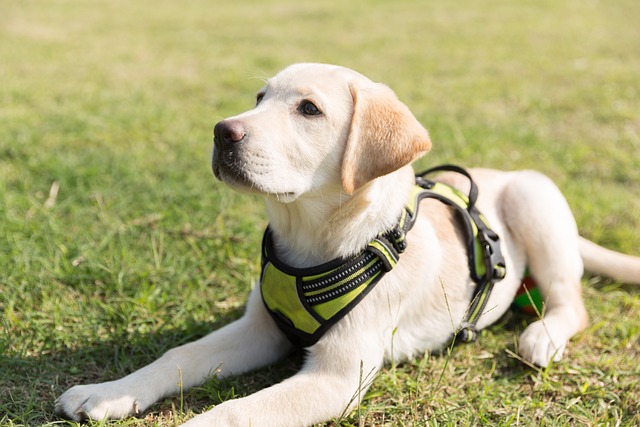
If the sight of another dog on your neighborhood walk makes your heart sink as your own dog erupts into a frenzy of barking and lunging, you're not alone.