
How can I tell if my dog's heatstroke is serious
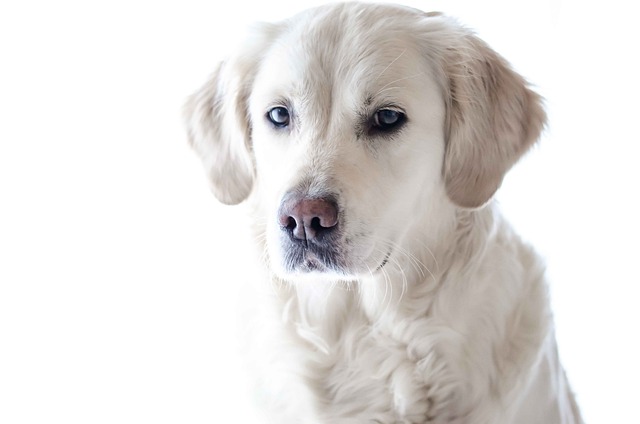
Let’s be real: It’s a sticky August morning in Los Angeles, and you took your 2-year-old Golden Retriever, Max, for a walk a little later than usual
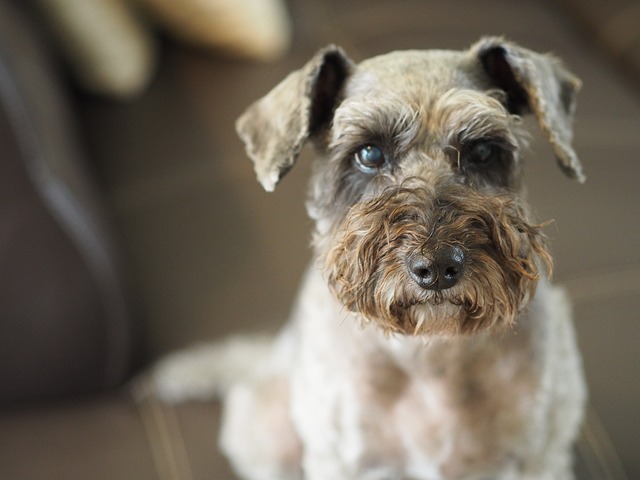
If you’ve just brought home a curly haired miniature schnauzer, you might be staring at their tight, wiry curls wondering where to start—those coats look cute, but they’re not like a straight-haired dog’s that just needs a quick brush. Curly schnauzer coats grow in dense, tangly clumps if ignored, and skipping grooming can lead to painful mats close to their skin. Plus, as a new owner, you’ll want to turn grooming into a positive time for both of you, not a fight.
First, let’s break down why their coat needs special care: curly haired miniature schnauzers have a double coat—soft underfur and a coarse outer coat that traps dirt, debris, even loose fur. This means regular brushing isn’t just for looks; it’s to prevent skin irritation or infections. Start with the right tools: a slicker brush for detangling and a metal comb to check for missed mats. Brush in small sections, starting from their belly (a sensitive spot) and moving up, using gentle strokes. If you hit a mat, don’t yank—use your fingers to loosen it first, then brush through slowly.
Bathing is another key step, but don’t overdo it—curly coats can dry out if washed too often, so stick to once every 4-6 weeks. Use a dog-specific shampoo (human shampoo is too harsh) and work it into a lather, focusing on areas that get dirty, like their paws and belly. After rinsing thoroughly, dry them with a towel first, then a low-heat hair dryer—make sure they’re completely dry, as damp fur leads to mats. If you’re nervous about trimming their coat, many owners take their schnauzers to a professional groomer every 8-10 weeks for a trim that keeps their curls neat.
Grooming time is also a great chance to check on your schnauzer’s overall health, which ties into staying compliant with local rules. While brushing, look for ticks (common in parks) or red spots on their skin—catching issues early helps keep vet visits smooth. Remember, in most U.S. neighborhoods, you’re required to clean up after your dog during walks, and keeping their coat groomed means less loose fur around your home, too. Never use punishment if your schnauzer fidgets during grooming; instead, offer tiny treats when they stay still—positive reinforcement builds trust, which makes future sessions easier.
Taking care of a curly haired miniature schnauzer’s coat doesn’t have to be overwhelming. With consistent, gentle grooming and a focus on making it a positive experience, you’ll keep their curls looking their best while bonding with your pup. Plus, staying on top of grooming helps you spot health issues early and follow local pet guidelines, making you a responsible owner in your community. Before you know it, grooming will feel like a natural part of your routine—one that both you and your schnauzer look forward to.
Let’s be real: It’s a sticky August morning in Los Angeles, and you took your 2-year-old Golden Retriever, Max, for a walk a little later than usual
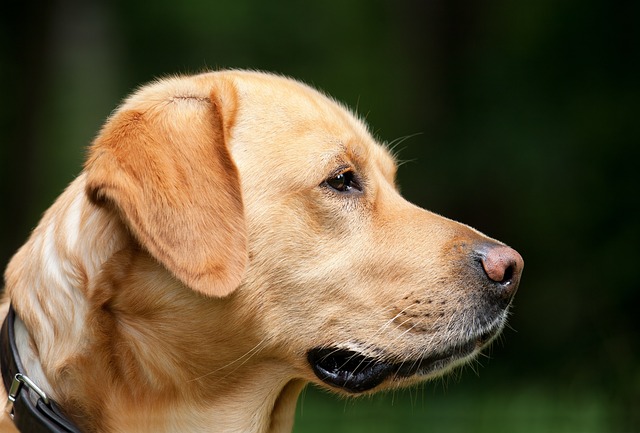
You're enjoying a summer afternoon at the park when you notice your dog has stopped panting and appears disoriented - their gums are bright red
Let’s paint the picture: You’re in your Denver apartment, watching your 4-year-old Boston Terrier, Ruby, plop down mid-play session with her favorite toy

Many dog owners notice their pets nails seem shorter after regular walks,but how much does this daily activity actually help?The answer depends on where you walk—concrete sidewalks or asphalt streets gently file nails as a dog's paws hit the ground
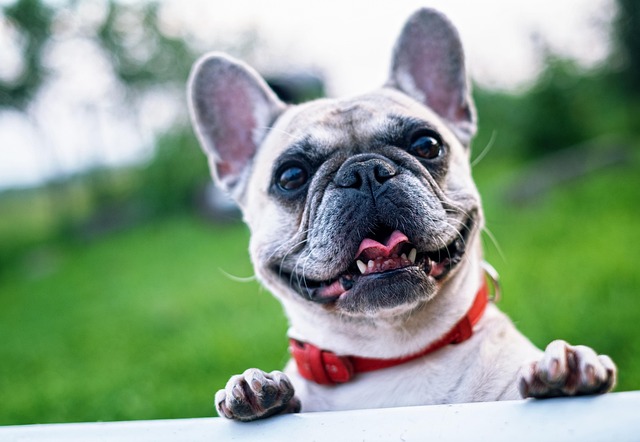
Most dog owners notice their pup scooting across the carpet at some point, but few connect it to impacted anal glands. These small sacs near a dog’s rectum secrete a scent for marking territory
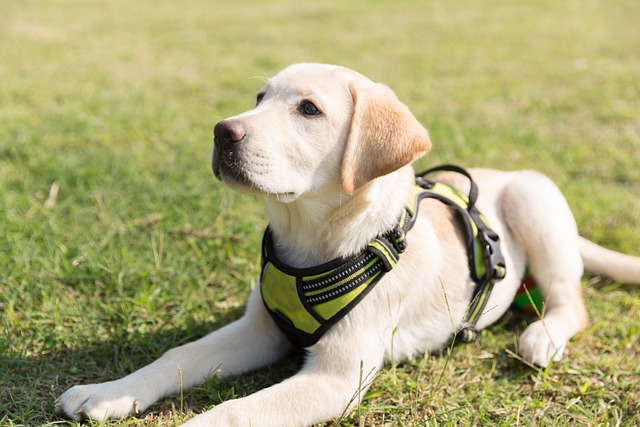
Most vets agree that regular dog teeth cleaning is key to avoiding painful dental issues later. For healthy adult dogs, a professional cleaning at the vet’s office every 12 to 18 months usually works well.