
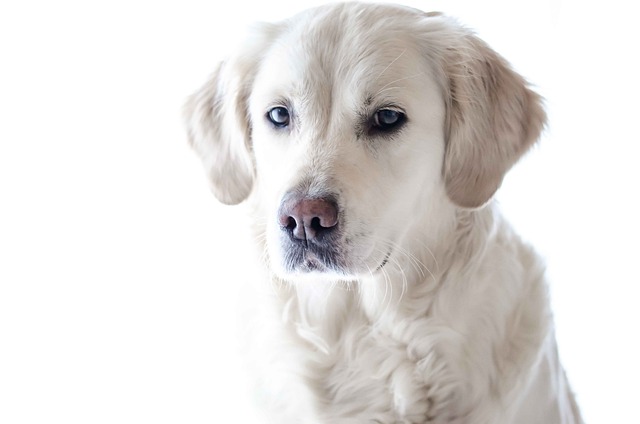
How can I tell if my dog's heatstroke is serious
Let’s be real: It’s a sticky August morning in Los Angeles, and you took your 2-year-old Golden Retriever, Max, for a walk a little later than usual
Grooming a senior dog can seem a bit daunting for new pet owners in the US and other parts of Europe and America. But it's super important for your furry friend's health and happiness. As dogs age, their bodies change, and so do their grooming needs.
As dogs get older, their skin becomes thinner and more sensitive. Their fur might get duller, and they could experience more matting. Mobility issues, like arthritis, are also common in senior dogs. Regular grooming helps keep their coat healthy, distributes natural oils, and allows you to spot any health problems early, such as lumps or skin irritations.
Let's start with brushing. Use a soft - bristle brush or a grooming glove. Gently brush your dog's fur in the direction it grows. For long - haired senior dogs, start from the ends and work your way up to avoid tugging. This helps remove dirt, loose hair, and prevents painful mats. If you encounter a mat, don't pull hard. Instead, use a detangling spray and carefully work it out.
When it comes to bathing, use lukewarm water and a mild, hypoallergenic dog shampoo. The warm water can be soothing for dogs with joint pain. Lift your dog into the bath gently, or use a ramp if they have trouble getting in. Be extra careful around their ears, eyes, and genitals. After the bath, pat them dry with a soft towel. Avoid using a blow - dryer on high heat, as it can dry out their sensitive skin.
Nail trimming is crucial. Long nails can make it painful for senior dogs to walk. Use dog - specific nail clippers, and be very careful not to cut the quick (the pink part inside the nail). If you're unsure, take your dog to a vet or a professional groomer for the first few trims to learn the right technique.
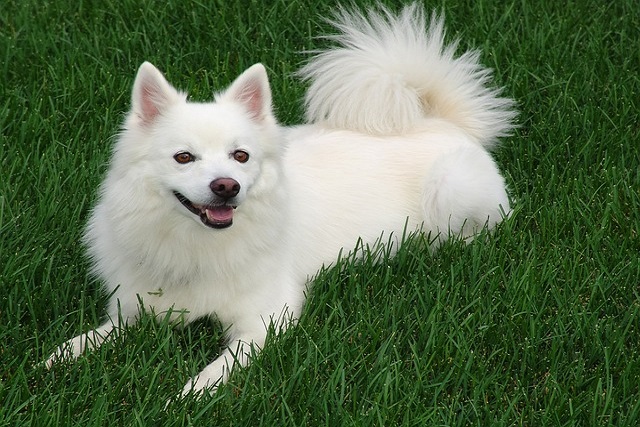
Now, let's talk about compliance. In the US, rabies vaccination is a must for all dogs. It's not only the law but also protects your dog and those around them. If you don't vaccinate your senior dog, you could face fines. Also, whenever you take your dog out in public, always clean up after them. Most public areas have poop - bag stations. Leaving your dog's waste behind is not only gross but can also lead to fines in many cities.
Culturally, never use physical punishment on your dog, especially a senior one. They respond much better to positive reinforcement. For example, if your dog stays still during grooming, give them a small treat and lots of praise. This positive approach is in line with the animal welfare culture in the West.
If you live in an apartment, be aware that senior dogs may bark more due to discomfort or cognitive issues. Try to soothe them and train them to be quiet using positive methods. When walking your senior dog in the community, keep them on a short leash, usually no longer than 6 feet. Be respectful of other people and their property. Don't let your dog approach others without permission.
In conclusion, grooming a senior dog requires a bit of patience and care, but it's well worth it to keep your old buddy healthy and happy. Just remember the compliance rules, respect the cultural norms, and you'll be a great pet parent.
Let’s be real: It’s a sticky August morning in Los Angeles, and you took your 2-year-old Golden Retriever, Max, for a walk a little later than usual
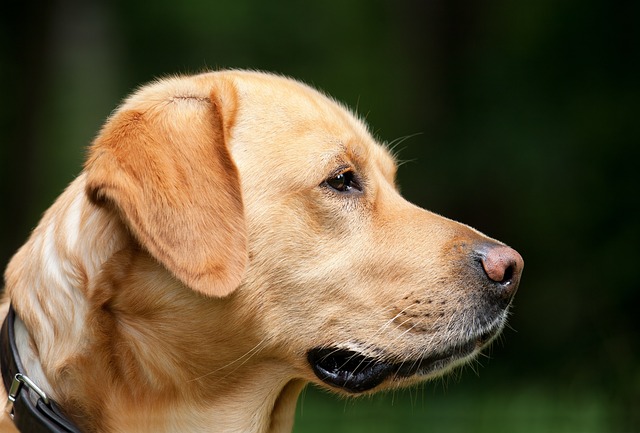
You're enjoying a summer afternoon at the park when you notice your dog has stopped panting and appears disoriented - their gums are bright red
Let’s paint the picture: You’re in your Denver apartment, watching your 4-year-old Boston Terrier, Ruby, plop down mid-play session with her favorite toy

Many dog owners notice their pets nails seem shorter after regular walks,but how much does this daily activity actually help?The answer depends on where you walk—concrete sidewalks or asphalt streets gently file nails as a dog's paws hit the ground
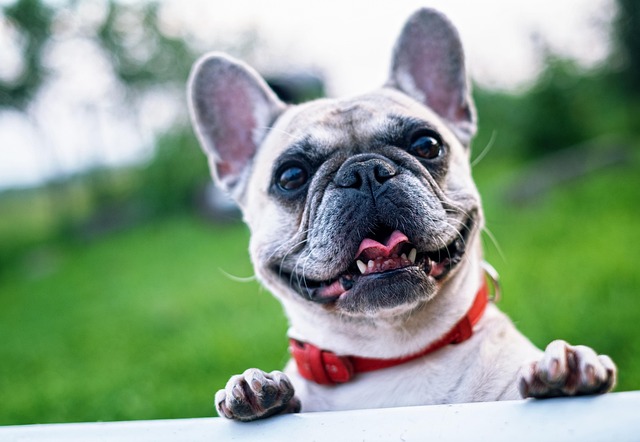
Most dog owners notice their pup scooting across the carpet at some point, but few connect it to impacted anal glands. These small sacs near a dog’s rectum secrete a scent for marking territory
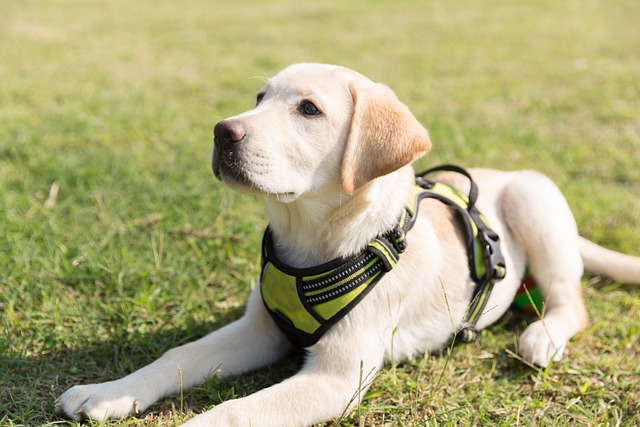
Most vets agree that regular dog teeth cleaning is key to avoiding painful dental issues later. For healthy adult dogs, a professional cleaning at the vet’s office every 12 to 18 months usually works well.