

How do i train my dog to be obedient?
Watching your dog dart across the park ignoring your calls isn’t just frustrating—it can put them at risk near busy streets or public spaces.
Seeing your rescue German Shepherd, Luna, cower when the elevator dings in your apartment building might make you wonder if she'll ever feel secure—but with patience and the right techniques, even profoundly fearful dogs can develop remarkable confidence. Canine fear typically stems from either genetic predisposition or inadequate socialization during the critical developmental window between 3-14 weeks, where negative experiences create neural pathways that perceive ordinary stimuli as threats. The confidence-building process works through systematic desensitization and counterconditioning—gradually exposing Luna to triggers at such low intensity that she remains calm while pairing the experience with high-value rewards like freeze-dried liver. This method literally rewires the brain's fear response over weeks or months, creating new positive associations where fear once existed. Culturally, American dog training ethics strictly prohibit forceful methods; dragging a fearful dog toward triggers or using punishment collars not only violates mainstream standards but often intensifies trauma responses, potentially crossing legal boundaries regarding animal welfare in states like Illinois where emotional distress is considered in cruelty cases.
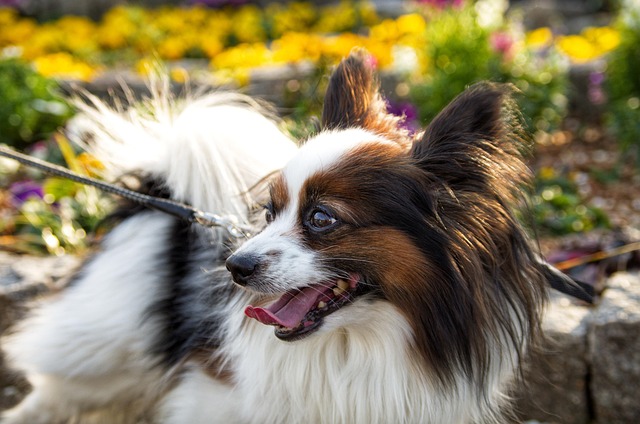
Begin by identifying specific triggers through careful observation—does Luna panic at tall men, loud noises, or sudden movements?—and establish what trainers call "threshold distance," the exact point where your dog notices a trigger but doesn't react fearfully. For apartment dwellers, this might mean playing recorded elevator sounds at barely audible volumes while scattering premium treats, gradually increasing volume over multiple sessions only when Luna remains relaxed. Create predictable daily routines that provide emotional security, as uncertainty exacerbates anxiety in fearful dogs. Implement confidence-building games like "find it" where you hide treats around your apartment, encouraging exploration and problem-solving in safe environments. Always let your dog retreat from scary situations rather than forcing interactions; this builds trust where coercion destroys it. Remember that progress isn't linear—setbacks are normal during confidence building, particularly after stressful incidents like encountering loud construction sites unexpectedly.
Practical confidence-building integrates with legal and social responsibilities. Maintain current rabies vaccinations—required nationwide—as fearful dogs may be more prone to defensive reactions if approached unexpectedly. During confidence-building walks in neighborhoods like Seattle's Queen Anne area, always carry waste bags; municipalities enforce cleanup ordinances with fines exceeding $125, and responsible ownership helps counter negative perceptions sometimes associated with anxious dogs. In multi-unit buildings, inform neighbors about your training efforts—this transparency often prevents complaints during controlled exposure sessions. Additionally, understand that fear-based barking might violate noise ordinances; addressing the root causes through positive training demonstrates commitment to being both a responsible owner and considerate neighbor within American community expectations.
Watching your dog dart across the park ignoring your calls isn’t just frustrating—it can put them at risk near busy streets or public spaces.

New puppy owners often find themselves rushing to clean up accidents before they set in, and that’s where puppy pad training becomes a game-changer.
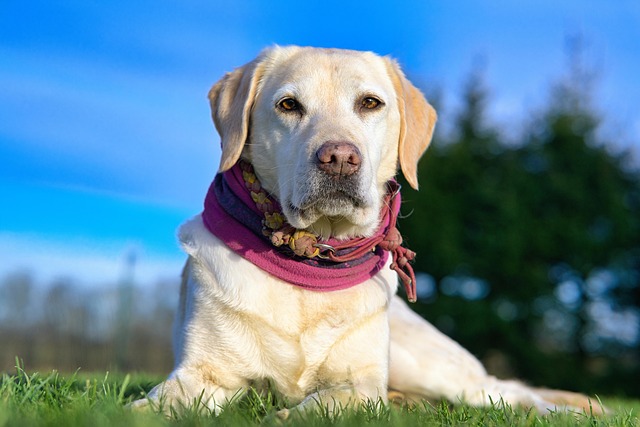
If you've noticed your dog's waistline disappearing and your veterinarian has mentioned those few extra pounds, your first instinct might be to simply reduce the amount of food in their bowl.

Training a dog to use a designated spot indoors isn’t as daunting as many new owners fear, but it does take consistency and an understanding of your pet’s needs.

That moment of dread on a walk is all too familiar for many new dog owners. You see another dog approaching down the sidewalk of your neighborhood
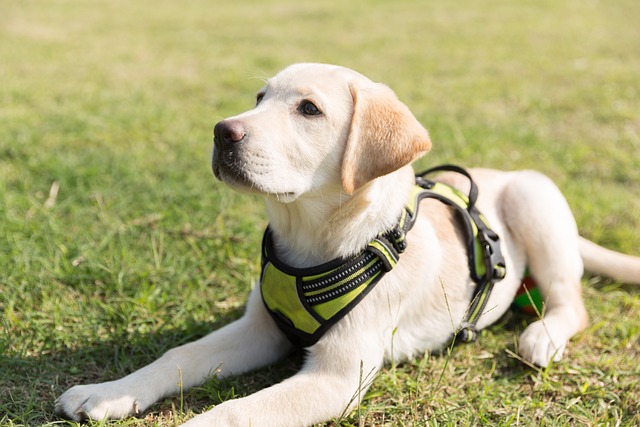
If the sight of another dog on your neighborhood walk makes your heart sink as your own dog erupts into a frenzy of barking and lunging, you're not alone.