

How can I tell if my dog's heatstroke is serious
Let’s be real: It’s a sticky August morning in Los Angeles, and you took your 2-year-old Golden Retriever, Max, for a walk a little later than usual
Watching your beloved Teddy dog struggle with extra weight isn't just about appearance; it's about their health, happiness, and longevity. That cuddly roundness might seem cute, but carrying excess pounds puts significant strain on their tiny joints, heart, and overall well-being. As responsible pet parents, especially in regions with strong animal welfare expectations like the EU, UK, US, and Canada, helping them achieve a healthy weight is a crucial act of love. Let's walk through how to do this safely and effectively, keeping their wagging tail at the heart of it.
First things first: consult your veterinarian. Seriously, don't skip this step. It's not just good advice; in many places, embarking on a significant dietary or exercise change without professional input could be seen as neglecting proper care. Your vet will rule out underlying medical conditions like hypothyroidism or Cushing's disease that can cause weight gain. They'll determine your Teddy's ideal weight – often surprisingly less than you might think for these small breeds – and create a personalized, safe weight loss plan. This professional oversight aligns perfectly with the duty of care emphasized in animal welfare legislation across Western nations.
Forget crash diets. Healthy weight loss for dogs, especially small ones like Teddys, needs to be gradual. Sudden, drastic calorie cuts can be dangerous, leading to nutrient deficiencies or hepatic lipidosis (a serious liver condition). Your vet will likely recommend a specific, portion-controlled diet. This might be a measured amount of their current food (if nutritionally appropriate), a veterinary weight management formula, or a carefully balanced homemade diet developed with your vet or a certified veterinary nutritionist. Be meticulous with portions. Use a proper measuring cup, not a scoop or guesswork. Remember, those pleading eyes after dinner? Stick to the plan. Every extra treat or scrap adds up quickly for a small dog. Check pet food labels carefully; compliance with AAFCO (in the US/Canada) or FEDIAF (in Europe) standards ensures nutritional adequacy, but calorie content varies hugely.

Treats are a big culprit. We love to spoil them! But those biscuits and chews pack calories. Shift the focus. Offer tiny pieces of low-calorie veggies like steamed green beans, broccoli florets, or baby carrots (ensure they are safe and cut appropriately). Use their regular kibble as training rewards throughout the day instead of adding extra calories. Portion out their daily treat allowance in the morning and stick to it. Remember, affection, playtime, or a short walk can be just as rewarding as a treat, often more so.
Exercise isn't just about burning calories; it's about mental stimulation and joint health, vital for preventing issues common in small breeds. Forget marathons! Start gently, especially if your Teddy is very overweight or older. Multiple short walks (10-15 minutes) spread throughout the day are far better than one long, exhausting trek. Let them sniff – it's mentally enriching! Gradually increase duration and pace as their fitness improves. Indoor play is fantastic too: gentle games of fetch down the hallway, hide-and-seek with toys, or using puzzle feeders to make mealtime active. Swimming can be excellent low-impact exercise if they enjoy water and it's safely accessible. Always be mindful of weather; Teddys can overheat easily or get too cold. In public spaces, adhere to local leash laws and clean-up ordinances – responsible pet ownership is non-negotiable.
Patience and consistency are your best friends. Healthy weight loss for a small dog might only be 1-2% of their body weight per week. Don't get discouraged if progress seems slow. Weigh them regularly (every 2-4 weeks) using the same scale – your vet's scale is often most accurate. Track their progress. Celebrate the non-scale victories too: more energy, easier time jumping onto the sofa (though maybe discourage that!), a shinier coat. It’s also vital to get everyone in the household on board. Explain why grandma secretly slipping table scraps or the kids sharing their cookies undermines the effort and impacts the dog's health. Consistency across all family members is key to success.
Reaching the goal weight is fantastic! But the work isn't over. Maintenance is critical to prevent rebound weight gain, which is frustrating and unhealthy. Your vet will advise on transitioning to a suitable maintenance diet and appropriate calorie intake. Keep monitoring their weight and body condition. Adjust food portions slightly if you notice creeping weight gain. Maintain those healthy exercise habits you've built together. Think of it as a permanent, positive lifestyle shift for your furry friend.
Helping your Teddy dog lose weight requires commitment, but the rewards are immense. You're giving them the gift of easier movement, reduced risk of serious diseases like diabetes or arthritis, potentially lower veterinary bills (a practical consideration!), and ultimately, more vibrant, joyful years by your side. It’s a profound expression of your love and commitment to their well-being, reflecting the high standards of responsible pet guardianship valued in our communities. Start that conversation with your vet today – your Teddy’s healthier, happier future awaits.
Let’s be real: It’s a sticky August morning in Los Angeles, and you took your 2-year-old Golden Retriever, Max, for a walk a little later than usual

You're enjoying a summer afternoon at the park when you notice your dog has stopped panting and appears disoriented - their gums are bright red

Let’s paint the picture: You’re in your Denver apartment, watching your 4-year-old Boston Terrier, Ruby, plop down mid-play session with her favorite toy

Many dog owners notice their pets nails seem shorter after regular walks,but how much does this daily activity actually help?The answer depends on where you walk—concrete sidewalks or asphalt streets gently file nails as a dog's paws hit the ground
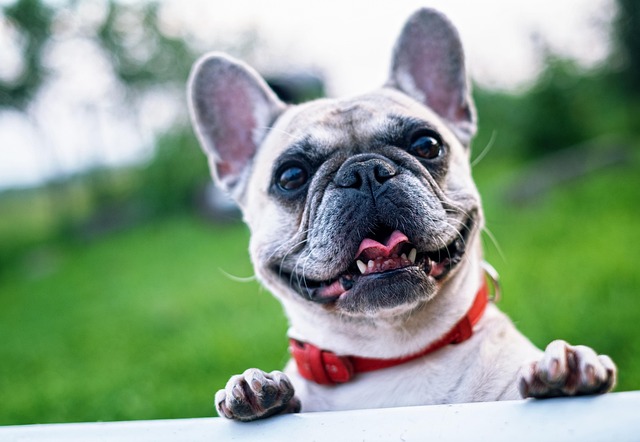
Most dog owners notice their pup scooting across the carpet at some point, but few connect it to impacted anal glands. These small sacs near a dog’s rectum secrete a scent for marking territory

Most vets agree that regular dog teeth cleaning is key to avoiding painful dental issues later. For healthy adult dogs, a professional cleaning at the vet’s office every 12 to 18 months usually works well.