
What is glaucoma in a dog?
You might notice your dog squinting more at mealtime or avoiding bright sunlight—these small changes could be early signs of a serious eye condition.
Finding a trail of loose stools across your living room rug is every new dog owner’s worst morning surprise. When your pup has diarrhea, the biggest worry isn’t just the mess—it’s dehydration. Diarrhea flushes out more than waste; it saps their body of water and important minerals that keep their hearts beating and muscles moving. Left unchecked, even a day of runny stools can leave small dogs weak, with dry gums or sunken eyes. But with the right steps, you can help them rehydrate safely, even when their tummies are upset.
Let’s start with the science: a dog losing fluids from diarrhea needs more than just water—they need to replace electrolytes, too. Think of it like when you have the flu: plain water doesn’t always cut it, and neither does it for them. The key is small, frequent sips to avoid overwhelming their upset stomach. My neighbor in Arizona learned this with her 8-month-old pit bull, Lola, who got diarrhea after eating table scraps. Instead of filling her bowl, she used a syringe (without the needle) to squirt 1-2 teaspoons of lukewarm water into Lola’s mouth every 15 minutes. After 2 hours, Lola started lapping from a shallow dish on her own. For extra electrolytes, vet-recommended oral rehydration solutions (look for ones labeled “for dogs”) work best—mix a little with water to make it easier on their stomach. Avoid human sports drinks; they’re too high in sugar and can make diarrhea worse.
Homemade options can help, too, as long as they’re gentle. Unsalted chicken broth (strained, no onions or garlic) mixed 50/50 with water is easy to digest—my cousin’s Shih Tzu, Momo, refused plain water but lapped this up when she was sick. Freezing the mixture into small ice cubes gives them something to lick slowly, which is less likely to cause vomiting. Keep portions tiny: a Chihuahua might only handle a tablespoon at a time, while a Golden Retriever can take a few more. And never force them to drink—stress will only make their tummy feel worse. If they turn away, try again in 10 minutes.
When it comes to care, remember: patience matters more than speed. If diarrhea lasts more than 24 hours, or if your dog is lethargic, vomiting, or has blood in their stool, call the vet right away—these could be signs of something serious, like parvovirus, which is why keeping up with puppy vaccines (required by law in all U.S. states) is so crucial. For apartment dwellers, clean messes quickly with pet-safe cleaners to avoid stains and keep your space hygienic—your neighbors will appreciate it. When walking, even if your dog is feeling better, always pack extra poop bags to clean up thoroughly; in cities like Philadelphia, leaving waste behind can cost you $300. And never scold your dog for accidents—they can’t help it, and fear will only add to their stress.
Hydrating a sick pup is about slow, steady care. With small sips, gentle fluids, and a little love, they’ll be back to chasing their tail in no time.
You might notice your dog squinting more at mealtime or avoiding bright sunlight—these small changes could be early signs of a serious eye condition.
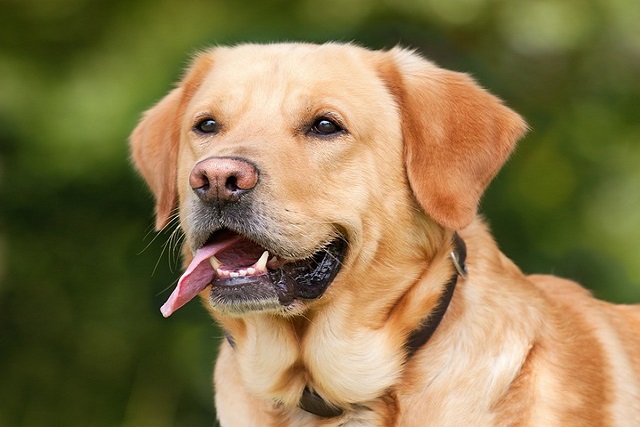
Let’s set the scene: It’s a sweltering Phoenix afternoon—105°F outside—and you rushed your 2-year-old Lab mix, Cooper, on a quick walk to “get it over with.”
Let’s get real: You’re in your Miami apartment, watching your 3-year-old Corgi, Loki, struggle to climb the stairs to your second-floor unit.
Many dog owners brush off occasional scratching as just “dog behavior,” but persistent itching often signals something more—like a food allergy.
You might first notice your dog scratching more than usual—chewing at their paws until the fur looks thin, or rubbing their face against the couch nonstop.
Let’s be real: You’re standing in your Chicago apartment, watching your 3-year-old Beagle, Max, huff and puff just to climb onto the couch.