
How do i train my dog to be obedient?
Watching your dog dart across the park ignoring your calls isn’t just frustrating—it can put them at risk near busy streets or public spaces.
Watching your dog struggle with bladder issues can feel like a gut - punch, right? Whether it’s little dribbles on the carpet or panicked whines in the middle of the night, it’s stressful for both of you. But before you reach for the medication, there are plenty of natural ways to strengthen your dog’s bladder control—and they’re easier than you might think.
First off, let’s talk about hydration. Yes, you read that right. While it might seem counterintuitive, ensuring your dog drinks enough water actually helps flush out their urinary tract. Think of it like a car wash for their insides. But here’s the catch: spread out their water intake throughout the day. A big gulp right before bedtime? That’s a recipe for nighttime accidents. Aim for consistent sipping, and always follow local leash and clean - up laws when taking them out for those extra pee breaks.
Diet plays a massive role too. Feeding your pup a balanced, high - fiber diet is like building a strong foundation for their bladder. Foods like pumpkin puree (plain, no spices!) or sweet potatoes can regulate digestion and support bladder health. And if you’re considering supplements, consult your vet first—some herbal remedies might interact with other medications, and you want to stay on the safe side of pet care regulations.
 Exercise isn’t just for burning off zoomies; it’s key for bladder control. Regular walks, playtime in the yard, or even a game of fetch strengthen the muscles around your dog’s bladder. Just remember, in many areas, public spaces have rules about off - leash play. Keep your dog safe and legal while getting that much - needed activity.
Training is another powerful tool. Crate training isn’t about confinement; it’s about teaching your dog to hold it. Dogs instinctively avoid soiling their den, so a properly sized crate can be a game - changer. Pair it with a consistent schedule—take them out first thing in the morning, after meals, and before bed. Positive reinforcement, like treats and belly rubs, works wonders too.
Finally, don’t underestimate the power of routine. Dogs thrive on predictability. Establishing set feeding, walking, and potty times helps their body learn when it’s okay to “go.” And if issues persist despite your best efforts, it’s crucial to consult a professional. Remember, local animal welfare laws protect your dog’s well - being, and seeking veterinary advice is part of being a responsible pet parent.
With patience and these natural strategies, you’ll be on your way to a drier home and a happier, healthier pup. After all, a little extra effort now means more snuggles and fewer messes in the future.
Watching your dog dart across the park ignoring your calls isn’t just frustrating—it can put them at risk near busy streets or public spaces.
New puppy owners often find themselves rushing to clean up accidents before they set in, and that’s where puppy pad training becomes a game-changer.
If you've noticed your dog's waistline disappearing and your veterinarian has mentioned those few extra pounds, your first instinct might be to simply reduce the amount of food in their bowl.

Training a dog to use a designated spot indoors isn’t as daunting as many new owners fear, but it does take consistency and an understanding of your pet’s needs.
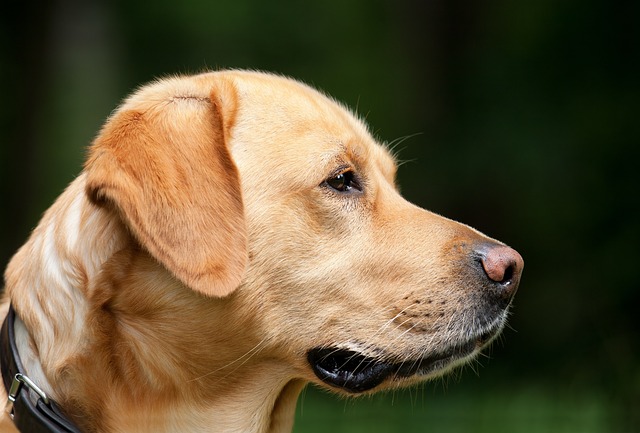
That moment of dread on a walk is all too familiar for many new dog owners. You see another dog approaching down the sidewalk of your neighborhood
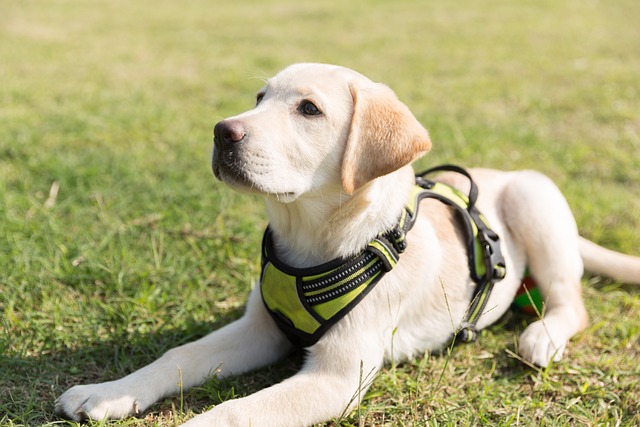
If the sight of another dog on your neighborhood walk makes your heart sink as your own dog erupts into a frenzy of barking and lunging, you're not alone.