

How can I tell if my dog's heatstroke is serious
Let’s be real: It’s a sticky August morning in Los Angeles, and you took your 2-year-old Golden Retriever, Max, for a walk a little later than usual
Imagine you’re in Austin, Texas, stepping outside with your 1-year-old Golden Retriever mix for a midday walk—within 5 minutes, he’s panting like a racehorse, his tongue hanging so low it nearly drags the sidewalk. The scorching 95°F heat feels like a blanket, and you panic: “How do I keep my dog cool in hot weather?” For new U.S. dog owners, summer days in the South (or anywhere temps top 85°F) can be scary, but keeping your pup safe is simpler than it seems—with tricks that fit apartment life and community routines.
First, let’s break down why dogs overheat so easily: Unlike humans, who sweat through skin, dogs only cool down by panting and sweating a tiny bit through their paw pads. Their bodies trap heat faster, especially flat-faced breeds (like Pugs or Bulldogs) or heavy-coated ones (like Huskies). A dog’s normal temp is 100.5–102.5°F; hit 104°F, and they’re at risk for heat exhaustion—symptoms like drooling, wobbly legs, or vomiting. My neighbor’s Lab once got overheated at the park last summer; she had to pour cool water on his belly and rush him to the vet. The key? Prevent overheating before it starts—don’t wait for signs.
Here’s how to keep your pup cool, whether you’re in an apartment or out walking: For apartments (where AC might not reach every room), lay a frozen ice pad (you can make one with a wet towel in the freezer!) on his bed—reward him with a tiny freeze-dried chicken treat when he lies on it; this positive reinforcement teaches him to use it, no scolding needed (punishment stresses him out, making him hotter, which goes against U.S. animal welfare norms). Keep curtains closed to block the sun, and set up a box fan near his water bowl—fresh, moving air helps. When you walk, stick to early mornings (before 8 a.m.) or evenings (after 7 p.m.)—avoid concrete or asphalt at noon; test it with your hand: if it’s too hot for you, it’s too hot for his paws. Bring a foldable water bowl and offer sips every 10 minutes—never force him to walk if he slows down.
Don’t let summer heat skip U.S. rules and community manners. Every state, including Texas, requires dogs over 4 months old to have an up-to-date rabies vaccine—skipping this to prioritize “cooling gear” is illegal (fines up to $300) and risky. When you take him to the community park, always carry biodegradable poop bags: Austin fines $150 for leaving waste behind, and hot weather makes messes smell faster (neighbors will thank you). In your apartment building, avoid using public hallways for “cooling breaks”—keep your pup in your unit to not disturb others. If you see a stray or neighbor’s dog left in a hot car, call local animal control (most U.S. cities have 24/7 hotlines)—it’s not just kind, it’s often required by law.
At its core, keeping a dog cool in hot weather is about being proactive: cool spaces at home, safe walk times, and following local laws. With these steps, you’ll both enjoy summer—whether you’re lounging on the apartment floor with an ice pad or strolling the park at dusk.
Let’s be real: It’s a sticky August morning in Los Angeles, and you took your 2-year-old Golden Retriever, Max, for a walk a little later than usual
You're enjoying a summer afternoon at the park when you notice your dog has stopped panting and appears disoriented - their gums are bright red
Let’s paint the picture: You’re in your Denver apartment, watching your 4-year-old Boston Terrier, Ruby, plop down mid-play session with her favorite toy

Many dog owners notice their pets nails seem shorter after regular walks,but how much does this daily activity actually help?The answer depends on where you walk—concrete sidewalks or asphalt streets gently file nails as a dog's paws hit the ground
Most dog owners notice their pup scooting across the carpet at some point, but few connect it to impacted anal glands. These small sacs near a dog’s rectum secrete a scent for marking territory
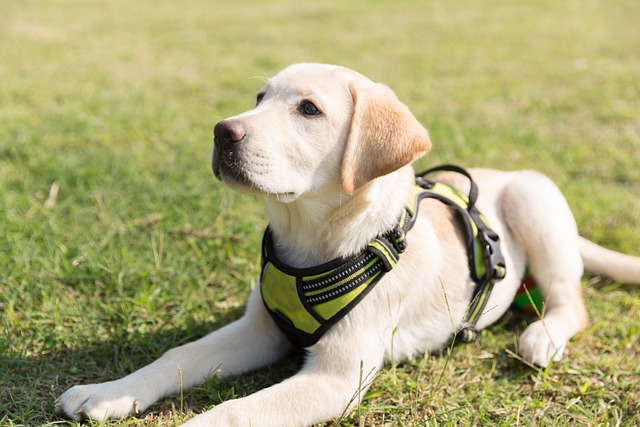
Most vets agree that regular dog teeth cleaning is key to avoiding painful dental issues later. For healthy adult dogs, a professional cleaning at the vet’s office every 12 to 18 months usually works well.