
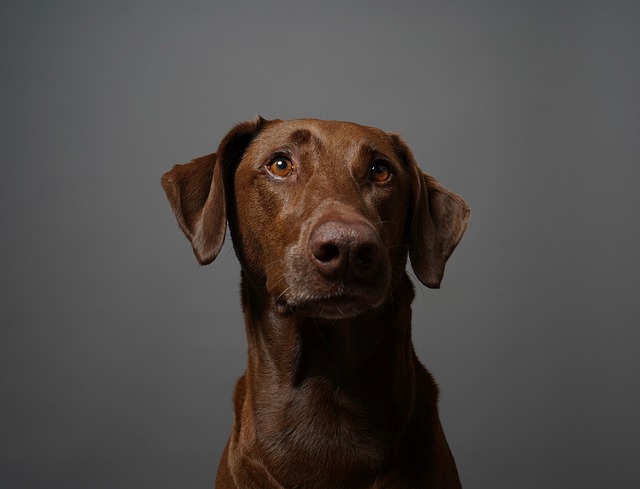
What is glaucoma in a dog?
You might notice your dog squinting more at mealtime or avoiding bright sunlight—these small changes could be early signs of a serious eye condition.
Labrador Retrievers are known for their floppy ears, which, while adorable, can create the perfect environment for ear infections. The warm, moist space beneath those ears is a breeding ground for bacteria and yeast, making Labs particularly prone to ear issues. Recognizing the lab ear infection signs early is crucial—left untreated, infections can lead to chronic pain, hearing loss, or even more severe complications. Unlike humans, dogs can’t tell us when something’s wrong, so it’s up to owners to spot the subtle signs before the problem escalates.
Most pet owners are familiar with the obvious symptoms: excessive scratching at the ears, frequent head shaking, or visible redness inside the ear canal. These are classic lab ear infection signs that shouldn’t be ignored. But sometimes, the discomfort isn’t as blatant. A Lab might tilt its head slightly more than usual or rub its face against furniture in an attempt to relieve pressure. Even a mild odor—often described as musty or yeasty—can be an early indicator that something’s off. These signals might seem minor, but they’re your dog’s way of saying, "Hey, this doesn’t feel right."
Behavioral changes can be some of the most telling yet overlooked signs of ear trouble. A typically playful Lab might suddenly lose interest in fetch or become unusually irritable, especially when touched near the ears. Some dogs develop balance issues, stumbling or walking in circles—a sign that the infection could be affecting their inner ear. Others may whimper or shy away from affection, not because they’re being moody, but because they’re in pain. These behavioral symptoms of ear infection in dogs often fly under the radar, mistaken for temporary quirks rather than red flags.
Beyond the obvious redness and scratching, there are subtler physical clues. A slight discharge—clear, yellow, or even brown—might appear, sometimes accompanied by crusting around the ear flap. The skin inside the ear could look thicker than usual, or the ear itself might feel warmer to the touch. Some Labs develop a habit of holding one ear slightly lower than the other, a small but meaningful shift in posture. These early indicators of ear infections in Labs are easy to miss during a quick glance, which is why regular, careful inspections are so important.
Checking your Lab’s ears at home doesn’t have to be stressful—for you or your dog. Start by gently lifting the ear flap and examining the outer area in good light. Look for any redness, swelling, or unusual discharge. A healthy ear should be pale pink, with minimal wax and no strong odor. If you’re unsure, use a flashlight (never insert it into the ear canal) to get a better view. For dogs who are nervous, pair ear checks with treats to create positive associations. Remember, if your Lab pulls away or seems painful, stop immediately—forcing an exam can worsen the issue.
While mild symptoms might resolve with proper cleaning, certain signs demand a vet’s attention. If your Lab’s ear is swollen shut, bleeding, or producing pus, skip the home remedies and seek professional help. The same goes for dogs showing neurological symptoms like severe imbalance or disorientation—these could indicate a deep infection affecting the middle or inner ear. Chronic or recurring ear infections also warrant a deeper investigation, as they might point to allergies, hormonal imbalances, or anatomical issues that need specialized care.
Prevention is always better than treatment, especially for a breed as ear-infection-prone as the Labrador. Regular cleaning with a vet-approved solution helps remove excess wax and debris before they become problematic. After swimming or baths, always dry your Lab’s ears thoroughly—a quick wipe with a soft cloth can make a big difference. For dogs with allergies (a common culprit behind ear infections), work with your vet to manage flare-ups through diet or medication. And don’t forget routine grooming: keeping the hair around the ear canal trimmed improves airflow, reducing the dampness that infections thrive in.
You might notice your dog squinting more at mealtime or avoiding bright sunlight—these small changes could be early signs of a serious eye condition.

Let’s set the scene: It’s a sweltering Phoenix afternoon—105°F outside—and you rushed your 2-year-old Lab mix, Cooper, on a quick walk to “get it over with.”

Let’s get real: You’re in your Miami apartment, watching your 3-year-old Corgi, Loki, struggle to climb the stairs to your second-floor unit.
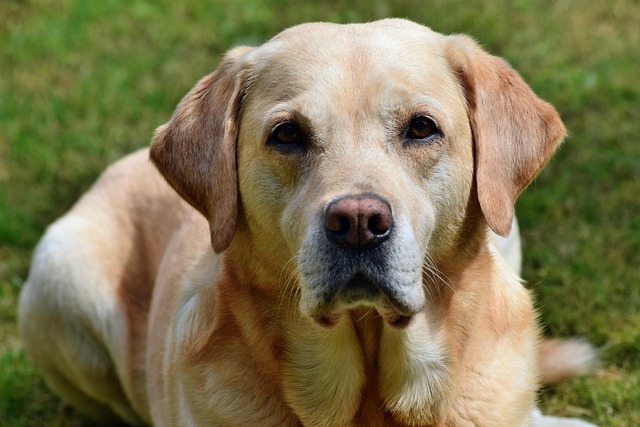
Many dog owners brush off occasional scratching as just “dog behavior,” but persistent itching often signals something more—like a food allergy.
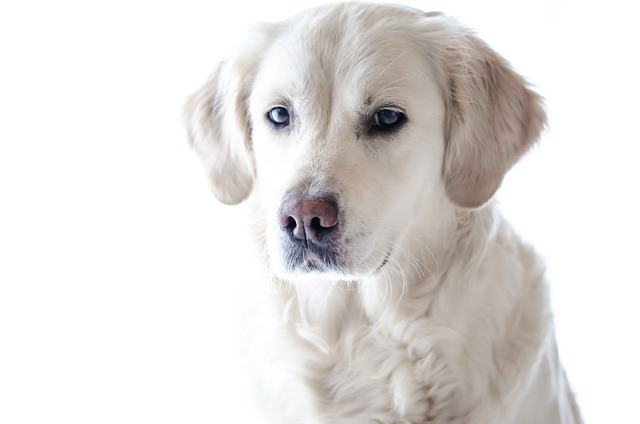
You might first notice your dog scratching more than usual—chewing at their paws until the fur looks thin, or rubbing their face against the couch nonstop.

Let’s be real: You’re standing in your Chicago apartment, watching your 3-year-old Beagle, Max, huff and puff just to climb onto the couch.