
How can I tell if my dog's heatstroke is serious
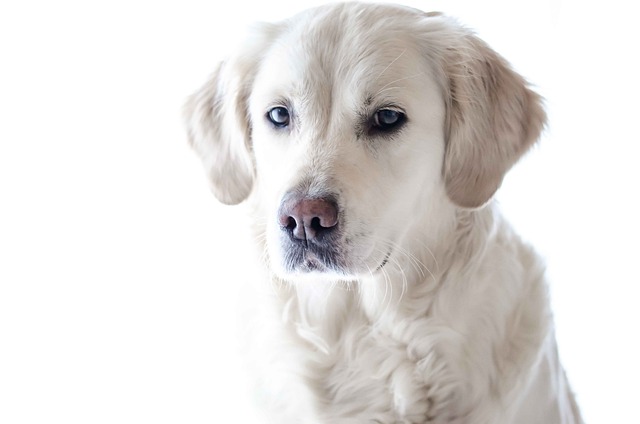
Let’s be real: It’s a sticky August morning in Los Angeles, and you took your 2-year-old Golden Retriever, Max, for a walk a little later than usual
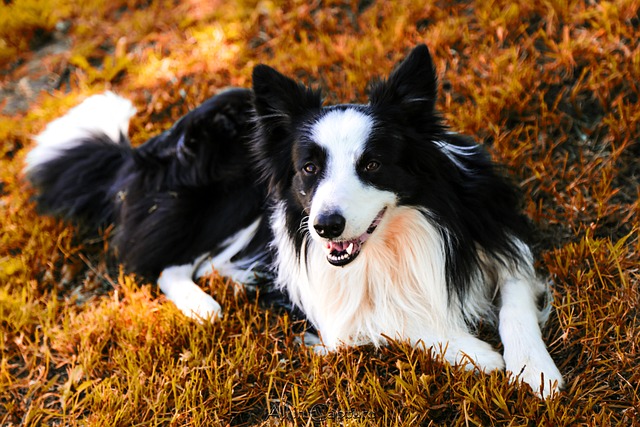
It’s a humid July afternoon in Atlanta, and your border collie, Mia, is lying flat on the bathroom tile, tongue lolling, instead of chasing her ball like usual. The air feels thick, and when you step outside, the pavement radiates heat—too hot to walk barefoot. Mia’s ears are warm to the touch, and she huffs when you rattle her toy box. Hot weather isn’t just uncomfortable for dogs; it can be dangerous if you don’t adjust their care. Let’s break down how to keep them cool, safe, and happy when the mercury rises.
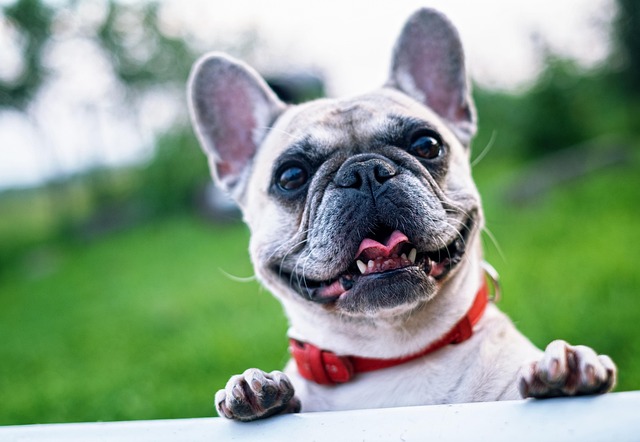
Dogs cool down primarily by panting—their bodies release heat through rapid breathing—and a little through their paw pads. Unlike humans, they can’t sweat across their skin, which makes them far more prone to overheating. Breeds with thick double coats (think huskies, golden retrievers) trap heat like a winter jacket, while flat-faced dogs (pugs, bulldogs) struggle because their short snouts make panting less efficient. A vet in Savannah calls it “thermal stress”: when temperatures hit 85°F, their normal body temp (101–102.5°F) can spike, leading to heat exhaustion. Signs to watch for? Excessive drooling, wobbly legs, or a tongue turning bright red—these mean it’s time to cool them down fast.
Start with hydration: keep fresh water in ceramic bowls (they stay cooler than plastic) in multiple spots—by their bed, the couch, and near their favorite window. Add ice cubes for a “cool treat” they’ll lap up. Create “chill zones” in your home: lay a damp towel or a gel cooling mat in a shaded corner (avoid sunny spots—carpet gets hotter than tile). For extra relief, freeze a Kong with yogurt and blueberries—Mia will spend 20 minutes licking it, distracted from the heat. Grooming helps too: brush double-coated breeds daily to remove loose fur (trapped hair holds heat), but skip close shaves—their fur protects skin from sunburn, like a natural sunscreen.
Adjust their routine to beat the heat. Walk them before 7 a.m. or after 8 p.m., when pavement is cool (test it with your palm—if it burns you, it’ll burn their paws). Stick to grassy trails instead of concrete, and keep walks short (15–20 minutes) to avoid overexertion. In apartments, close blinds during the day to block sun and run a fan or AC (75°F is ideal). When friends visit, ask them not to play rough—excitement raises their body temp. My neighbor in Austin does “indoor brain games” with her lab, Max, hiding treats under cups to keep him busy without overheating.
Don’t forget the basics: keep Mia’s rabies vaccine current (required by law in all states) and always carry poop bags on walks (Atlanta fines $175+ for skipping this). Never leave her in a parked car—temperatures hit 120°F in 10 minutes, even with windows cracked. If she pants excessively or seems weak, move her to shade, wet her paws with cool (not cold) water, and call your vet. And remember: positive reinforcement works here too—praise her when she drinks water or lies on her cooling mat, so she learns “staying cool = good things.”
By evening, Mia’s tail wags as she laps her ice water, ready for a gentle sunset walk. Hot weather doesn’t have to stop your bond—with a little planning, you’ll both enjoy the summer, safe and comfortable.
Let’s be real: It’s a sticky August morning in Los Angeles, and you took your 2-year-old Golden Retriever, Max, for a walk a little later than usual
You're enjoying a summer afternoon at the park when you notice your dog has stopped panting and appears disoriented - their gums are bright red
Let’s paint the picture: You’re in your Denver apartment, watching your 4-year-old Boston Terrier, Ruby, plop down mid-play session with her favorite toy

Many dog owners notice their pets nails seem shorter after regular walks,but how much does this daily activity actually help?The answer depends on where you walk—concrete sidewalks or asphalt streets gently file nails as a dog's paws hit the ground
Most dog owners notice their pup scooting across the carpet at some point, but few connect it to impacted anal glands. These small sacs near a dog’s rectum secrete a scent for marking territory
Most vets agree that regular dog teeth cleaning is key to avoiding painful dental issues later. For healthy adult dogs, a professional cleaning at the vet’s office every 12 to 18 months usually works well.