

How do i train my dog to be obedient?
Watching your dog dart across the park ignoring your calls isn’t just frustrating—it can put them at risk near busy streets or public spaces.
Teacup puppies, with their tiny frames and delicate bladders, need a potty training approach that’s as gentle as it is consistent. Start by mapping their schedule—these little ones can’t hold it long, so take them out first thing in the morning, right after meals, and before bed. A good rule? Every 30 minutes to an hour, especially if they’ve been playing or napping.
Choose a designated spot in your yard or a nearby patch of grass. The scent will help them recognize where to go, but remember: many cities in Europe and North America have strict rules about cleaning up after pets. Always carry biodegradable bags—fines for leaving waste can be steep, even for small breeds.
Watch for signs they need to go: circling, sniffing, or pacing. When you see these, scoop them up (gently—their bones are fragile) and head to their spot. Once they go, praise them warmly—short, excited phrases work best. A tiny treat (made for toy breeds) can reinforce good behavior, but don’t overdo it—their tummies are small.
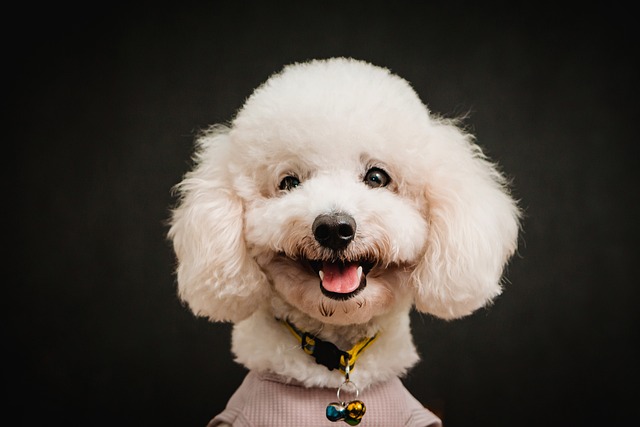 Accidents will happen, especially in the first few weeks. Never scold or hit them; fear can slow training and damage trust. Instead, clean the area thoroughly with an enzymatic cleaner to remove odors—if they smell their mistake, they might repeat it. Avoid ammonia-based cleaners, which can smell like urine to dogs.
Crate training can help, but the crate must be the right size—just big enough for them to stand, turn around, and lie down. Teacups feel vulnerable in large spaces, so a cozy crate can become a safe haven. Never leave them crated for more than an hour or two at a time—their bladders can’t handle longer stretches.
Remember, teacup breeds mature slower than larger dogs, so patience is key. Some might take 4-6 months to be fully reliable. Stay consistent with their schedule, and adjust as they grow—older puppies can hold it a bit longer. Check local laws, too—some areas require licenses for even small dogs, and public potty rules vary by city.
With time, consistency, and lots of love, your teacup puppy will learn where to go. The bond you build during these training sessions will last a lifetime—and make those accident-free days feel even more rewarding.
Watching your dog dart across the park ignoring your calls isn’t just frustrating—it can put them at risk near busy streets or public spaces.

New puppy owners often find themselves rushing to clean up accidents before they set in, and that’s where puppy pad training becomes a game-changer.

If you've noticed your dog's waistline disappearing and your veterinarian has mentioned those few extra pounds, your first instinct might be to simply reduce the amount of food in their bowl.

Training a dog to use a designated spot indoors isn’t as daunting as many new owners fear, but it does take consistency and an understanding of your pet’s needs.
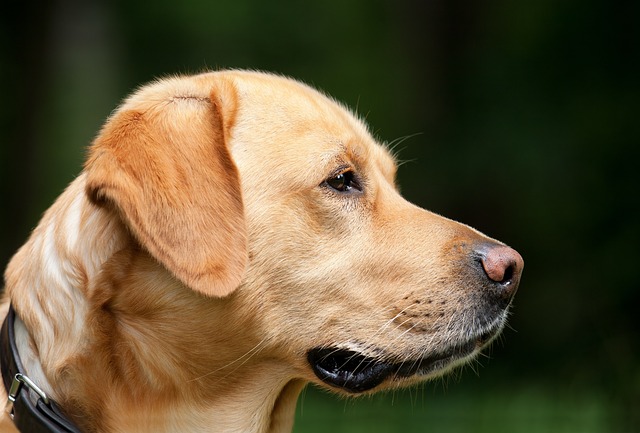
That moment of dread on a walk is all too familiar for many new dog owners. You see another dog approaching down the sidewalk of your neighborhood
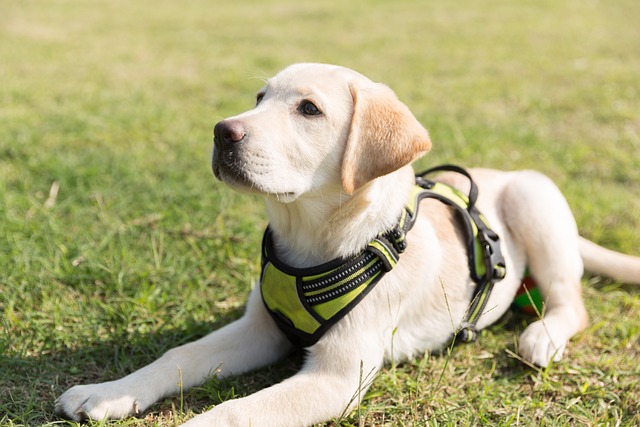
If the sight of another dog on your neighborhood walk makes your heart sink as your own dog erupts into a frenzy of barking and lunging, you're not alone.