

How can I tell if my dog's heatstroke is serious
Let’s be real: It’s a sticky August morning in Los Angeles, and you took your 2-year-old Golden Retriever, Max, for a walk a little later than usual
Watching your dog repeatedly paw at its eyes is a heart - stopping moment. Those frantic scratches can quickly lead to painful injuries or even vision loss. Understanding what drives this behavior and how to stop it before disaster strikes is crucial for every dog owner.
Allergies often lie at the root of excessive eye scratching. Pollen, dust mites, or certain foods can trigger an itchy reaction. Just like humans rubbing their eyes during hay fever season, dogs instinctively scratch to find relief. But their sharp claws turn a minor annoyance into a serious health risk in seconds.
Long - haired breeds face a unique challenge. Stray fur constantly brushing against the eyes becomes an irritant. Breeds like Shih Tzus or Maltese with flowing manes require daily grooming to keep hair away from sensitive areas. Neglecting this routine not only causes discomfort but also violates animal welfare standards that mandate proper care for a pet's physical needs.
Eye infections or injuries act as invisible tormentors. A tiny speck of dirt lodged under the eyelid or a bacterial invasion can cause intense itching. What starts as a few casual scratches can escalate into a full - blown attempt to relieve the agony, risking corneal ulcers or other permanent damage.
 Preventive grooming is the first line of defense. Regularly trimming the hair around your dog's eyes creates a buffer zone. Using blunt - tipped pet scissors and gentle restraint, you can keep stray strands from becoming scratch - inducing nuisances. For dogs prone to matting, a trip to the professional groomer every few weeks ensures consistent care.
Environmental management plays a key role. Vacuuming frequently to reduce dust mites, keeping windows closed during pollen season, and swapping out your dog's bedding regularly minimizes allergen exposure. These simple household changes make a significant difference in curbing itchy reactions that lead to scratching.
Investing in protective gear can be a game - changer. Soft fabric cones or anti - scratch collars give your dog freedom of movement without the danger of self - harm. In some cases, breathable eye goggles designed for pets shield against debris during outdoor adventures. Just make sure any gear fits properly to avoid additional discomfort.
Regular veterinary check - ups are non - negotiable. An annual eye exam allows vets to detect early signs of infection, dry eye, or other issues. Prompt treatment not only saves your dog from suffering but also complies with local regulations requiring responsible pet healthcare. Remember, a small problem caught early often requires simpler, less invasive solutions.
Preventing your dog from scratching its eyes is a daily act of love. From meticulous grooming to creating a safe environment, every effort counts. By staying vigilant and proactive, you protect those soulful eyes that have gazed at you with unwavering loyalty, ensuring many more years of shared adventures and tender moments.
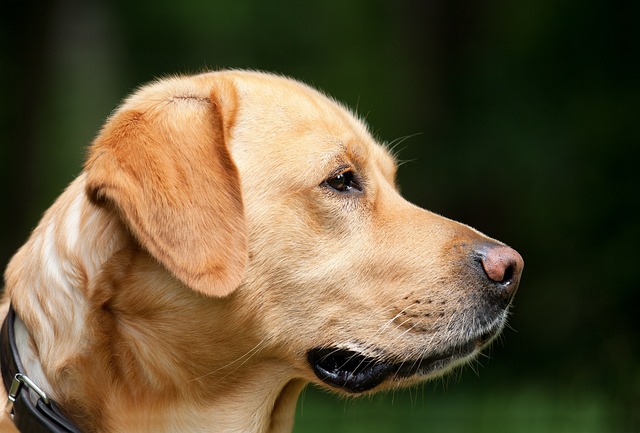
Let’s be real: It’s a sticky August morning in Los Angeles, and you took your 2-year-old Golden Retriever, Max, for a walk a little later than usual
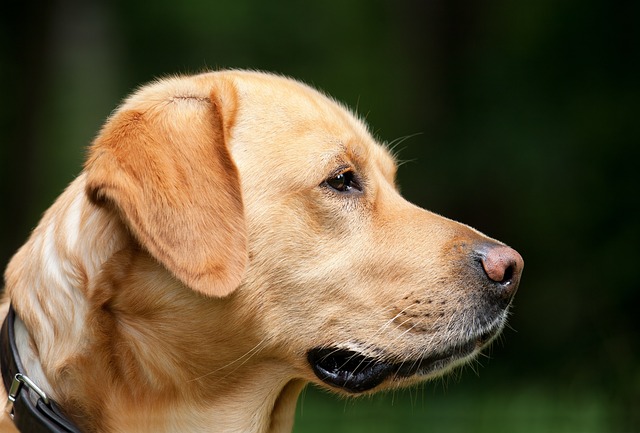
You're enjoying a summer afternoon at the park when you notice your dog has stopped panting and appears disoriented - their gums are bright red
Let’s paint the picture: You’re in your Denver apartment, watching your 4-year-old Boston Terrier, Ruby, plop down mid-play session with her favorite toy

Many dog owners notice their pets nails seem shorter after regular walks,but how much does this daily activity actually help?The answer depends on where you walk—concrete sidewalks or asphalt streets gently file nails as a dog's paws hit the ground
Most dog owners notice their pup scooting across the carpet at some point, but few connect it to impacted anal glands. These small sacs near a dog’s rectum secrete a scent for marking territory
Most vets agree that regular dog teeth cleaning is key to avoiding painful dental issues later. For healthy adult dogs, a professional cleaning at the vet’s office every 12 to 18 months usually works well.